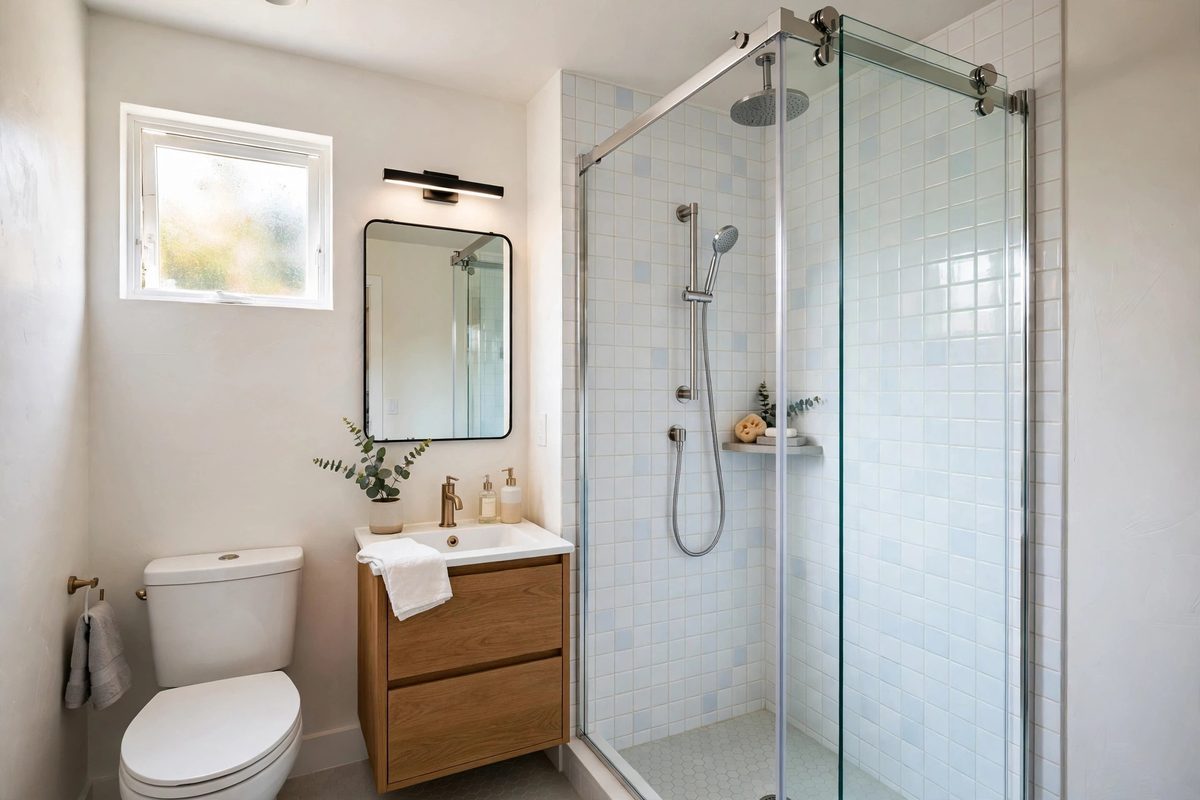
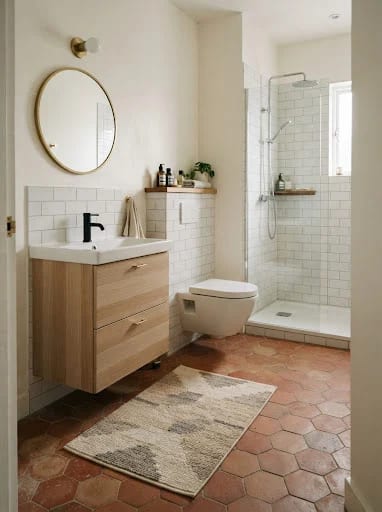
10 Small Bathroom Backsplash Ideas That Add Character Without Adding Clutter
A backsplash can transform a small bathroom without crowding it. These 10 ideas add color, texture, and personality in a compact footprint.
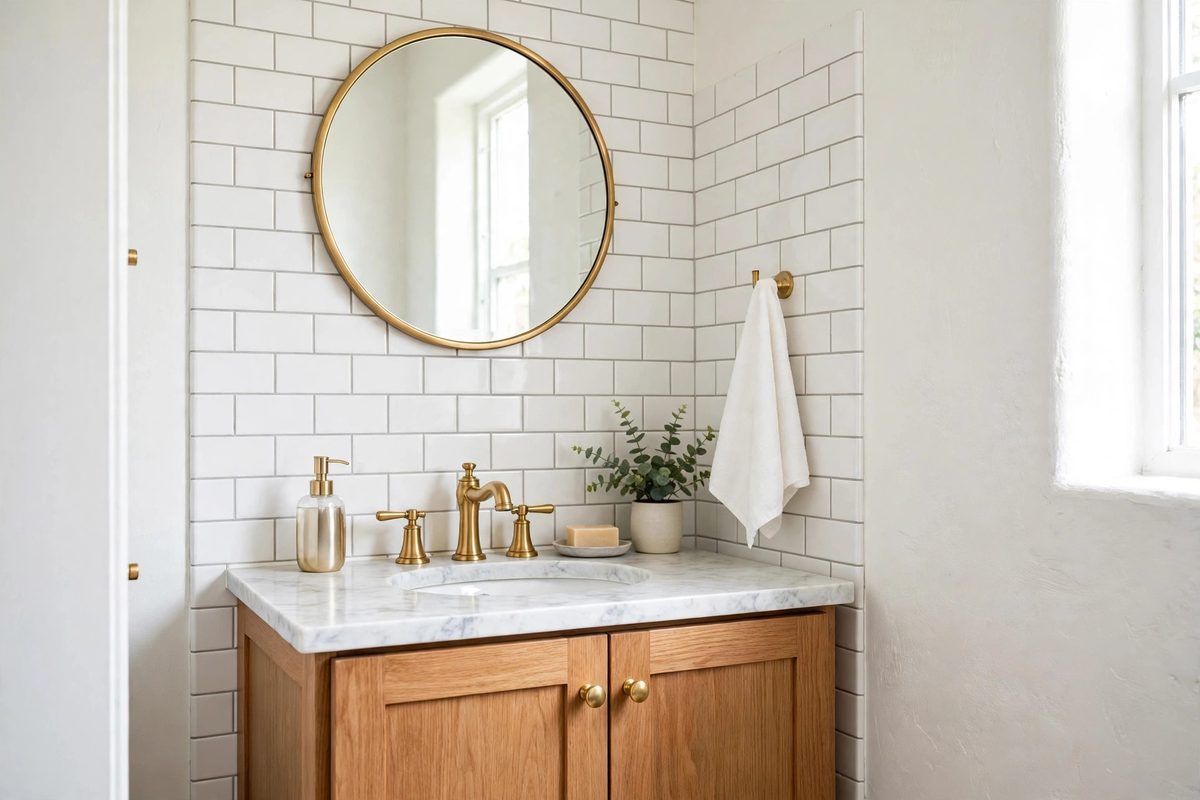
In This Guide
The backsplash is the hardest-working small surface in a bathroom. It protects the wall from water, frames the mirror and vanity, and sets the tone for the whole room, all in a strip that is usually less than 20 square feet. In a small bathroom, that strip matters even more, because it is one of the few places where you can add personality without adding objects.
The rule for small bathrooms is restraint: one material, one pattern, and a color that relates to the rest of the room. A backsplash that fights the tile, the vanity, and the mirror will make the room feel busy no matter how pretty each piece is alone. These 10 ideas each add character in a different way, from classic tile to renter-friendly peel and stick.
Measure your backsplash area before choosing. Most vanity backsplashes are 18 to 24 inches tall and 24 to 60 inches wide, which means a single box of tile often covers the whole job.
1. Subway Tile
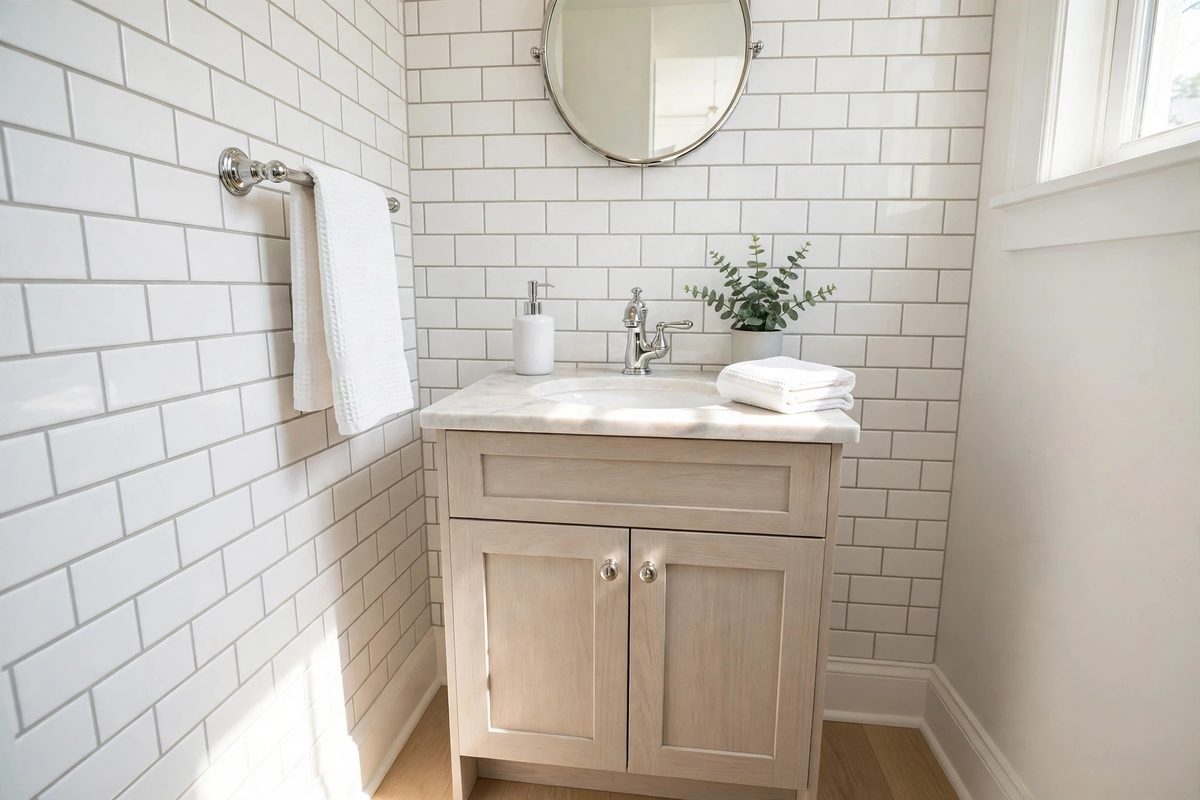
White subway tile is the safest backsplash choice for a small bathroom, and it stays safe for a reason. The 3 by 6 inch format is proportional to a compact vanity, the white surface reflects light, and the horizontal lines make the wall feel wider. A box of subway tile costs $10 to $20, and the whole backsplash usually needs one box plus grout.
Subway tile works with any vanity style, from a modern floating unit to a vintage pedestal sink. It also ages well: a subway backsplash installed today will not look dated in ten years.
How to make it work
Choose a light gray grout instead of white to define the tile pattern without creating a stark grid. Run the tile to the bottom of the mirror or medicine cabinet for a finished edge. If your vanity is under 30 inches wide, a running bond pattern looks better than stacked tile.
2. Peel-and-Stick Tiles
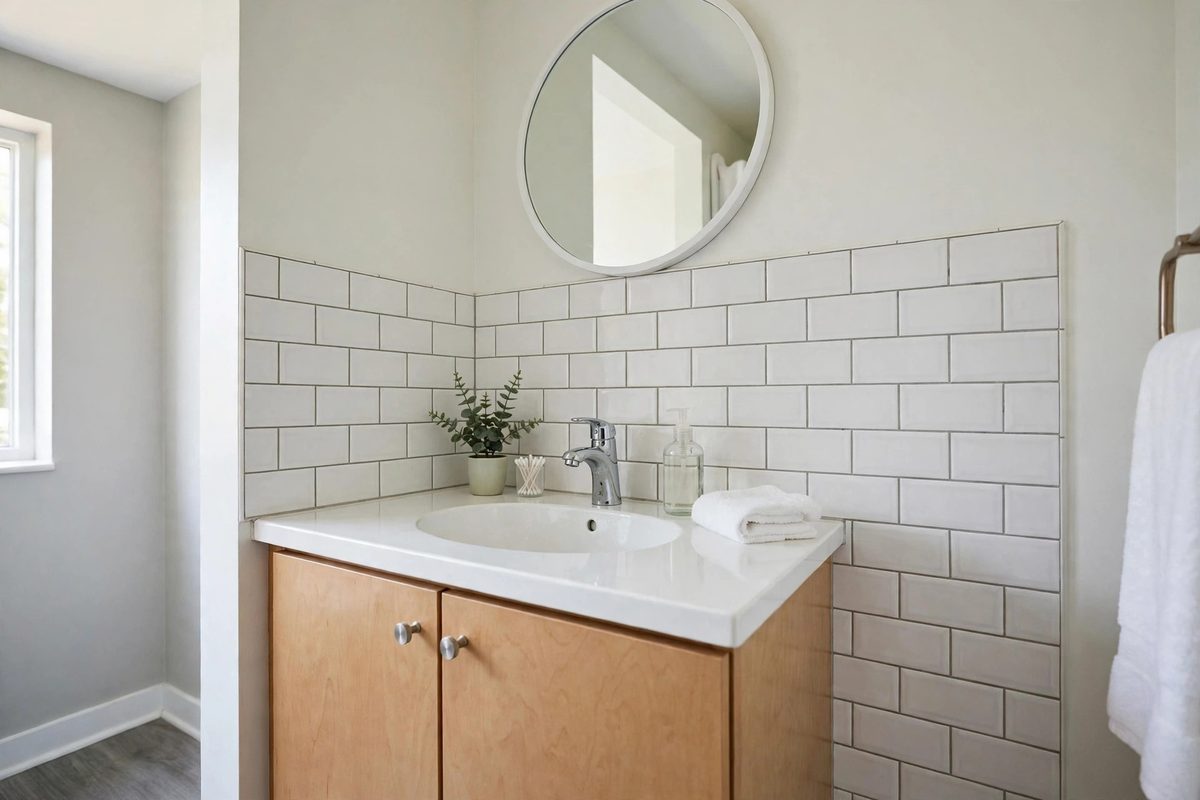
Peel-and-stick tiles are the renter’s backsplash. They apply directly over existing tile or painted drywall, need no grout or tools, and peel off when you move out. A pack covering 10 square feet costs $20 to $35, which usually covers a full vanity backsplash with spare tiles left over.
Modern peel-and-stick tiles look far better than early versions: many mimic subway tile, marble, or mosaic convincingly from a normal viewing distance. They also protect the wall underneath from water damage.
How to make it work
Clean the wall thoroughly with a degreaser and let it dry completely before applying, since adhesion fails on dusty or damp surfaces. Start from the center and work outward so the pattern stays symmetric. Press each tile firmly with a roller or a credit card edge to remove air bubbles. For a matching renter upgrade, see small bathroom over-the-toilet shelf ideas.
3. Mosaic Penny Tile
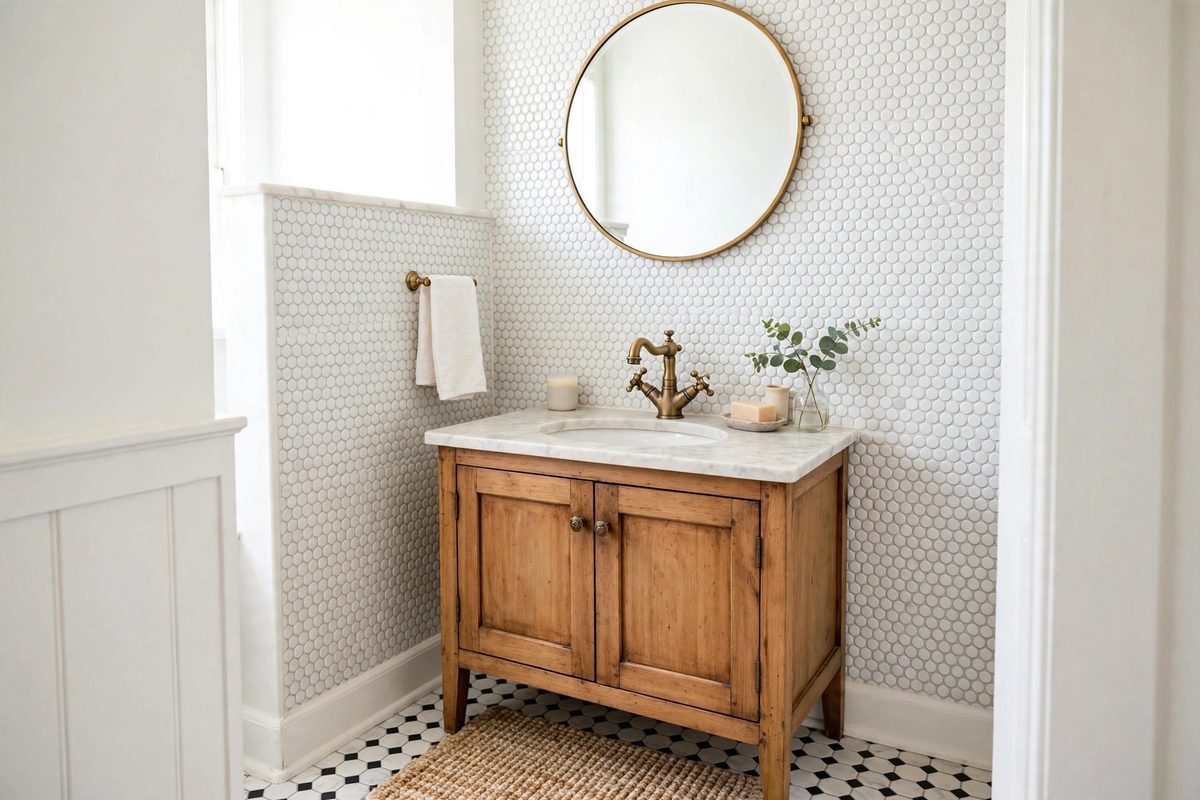
Penny tile, small round tiles mounted on mesh sheets, adds texture and vintage charm to a small bathroom. The round shape softens the straight lines of a vanity and mirror, and the small scale suits compact walls. Penny tile sheets cost $8 to $15 per square foot.
Penny tile works best in one color or a two-tone mix. A busy multi-color penny pattern can overwhelm a small wall, so keep the palette to white and one accent, or a single soft gray.
How to make it work
Use a grout color close to the tile color to keep the pattern subtle, or a contrasting grout to make the penny shape pop. Seal the grout after installation, since the many grout lines in penny tile collect moisture. Cut mesh sheets with a utility knife to fit around outlets and edges.
4. Vertical Stacked Tile
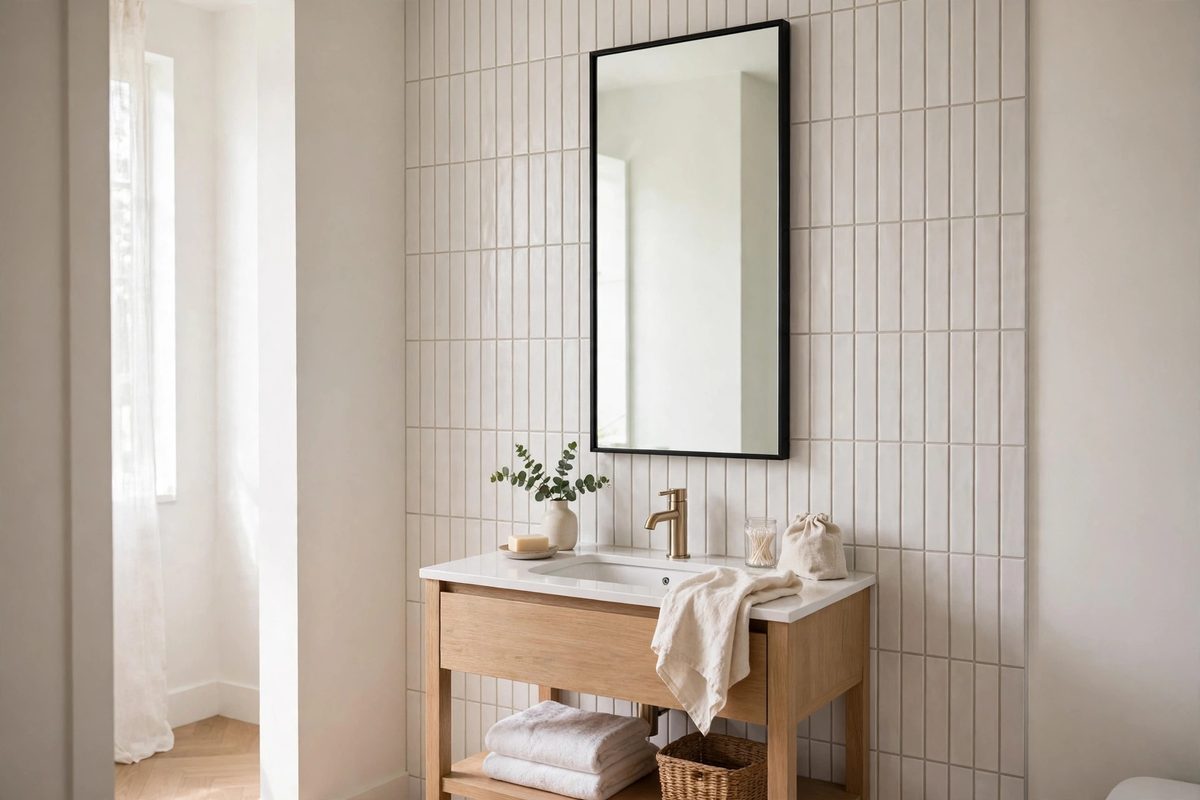
Stacking rectangular tiles vertically instead of horizontally draws the eye upward and makes a small bathroom feel taller. The vertical lines also suit narrow vanities, where horizontal tile can emphasize the room’s narrowness. Use the same 3 by 6 or 2 by 8 inch tiles, just rotated 90 degrees.
Vertical stacking is a subtle change with a noticeable effect, and it costs nothing extra beyond the tile itself. It works especially well in bathrooms with low ceilings, where every inch of perceived height helps.
How to make it work
Use a level on the first column, since a tilted vertical line is more obvious than a tilted horizontal one. Keep grout lines thin, 1/16 to 1/8 inch, for a clean modern look. Pair vertical tile with a tall mirror to reinforce the height effect.
5. Beadboard Panel
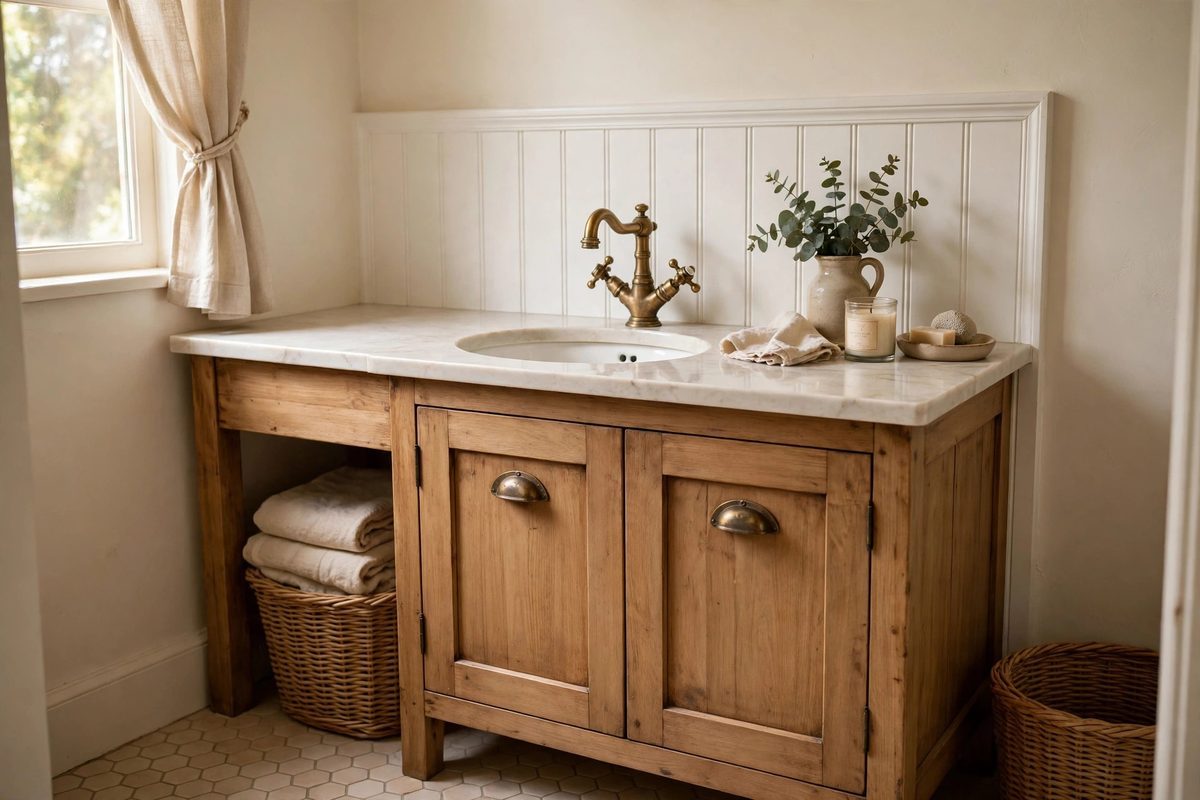
A beadboard panel backsplash adds cottage warmth and texture for a fraction of tile cost. A 4 by 8 foot beadboard panel costs $20 to $30 and covers several backsplashes. Paint it white, soft gray, or a pale color that matches the room, and seal it with a moisture-resistant topcoat.
Beadboard suits bathrooms with a traditional or farmhouse feel, and it is easier to install than tile: cut to size, glue or nail to the wall, caulk the edges, and paint. It also hides imperfect walls better than tile does.
How to make it work
Use PVC beadboard instead of wood in a bathroom with heavy shower steam, since PVC will not warp or rot. Caulk the bottom edge where the panel meets the vanity to stop water from seeping behind it. Paint with a semi-gloss or satin finish for easy wiping.
6. Marble-Look Slab
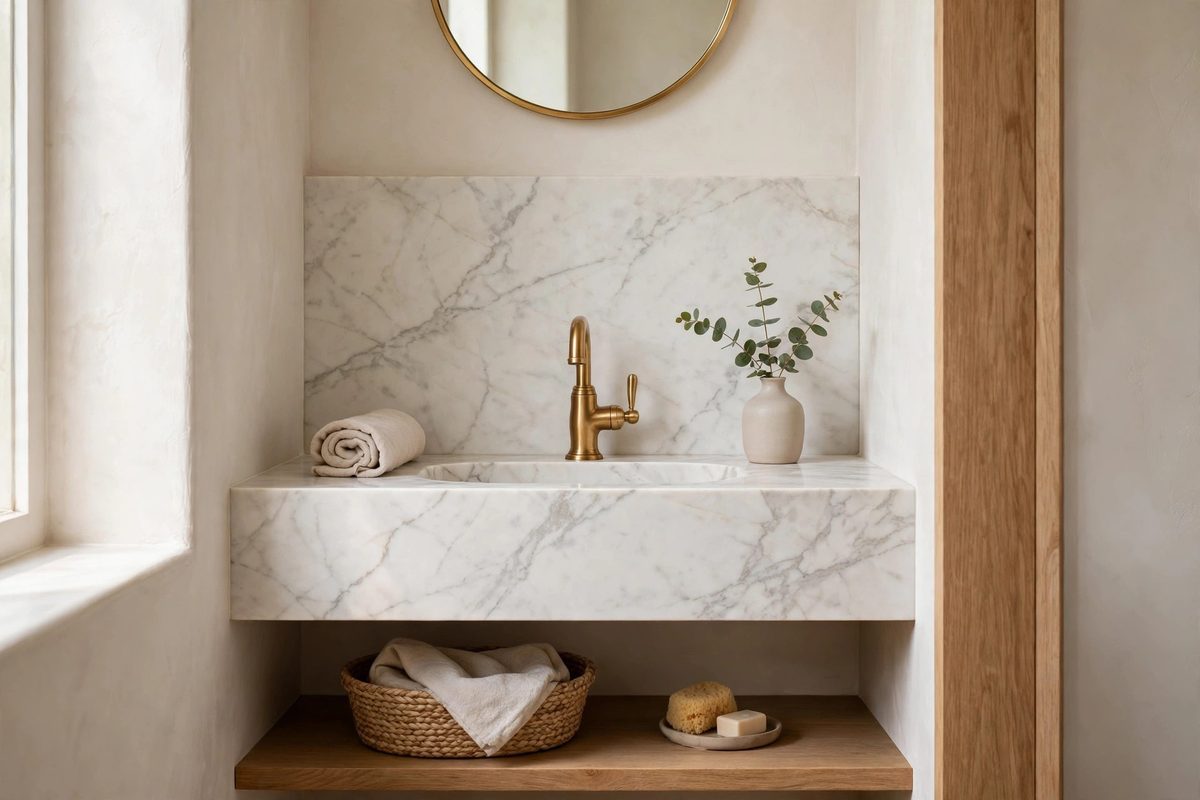
A marble-look slab, either real marble or a porcelain panel printed to mimic it, gives a small bathroom a luxury feel with almost no visual clutter. The large, unbroken surface has no grout lines to break up the wall, so the room feels calmer and more spacious. Porcelain marble-look panels cost $15 to $30 per square foot.
A slab backsplash works best when it matches or complements the vanity countertop. If the counter is already marble-look, run the same material up the wall for a seamless, high-end effect.
How to make it work
Measure carefully and have the slab cut by the supplier if you are not comfortable cutting porcelain. Use a color-matched caulk at the seam between counter and backsplash for a clean joint. Keep the rest of the bathroom simple so the slab stays the star. For a matching layout idea, see narrow living room layout ideas.
7. Bold Patterned Tile
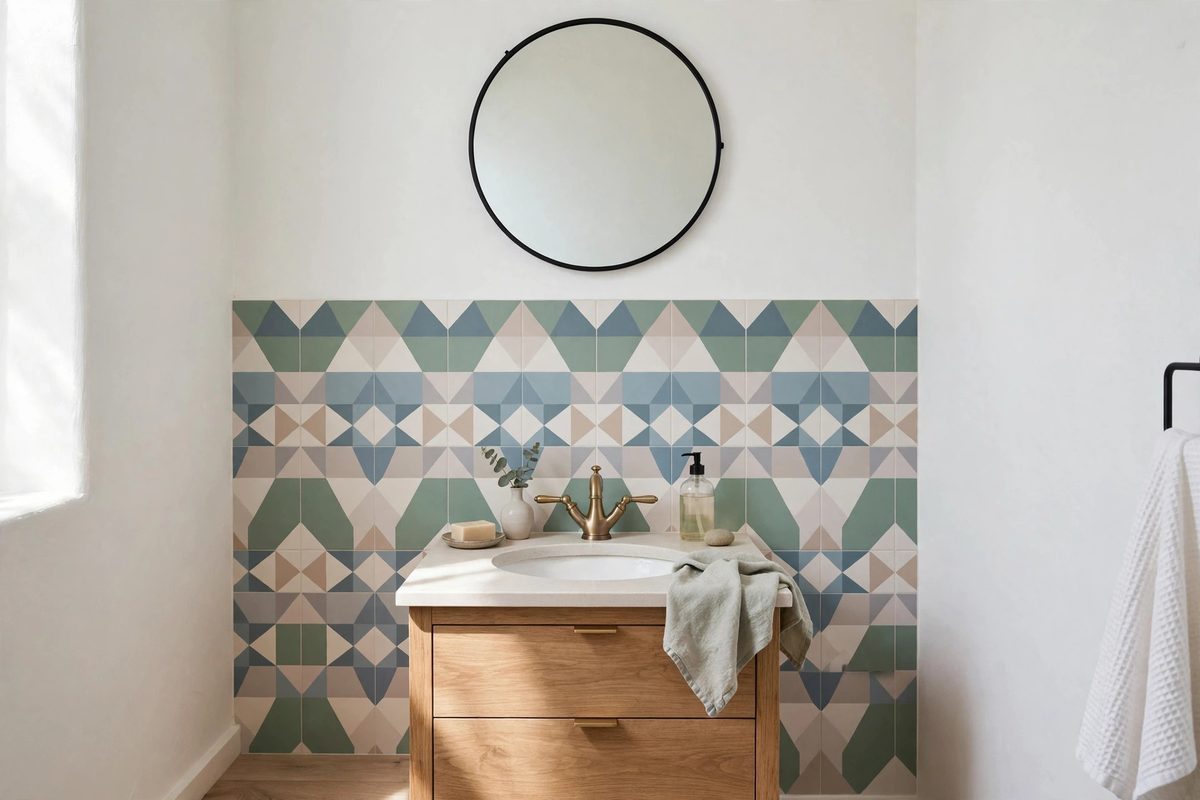
One wall of bold patterned tile is the fastest way to give a small bathroom a personality. Encaustic-look cement tiles or printed porcelain tiles in a geometric or floral pattern turn the vanity wall into a feature. Patterned tile costs $10 to $25 per square foot.
The key is containment: use the pattern on the backsplash only, and keep the rest of the bathroom quiet with plain walls, a simple mirror, and solid towels. A patterned backsplash plus patterned shower tile plus a patterned rug will crowd the room.
How to make it work
Choose a pattern with a light background so the wall does not darken the room. Order 10 percent extra tile for cuts and mistakes. Lay out the pattern on the floor first to plan where full tiles land and where cuts fall.
8. Glass Tile Shimmer
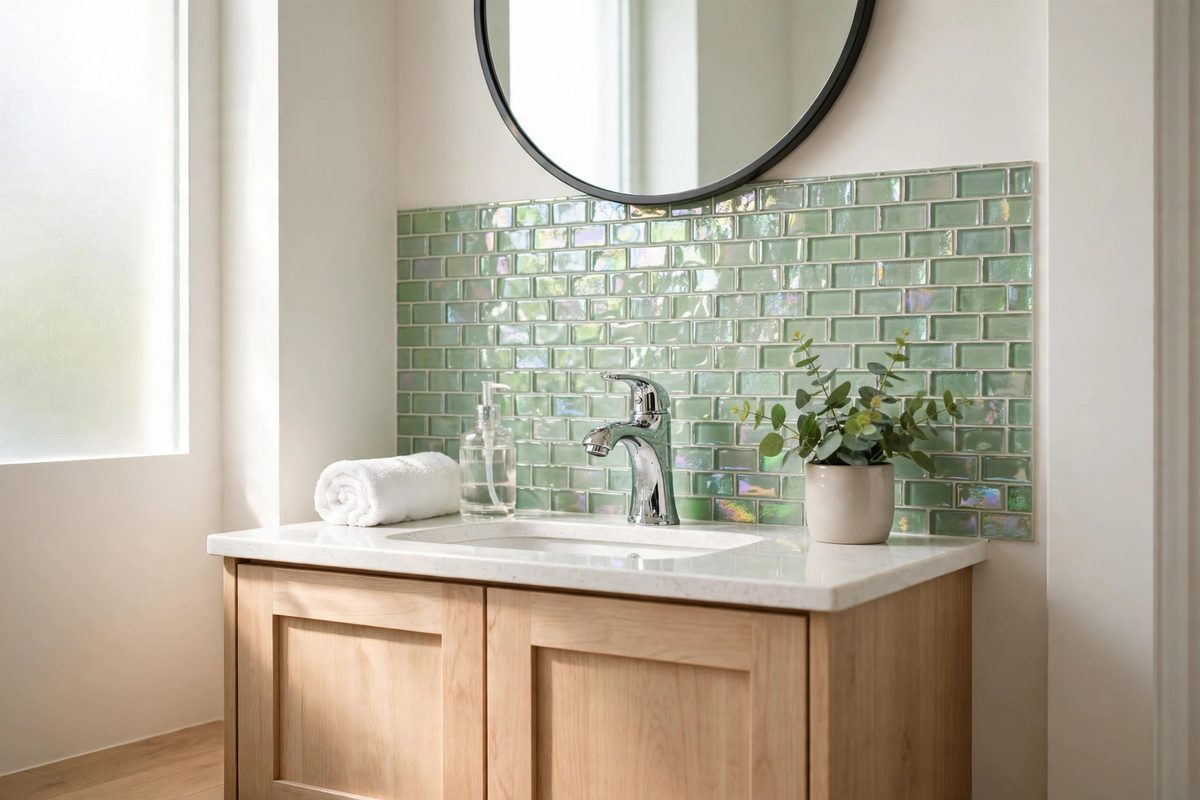
Glass tile reflects light in a way ceramic tile cannot, which makes it ideal for small, dark bathrooms. A glass tile backsplash catches light from the mirror lamp and scatters it across the wall, brightening the whole room. Glass mosaic sheets cost $12 to $20 per square foot.
Glass tile comes in clear, frosted, and iridescent finishes. A soft sea-glass green or pale aqua adds color without weight, while clear glass over a painted wall lets the wall color show through subtly.
How to make it work
Use a white thinset behind glass tile, since gray thinset can show through and dull the color. Seal the grout to protect it from moisture. Keep the tile scale small, 1 by 2 inches or mosaic, so the shimmer reads as texture rather than large reflective panels.
9. Painted Backsplash
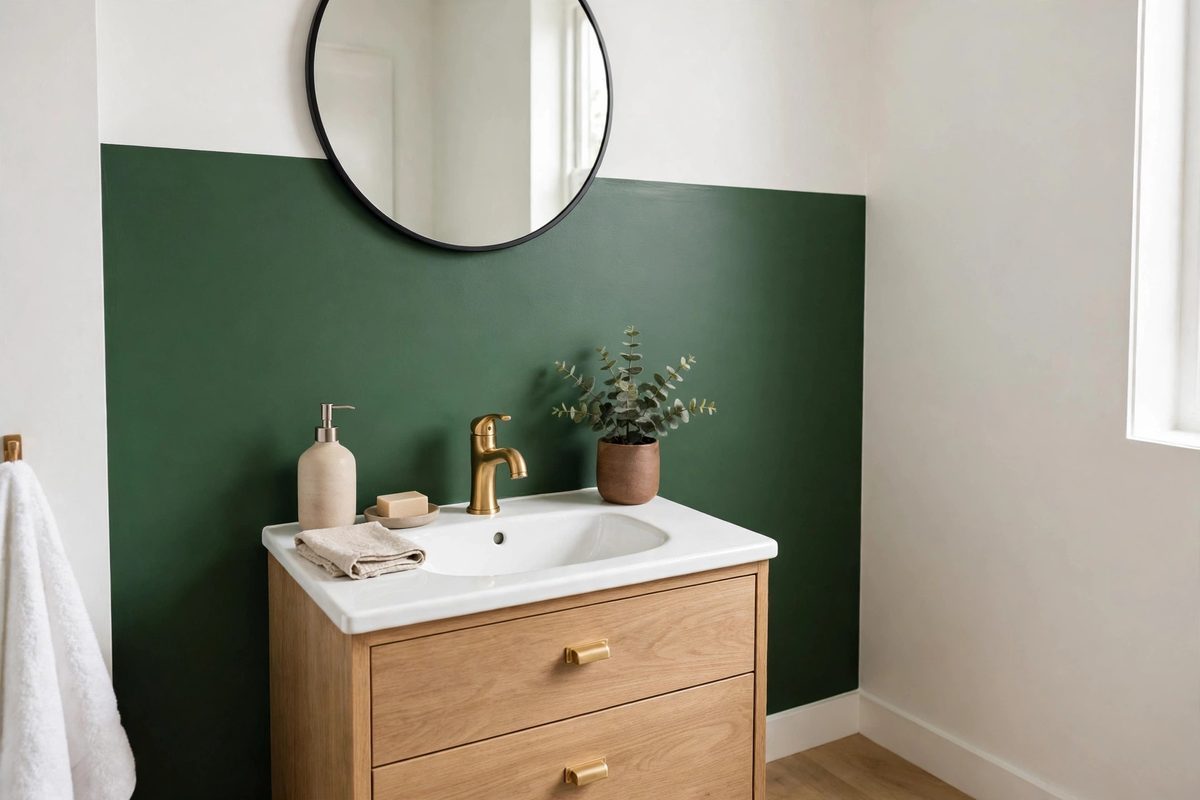
A painted backsplash is the cheapest and fastest option: one quart of moisture-resistant paint costs $15 to $25 and covers the wall in an afternoon. Paint works best when the wall is smooth and the color is bold enough to read as a deliberate choice, like deep green, navy, or charcoal, rather than a leftover wall color.
Paint is also the easiest backsplash to change. If you tire of the color, repainting takes an hour. It suits renters who can paint, and homeowners testing a color before committing to tile.
How to make it work
Use a satin or semi-gloss paint rated for bathrooms, and apply two coats for durability. Add a clear topcoat over the area directly behind the faucet for extra water resistance. Tape a crisp edge where the paint meets the mirror or vanity.
10. Full-Height Tile
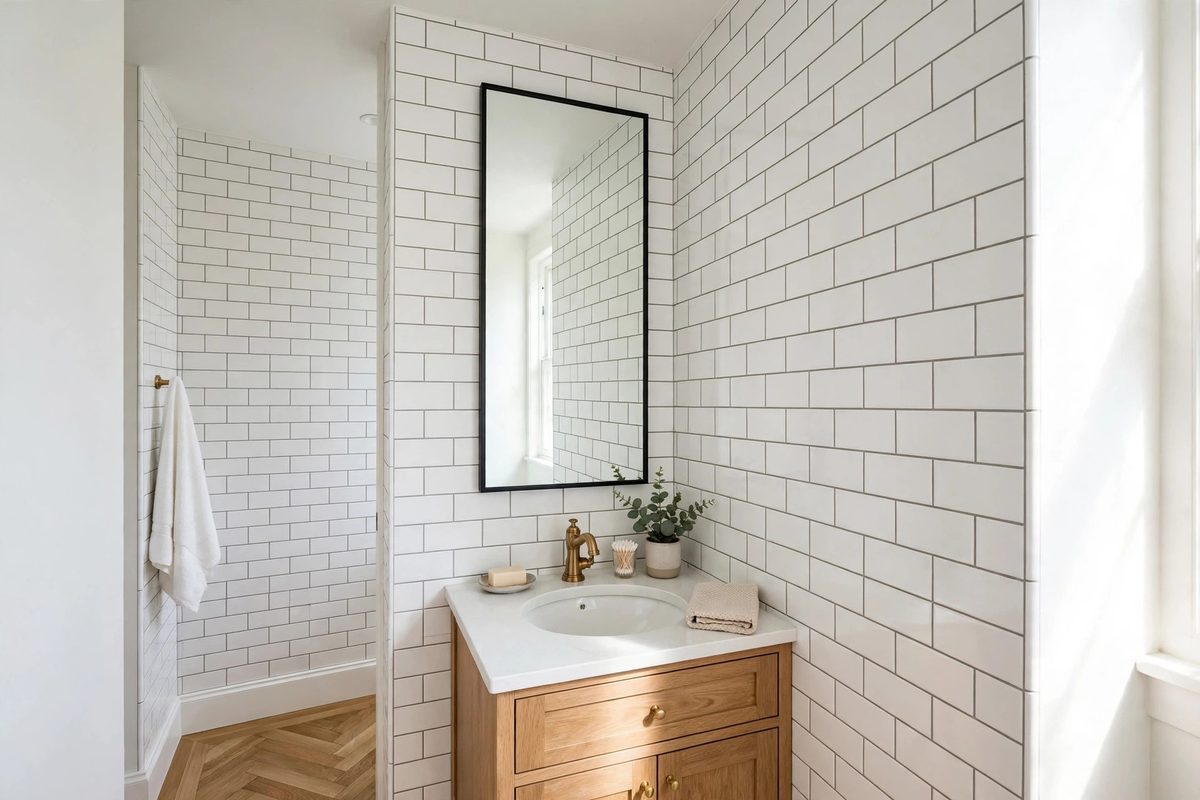
Running tile from the vanity all the way to the ceiling turns the backsplash into a feature wall. Full-height tile makes a small bathroom feel taller and more finished, and it protects the entire wall from water, not just the strip behind the sink. The cost is higher, since you tile 40 to 60 square feet instead of 10, but the impact is proportional.
Full-height tile works best with a calm tile: white subway, soft gray, or a subtle marble-look. A bold pattern at full height can overwhelm a small room, so save patterns for the standard-height strip.
How to make it work
Plan the tile layout so a full tile lands at the ceiling line, not a thin cut sliver. Use a Schluter strip or bullnose tile at the side edges for a finished look. If the wall has a window, tile around it carefully and caulk the window edges.
A backsplash is a small surface with outsized influence. Pick one material that relates to your vanity and mirror, keep the pattern contained, and let the wall do its job: protect the room and give it character without adding a single object to dust. Renters can get a similar result with no tile at all using renter-friendly peel-and-stick backsplash ideas, and the same keep-it-clear rule helps in small kitchen trash can ideas.