7 Small Apartment Guest Bed Ideas That Make Room for Visitors Without a Spare Room
No spare room? Discover 7 compact guest bed ideas for small apartments—from sleeper chairs to daybeds with trundles that save floor space.
In This Guide
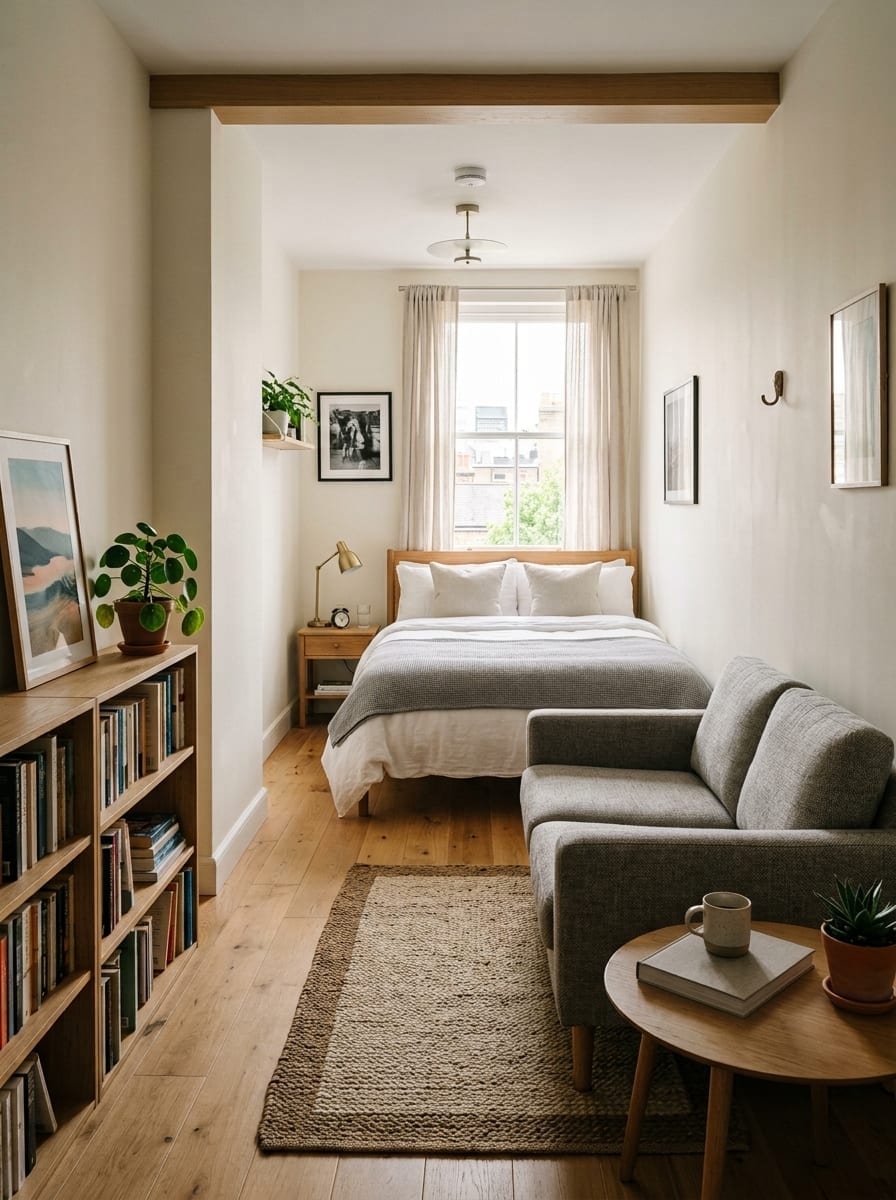
Having overnight guests is lovely until you start wondering where everyone will sleep. In a small apartment, the living room may double as a workspace, the dining area may already be tight, and the bedroom may have little room for an extra mattress.
The best guest bed is not necessarily the smallest one. It is the option that balances sleeping comfort with the available floor space, storage, setup effort, and how often you host visitors.
Some solutions work as everyday furniture, while others can be brought out only when needed. These seven small apartment guest bed ideas explore both approaches, with practical details to help you choose an arrangement that fits your home.
1. The Everyday Sofa Bed
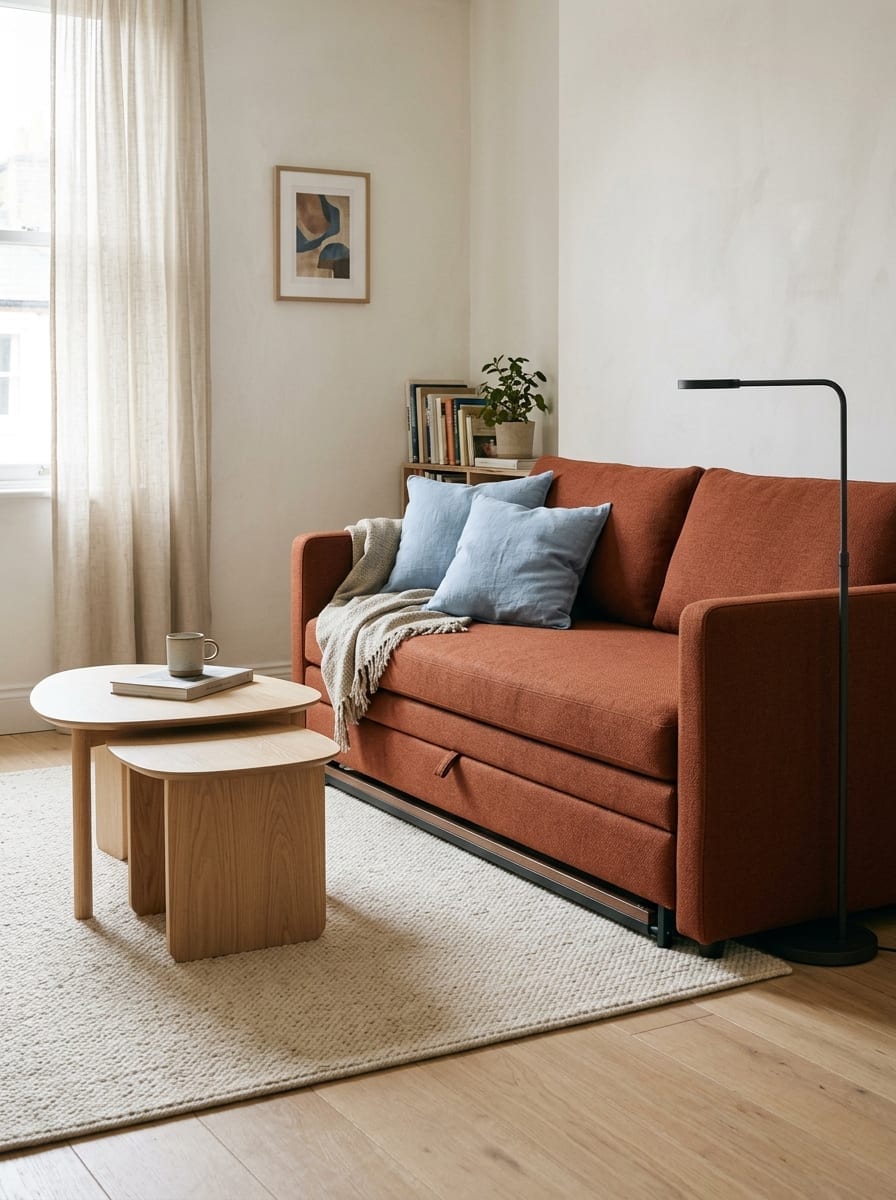
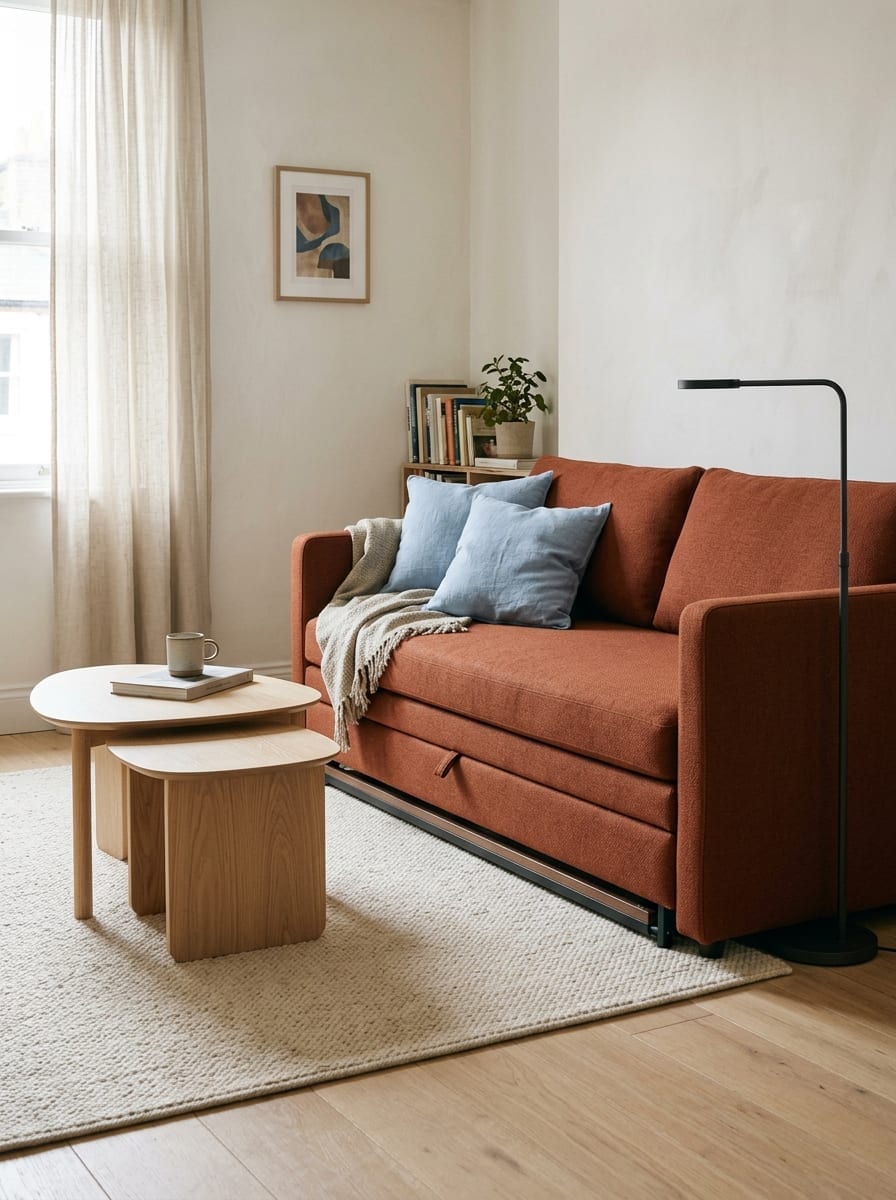
A sofa bed is a practical choice when your living room needs to function as both a lounge and a guest room. During the day, it provides regular seating. At night, it becomes a sleeping surface without requiring you to store a separate bed elsewhere.
Choose the mechanism and sleeping surface carefully. Some sofa beds unfold into a relatively flat mattress, while others use cushions or a pull-out frame. Their comfort can differ considerably, so check the actual sleeping dimensions, mattress construction, and setup process before buying.
A compact sofa bed in rust, muted blue, or olive can also become a deliberate design feature rather than an obvious compromise. Pair it with a small nesting table and lightweight side lighting to keep the living room functional when the bed is closed.
Before purchasing, measure the sofa in both its folded and fully opened positions. Remember to account for walking space and any furniture that needs to move during conversion.
Best for: Apartments where guests visit regularly and the living room already needs a sofa.
Small-space tip: Look for a model whose opened bed does not block the main route through the room. A sofa that fits against the wall may still create a difficult layout when extended.
2. The Daybed With a Hidden Trundle
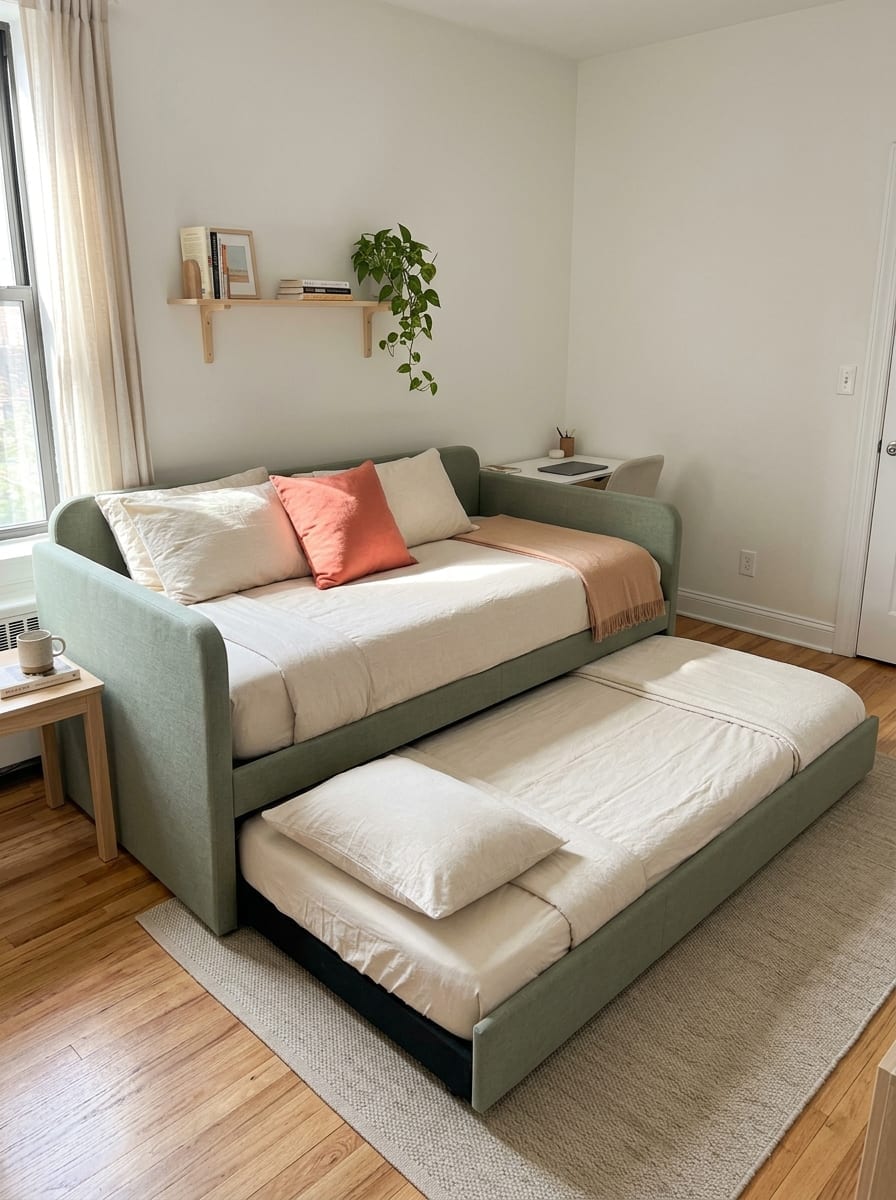
A daybed can function as a sofa, reading spot, or occasional lounging area during the day. A pull-out trundle underneath adds a second sleeping surface when visitors arrive.
This arrangement is especially useful if you sometimes host two guests but do not have space for two permanent beds. Keep the daybed styled with a few cushions and a coordinated throw, then store the bedding separately so the area can transition quickly.
For a colorful scheme, try a sage-green daybed with warm-white bedding and a coral accent cushion. Alternatively, a deep-blue frame with soft lavender textiles can make the furniture feel more like a designed part of the room.
The main consideration is the space required to pull out the trundle. Check the floor clearance, the height and thickness of both mattresses, and whether the lower bed will sit comfortably beneath the main frame.
Best for: Homes that can accommodate a daybed every day and occasionally need two separate sleeping surfaces.
Small-space tip: Measure the fully extended trundle footprint, not just the daybed itself. Ensure it will not collide with a desk, wardrobe, door, or the apartment’s main walkway.
3. The Single Sleeper Chair
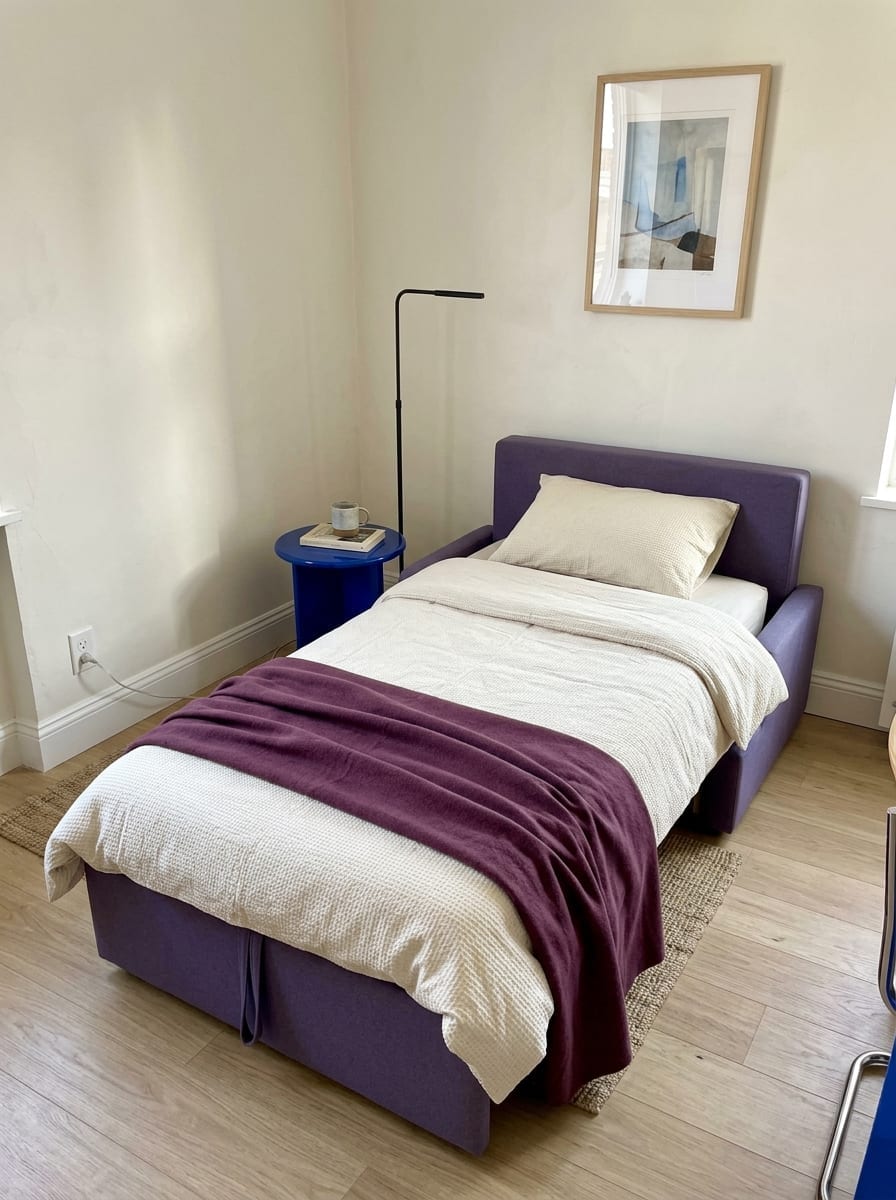
When you usually host one person at a time, a sleeper chair can be more practical than a full sofa bed. It occupies a relatively small footprint as a chair and converts into a single sleeping surface when required.
Place it beside a compact bookcase or floor lamp to create a useful reading corner between visits. Choose a model that complements the rest of the living room rather than looking like temporary furniture.
A lavender sleeper chair with cream upholstery details can bring color into a neutral room. For a bolder look, try a muted mustard or deep teal chair against warm-white walls and pale wood.
Comfort is the key consideration. The usable sleeping length, width, support, and firmness vary between designs, so check the unfolded dimensions and suitability for the intended guest. A compact chair may be fine for a child or a short overnight stay but may not provide enough room for every adult.
Best for: Studio apartments and small living rooms that usually accommodate one overnight guest.
Small-space tip: Measure the chair in its sleeping configuration and check whether it will obstruct the door, closet, or route to the bathroom.
4. The Foldaway Rollaway Bed
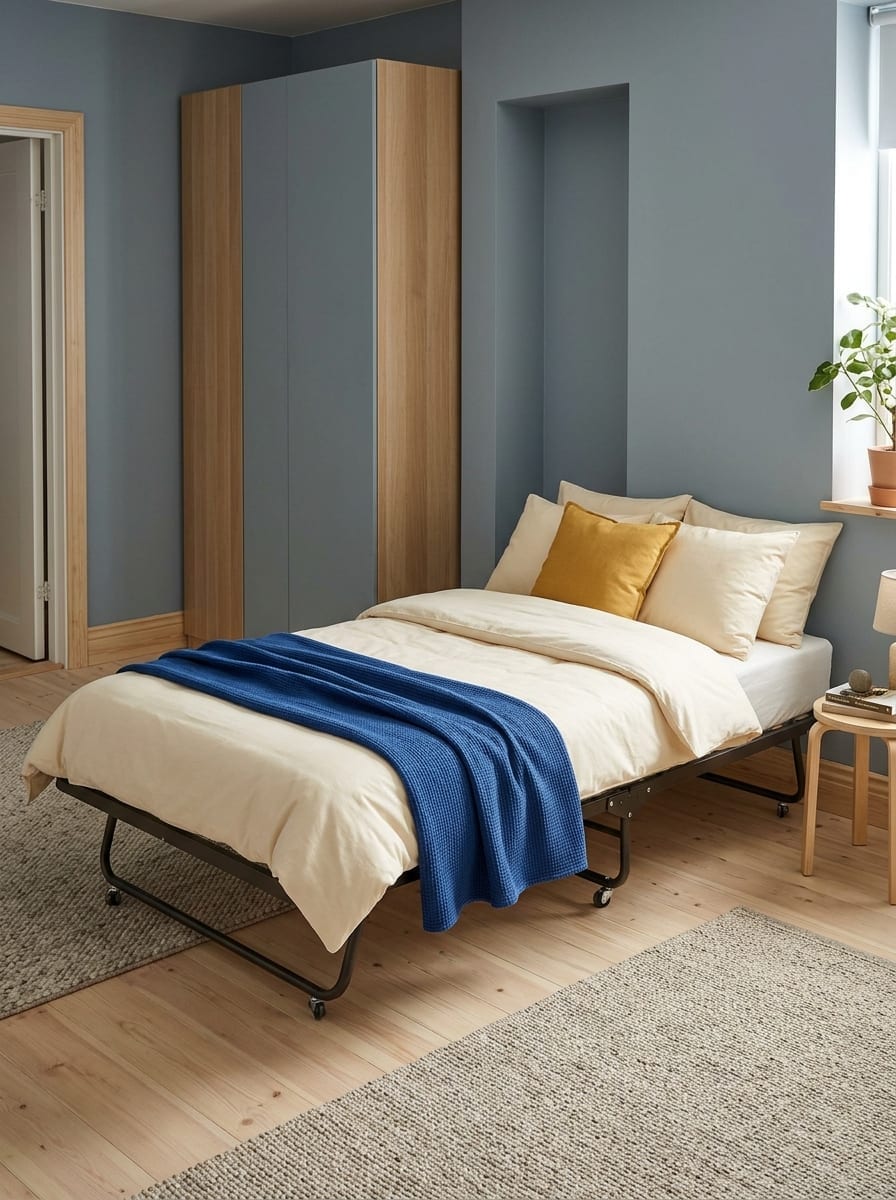
A folding rollaway bed offers a more bed-like sleeping surface than some convertible chairs while allowing the entire frame to be stored when it is not needed.
Depending on the design, the bed may fold in half and roll into a closet, utility area, or another designated storage spot. This can work well for people who host occasionally and prefer not to leave guest furniture visible every day.
The important measurement is the folded frame, including its thickness and wheels. A bed that appears compact in a product photograph may still be too wide for a narrow closet or too heavy to move comfortably.
For a room with a cool, modern palette, pair the foldaway bed’s simple frame with warm-cream bedding and a cobalt-blue throw. Keep a compact bedside lamp and a small tray available for guests, then store them away when the bed is folded.
Best for: Occasional visitors when you have a suitable place to store a folded frame.
Small-space tip: Confirm that the storage route includes enough clearance through doorways and around corners. Check the manufacturer’s folding, locking, and weight-limit instructions, and never use the bed unless it is secured as directed.
5. The Tri-Fold Mattress Storage System
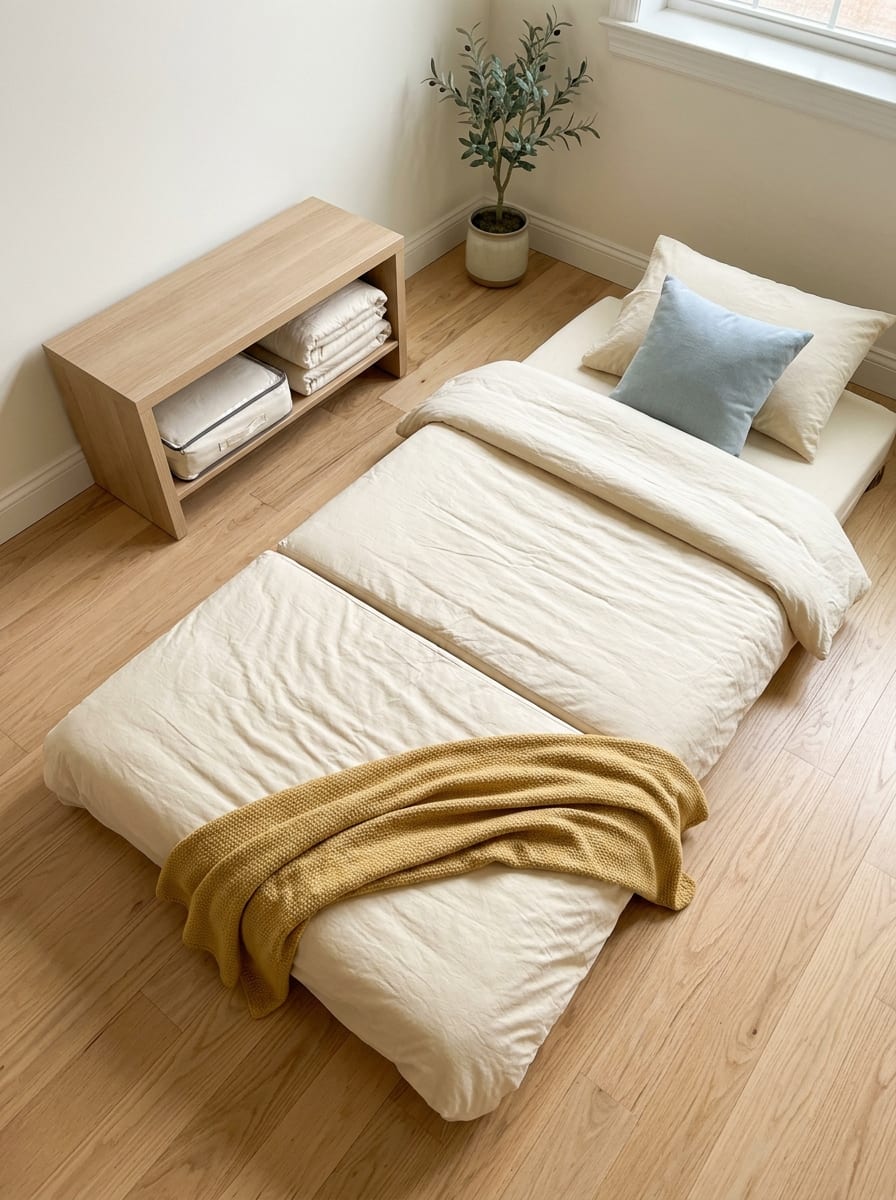
A tri-fold mattress is a flexible option when you want to avoid buying a large convertible furniture piece. It folds into sections, making it easier to store than many traditional mattresses.
When guests arrive, unfold it on a clean, flat surface with sufficient clearance around it. When the visit ends, let the mattress air out as recommended by the manufacturer before folding and storing it.
Storage can be part of the design rather than an afterthought. A deep storage bench, a suitable closet shelf, or a dedicated cupboard may hold the folded mattress and bedding. Make sure the storage space accommodates the mattress’s actual folded dimensions rather than relying on its advertised thickness alone.
For a cheerful guest setup, choose a mattress with a neutral cover, then add mustard bedding, a pale-blue cushion, and a lightweight bedside tray. If the mattress is stored visibly, use a suitable protective cover and keep the surrounding storage area tidy.
Best for: Infrequent guests and apartments where a permanent bed would take up too much space.
Small-space tip: Check the mattress’s thickness, sleeping dimensions, support, and floor suitability. Not every folding mattress is appropriate for every guest or for extended use. Follow the manufacturer’s care and ventilation instructions.
6. The Space-Saving Wall Bed
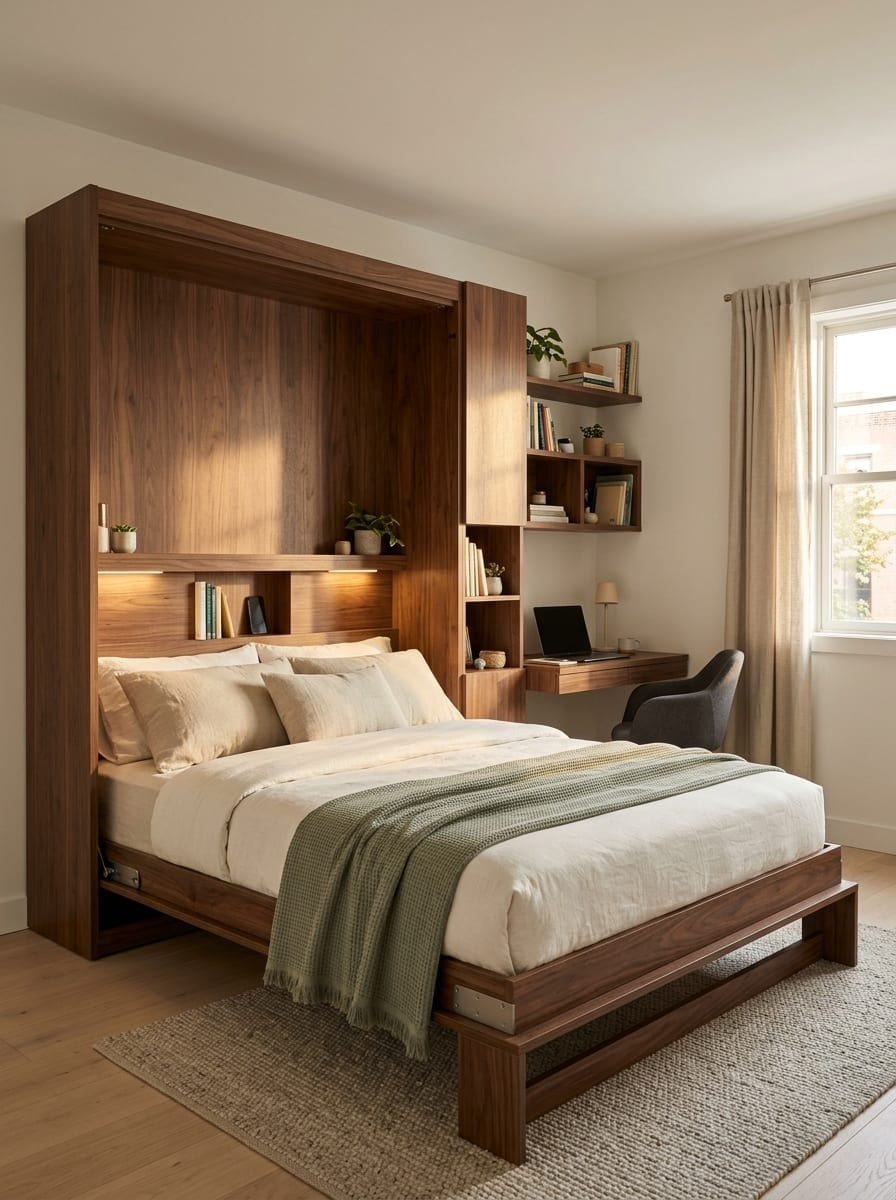
A wall bed, sometimes called a Murphy bed, folds vertically or horizontally into a cabinet when not in use. It can free up substantial floor space during the day, making it useful in a room that needs to function as a home office, living area, or guest room.
Unlike a temporary floor mattress, a wall bed can provide a more permanent and integrated sleeping solution. Some designs also incorporate shelving or cabinets, although additional cabinetry increases the overall footprint and cost.
Measure the wall and the complete bed’s open position before considering installation. The bed must have enough clearance to unfold safely, and the wall, mounting system, and surrounding structure must be suitable for the product.
In a compact multifunctional room, a walnut-finish wall-bed cabinet with muted sage accents and warm-white bedding can blend into the interior rather than making the room feel like a bedroom all day.
Best for: Frequent hosting in a room that must serve another purpose most of the time.
Small-space tip: This option usually involves more expense and installation planning than a folding mattress. Renters should obtain the necessary permission, and installation should follow the manufacturer’s structural and safety requirements.
7. The Low-Profile Floor Guest Setup
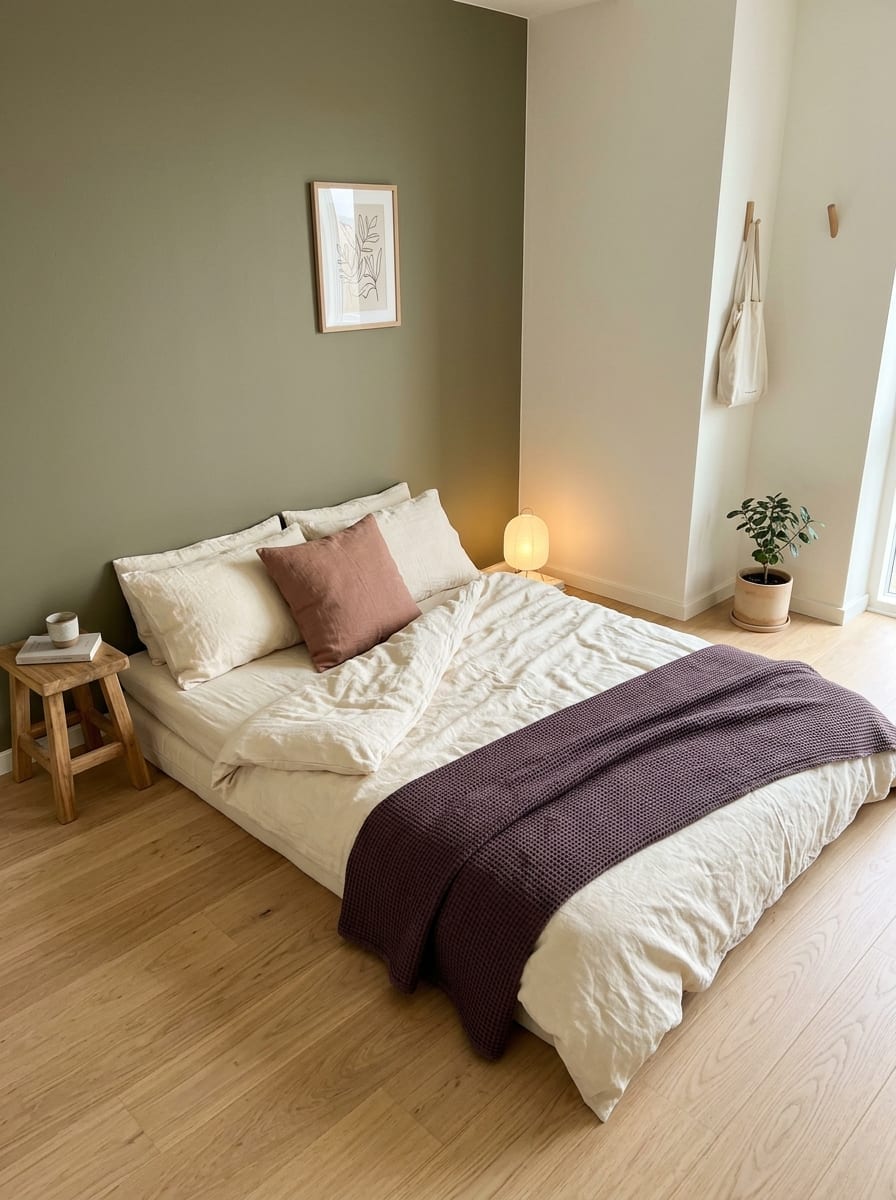
A floor mattress creates a sleeping space only when you need one, with no permanent bed frame to accommodate. It can be useful in a studio, a compact living room, or an apartment where storage furniture already occupies much of the available floor area.
To make the setup feel intentional, use a properly sized mattress or folding sleeping pad, coordinated bedding, and one compact bedside surface. A deep-plum throw, warm-cream sheets, and a small natural-wood stool can create a distinctive guest corner without adding bulky furniture.
Choose the sleeping surface based on the intended guest and duration of the stay. A thin pad may be easy to store but may not offer sufficient support for every adult. Make sure the floor is clean, dry, and level, and keep the sleeping area away from doors and main walking routes.
Ventilation matters, too. Follow the manufacturer’s instructions for airing and storing the mattress, especially after use on a floor where airflow underneath may be limited.
Best for: Occasional overnight guests when you can temporarily clear a suitable floor area.
Small-space tip: Decide where the bedding will live before guests arrive. A floor mattress only saves space when it can be stored neatly and kept dry between uses.
How to Choose the Right Guest Bed for Your Apartment
The best option depends on how often you host, who stays overnight, and what your apartment can accommodate.
If you host frequently
Consider a sofa bed, daybed, or properly installed wall bed. These solutions keep a sleeping option available without requiring you to retrieve and set up a separate mattress each time.
If you host only occasionally
A tri-fold mattress, folding rollaway bed, or floor sleeping setup may be more practical. These options avoid dedicating permanent floor space to a bed, provided you have somewhere suitable to store them.
If you usually host one person
A sleeper chair may be enough, particularly in a studio or living room with limited floor area. Confirm that the sleeping surface is long and wide enough for your intended guest.
If you sometimes host two people
A daybed with a trundle may work well if the room has enough clearance for both sleeping surfaces. A sofa bed can also work for two guests if its stated sleeping dimensions and weight limits are suitable.
If your room is also a home office
Think about what happens to the desk, chair, and storage when the bed opens. A wall bed or a stored folding mattress may be more practical than a sofa bed if the main priority is keeping the room open during the day.
Measurements to Check Before Buying
Measure the available space before choosing a guest bed. Product dimensions alone do not tell you whether the bed will work in your layout.
Check these five measurements:
- Everyday footprint: How much floor space does the furniture occupy when it is closed or folded?
- Sleeping footprint: How far does it extend when fully opened, including any pull-out sections?
- Walking clearance: Can guests move around the bed without blocking doors, wardrobes, or access to the bathroom?
- Storage dimensions: If the bed folds away, will it fit through doorways and into the intended closet or storage area?
- Sleeping surface: Is the usable mattress length, width, support, and firmness appropriate for the person using it?
Do not rely on a universal clearance number for every room. The practical layout depends on the bed’s dimensions, door swings, furniture placement, and the route people need to use.
Make a Temporary Guest Area Feel Welcoming
A bed is only one part of a comfortable guest setup. A few thoughtful details can make a multipurpose room feel prepared without requiring permanent furniture.
- Prepare bedding in advance: Keep sheets, pillows, and an extra blanket together in a labeled storage bag or drawer.
- Provide a small landing spot: A nesting table, sturdy stool, or clear shelf gives guests somewhere to place a phone, glasses, or a book.
- Offer accessible lighting: A suitable lamp or accessible room light is more useful than decorative lighting alone.
- Make storage available: Clear a drawer, a shelf, or a small section of a closet if guests are staying for more than one night.
- Protect the walking route: Keep cords, loose bedding, and stored furniture away from doorways and the route to the bathroom.
- Consider privacy: In a studio, a curtain or appropriately positioned freestanding screen may help separate the sleeping area, provided it does not obstruct ventilation, exits, or circulation.
These details are especially useful when the guest bed shares space with a living room, dining area, or home office.
Common Guest Bed Mistakes to Avoid
- Buying before measuring: A bed can fit in its everyday configuration but block the room when unfolded. Check both states before purchasing.
- Choosing storage over comfort alone: A mattress that folds into a tiny package may not suit every guest. Consider who will sleep on it and for how long.
- Forgetting where the bed will go afterward: A folding option is only practical if the stored dimensions suit your actual closet or storage space.
- Ignoring setup effort: Some convertible furniture is heavy or requires several steps to open. Consider whether one person can set it up safely and comfortably.
- Leaving no route around the bed: Avoid layouts that block the door, wardrobe, or access to essential parts of the room.
- Treating temporary sleeping furniture as permanent without checking: Follow the product’s instructions for intended use, weight limits, mattress care, and storage.
Conclusion
You do not need a spare bedroom to host overnight guests comfortably. A sofa bed can double as everyday seating, a daybed with a trundle can accommodate two sleepers, and a folding mattress can create a temporary bed without permanently taking over your living space.
Start with your hosting habits, measure the full sleeping footprint, and decide where the bed will be stored when it is not in use. Then choose the solution that fits your layout and your guests’ comfort needs.
The best small apartment guest bed is the one that makes visitors feel welcome while allowing your home to work just as well the rest of the time.