Dreamy Small Bedroom Ideas That Feel Calm, Cozy and Grown-Up
Discover 17 dreamy small bedroom ideas using soft lighting, layered bedding, warm neutrals, natural wood and simple styling to create a calm, cozy space without clutter.
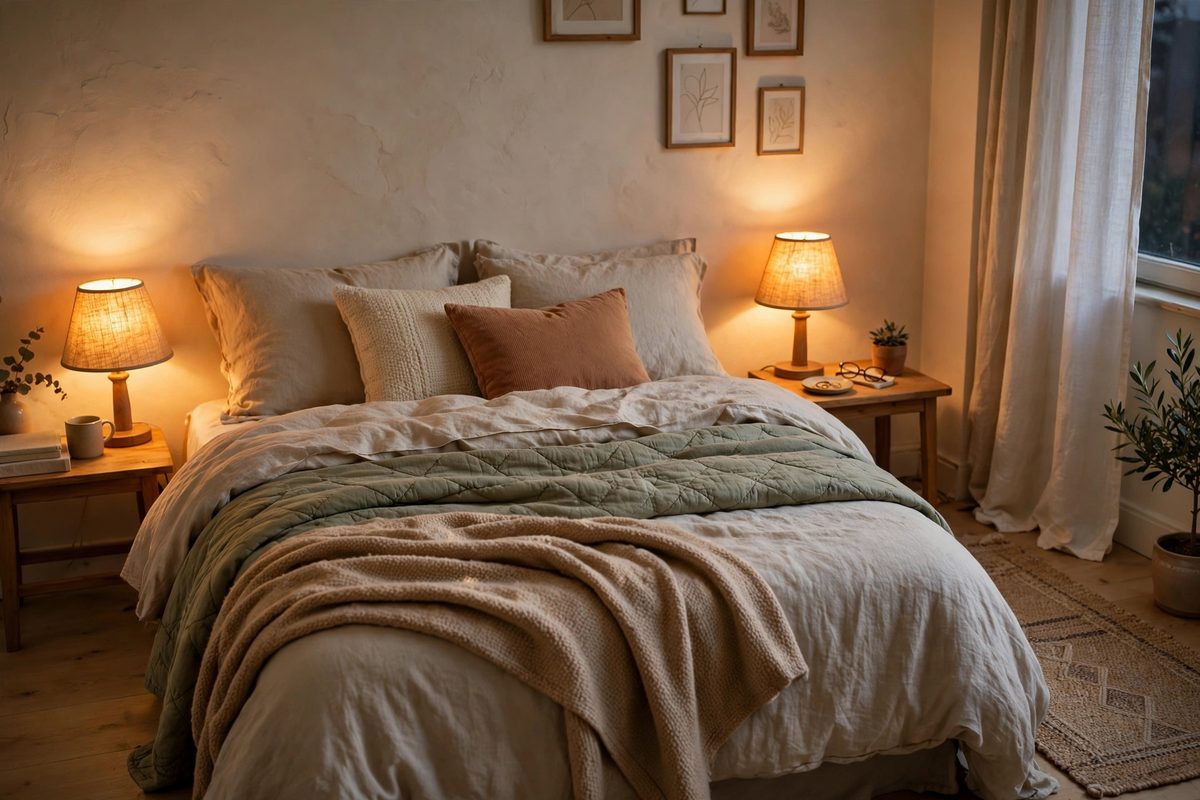
Calm dreamy small bedroom with soft layered neutral bedding, warm bedside lighting, and airy curtains
In This Guide
A dreamy bedroom does not have to mean fairy lights, piles of decorative pillows, or an overly romantic theme.
Some of the most beautiful bedrooms feel dreamy because they are quiet.
The colors are soft. The lighting is warm. The bed looks comfortable without looking overstyled. There is enough texture to make the room feel inviting, but enough empty space to keep it calm.
That balance matters even more in a small bedroom.
When the room is compact, every extra object becomes more noticeable. Too much decor can turn a relaxing bedroom into another visually busy space.
The goal is to create a room that feels like somewhere you genuinely want to slow down at the end of the day.
These 17 ideas are designed to make a small bedroom feel softer, calmer, and more atmospheric without losing practicality.
1. Soft Layered Neutral Bedding
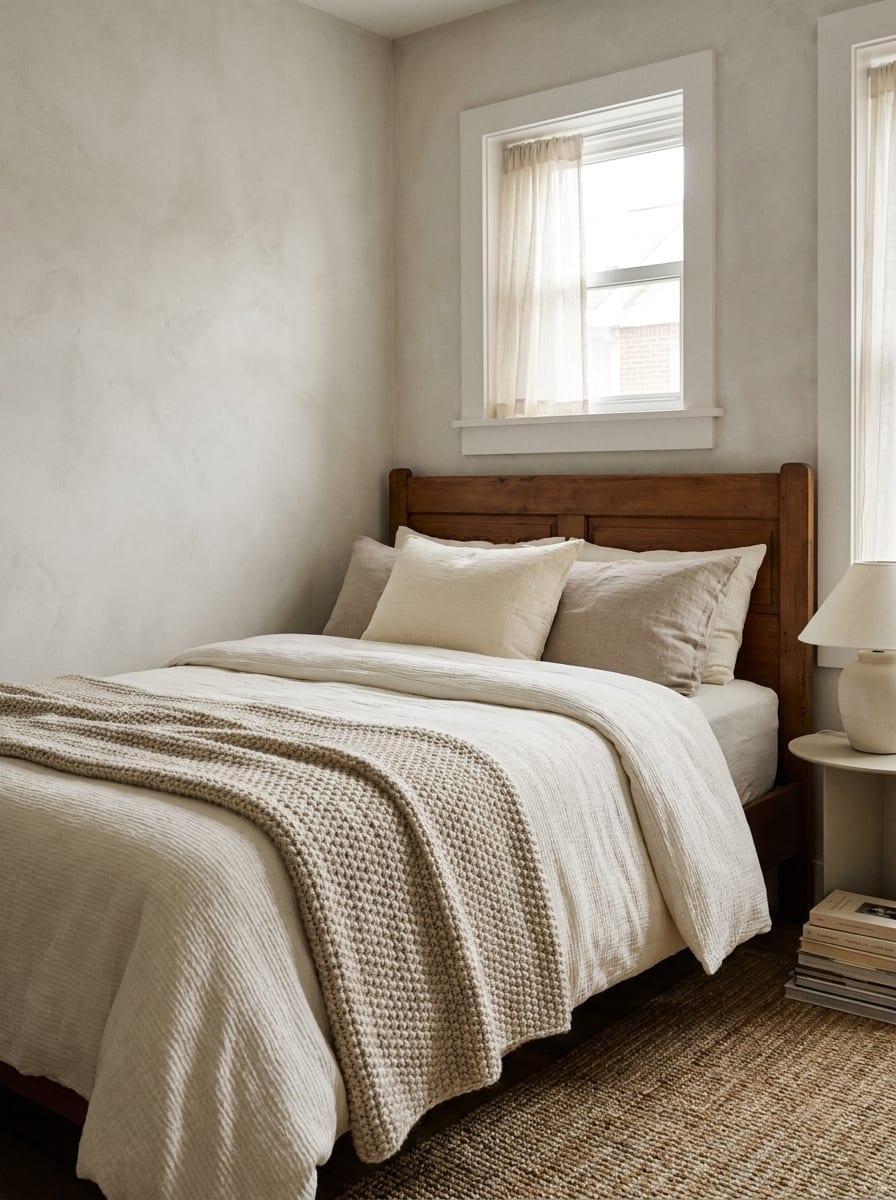
The bed is usually the largest visual surface in a small bedroom, so it sets the mood for the whole room.
You do not need a complicated pile of bedding.
A better approach is to layer a few soft materials in related tones.
For example:
warm white sheets oatmeal duvet quilted coverlet one textured throw two or three pillows
The variation in texture creates depth without needing lots of color or pattern.
Keep the bed looking relaxed rather than perfectly arranged. Slightly natural folds often feel more inviting than hotel-tight styling.
2. Warm Bedside Lighting
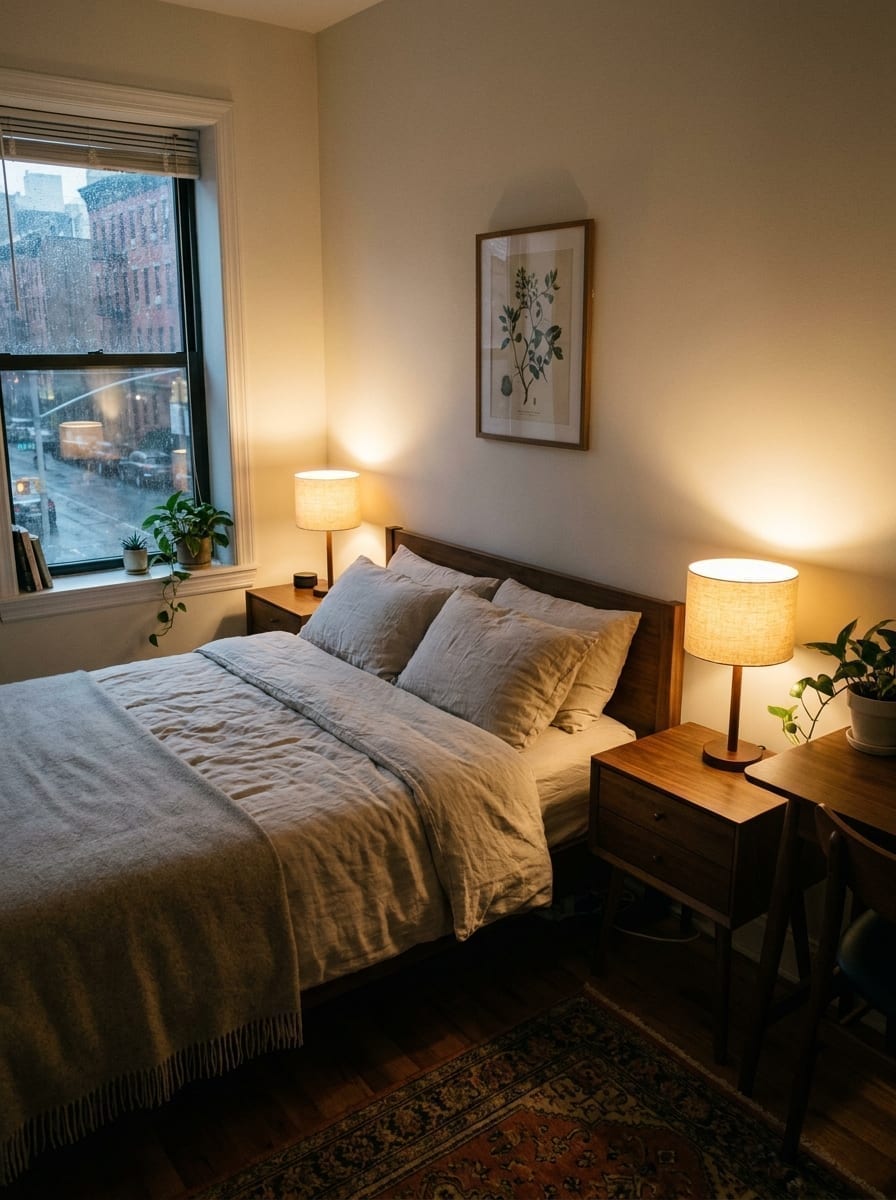
Lighting is one of the biggest differences between a bedroom that feels ordinary and one that feels atmospheric.
Harsh ceiling lights flatten the room.
A bedside lamp creates a smaller, warmer pool of light that makes the space feel more intimate.
In a compact bedroom, one lamp may be enough. If the room allows it, matching lights on both sides can create balance.
Choose warm bulbs and simple shades that diffuse the light gently.
The goal is not darkness.
It is softness.
3. Floor-to-Ceiling Curtain Softness
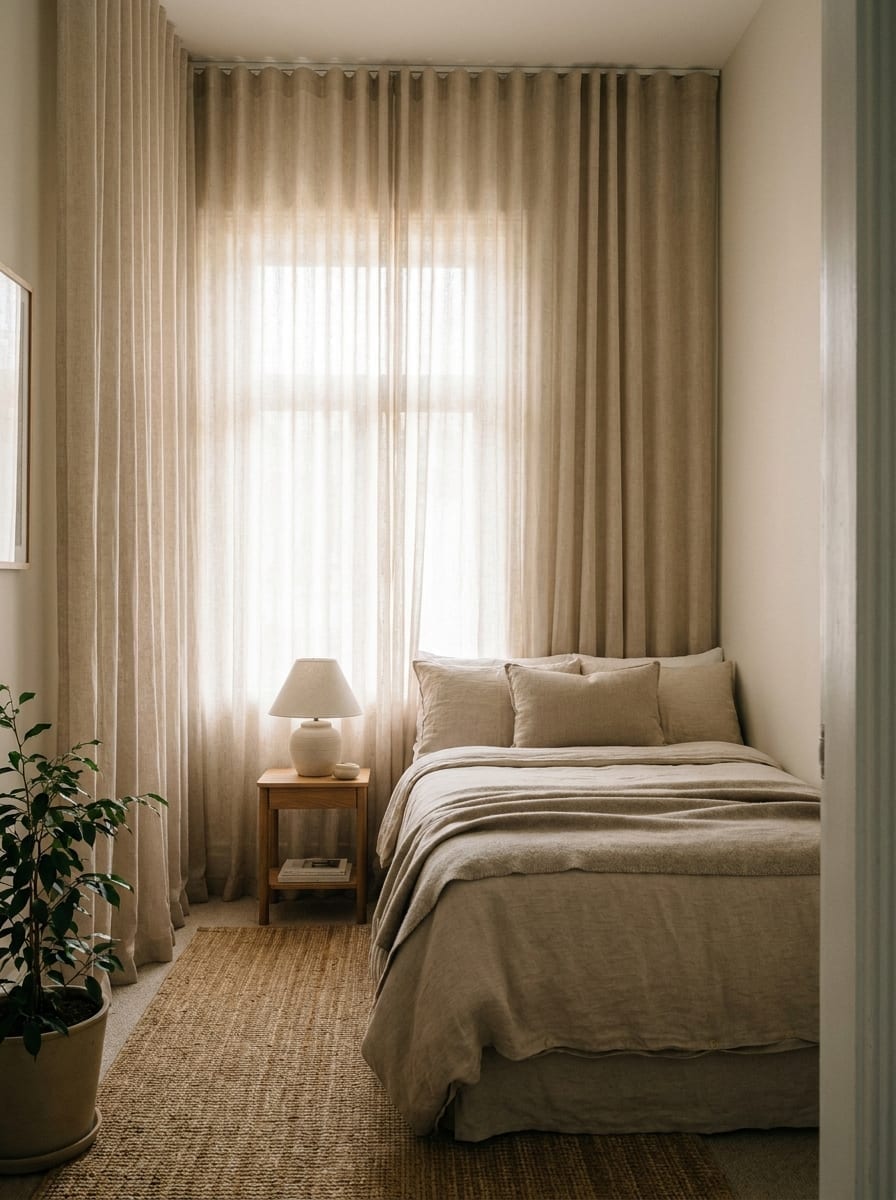
Curtains add something a small bedroom often lacks: softness on a large vertical surface.
Short curtains can make windows feel smaller.
Long curtains hung closer to the ceiling help the eye travel upward and can make the room feel taller.
Choose fabric that moves softly.
Warm white, oatmeal, pale taupe, muted mushroom, or soft greige work especially well for a dreamy bedroom.
Avoid very heavy fabric unless you genuinely need strong blackout coverage.
You want softness without visual weight.
4. One Statement Headboard
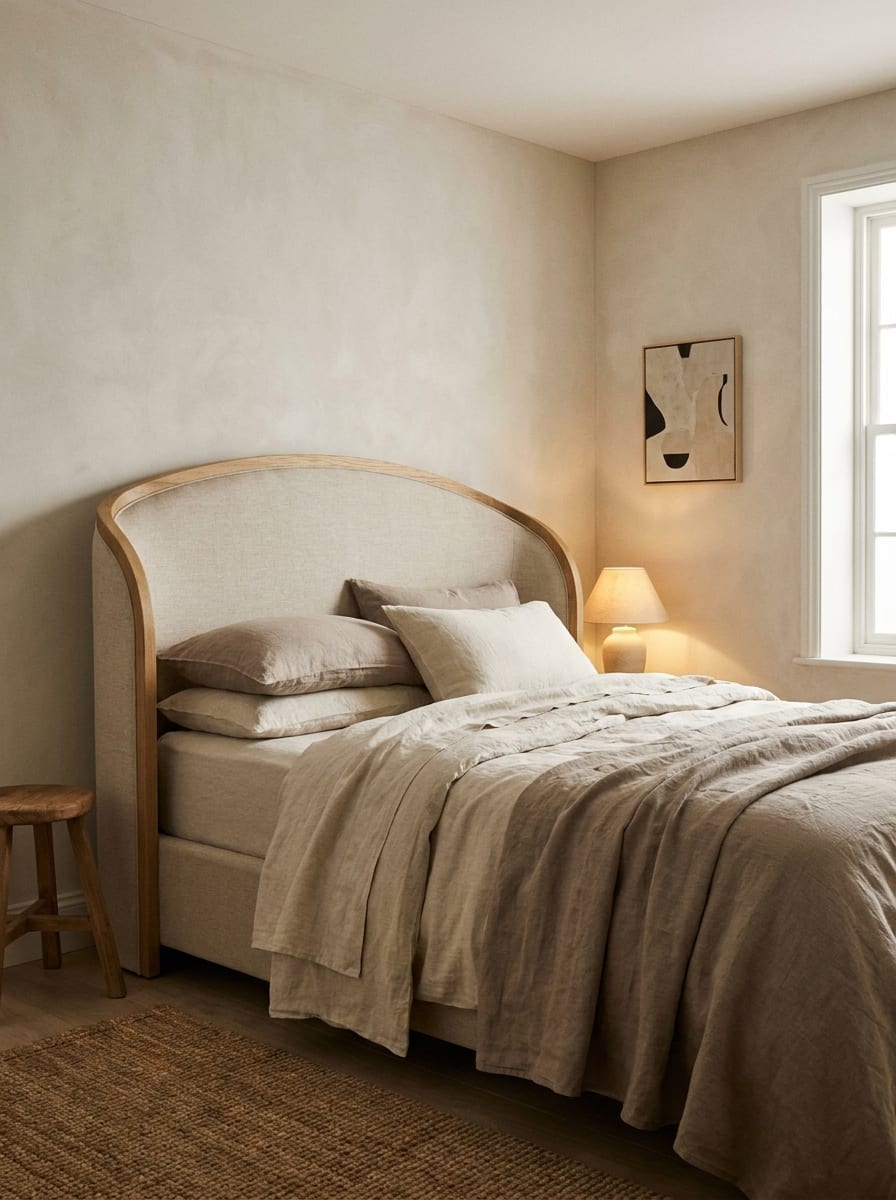
A dreamy bedroom still benefits from one clear focal point.
In a small room, the headboard is often the easiest place to create it.
Choose something with texture rather than excessive decoration.
Good options include:
upholstered headboard light wood panel headboard simple curved shape soft boucle linen-covered design
The headboard should visually anchor the bed without overwhelming the wall.
That lets the rest of the room stay relatively simple.
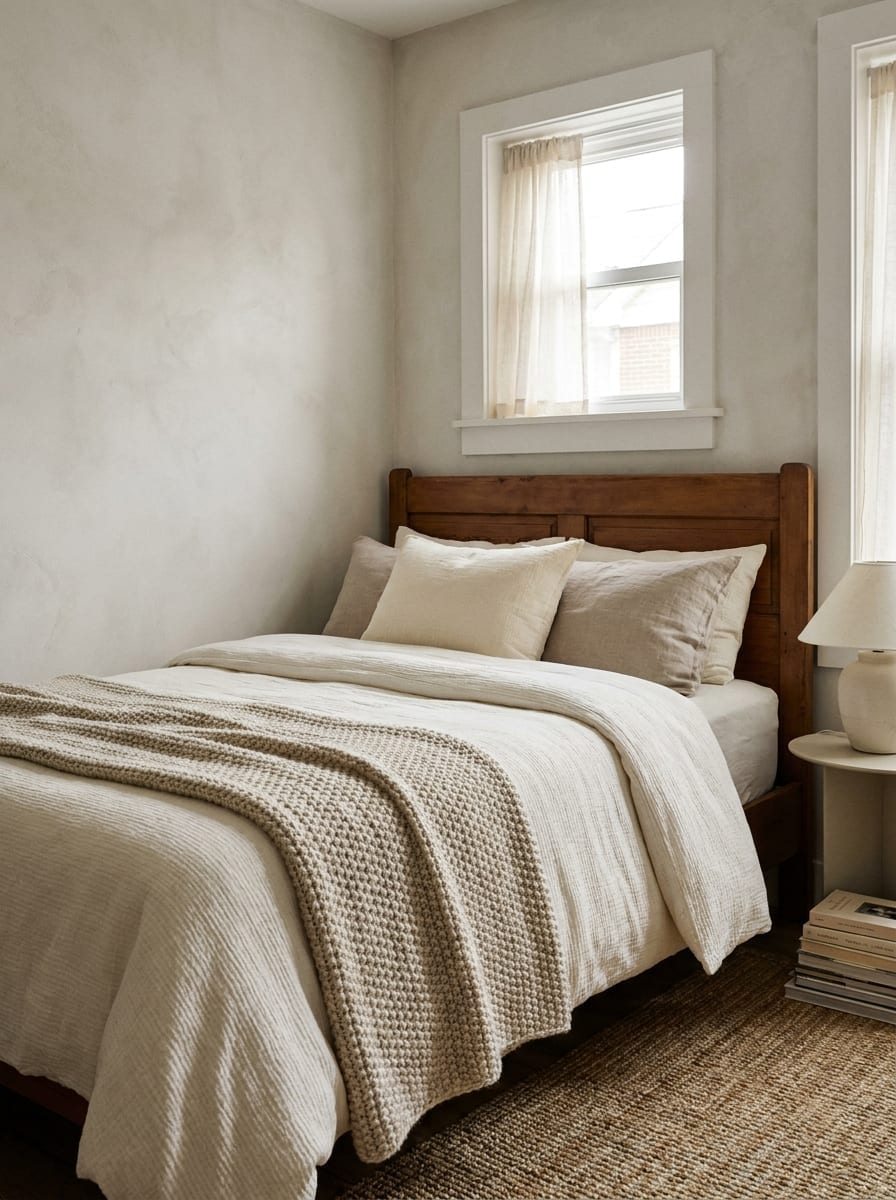
5. Tonal Bedding With Gentle Contrast
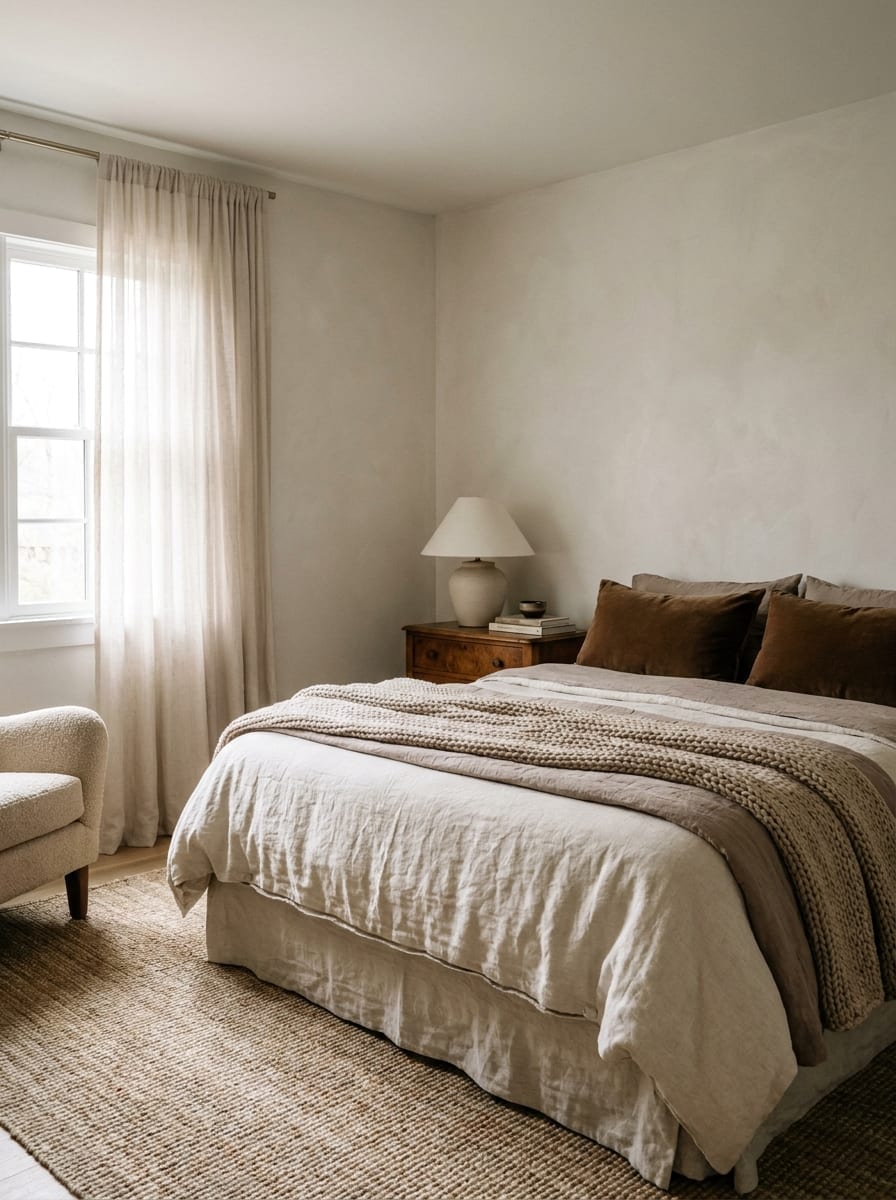
A dreamy room does not need a lot of different colors.
Sometimes the strongest look comes from using several versions of the same tone.
For example:
cream + beige + mushroom
or:
warm white + pale gray-beige + taupe
Add one slightly darker element so the bed does not disappear into the room.
That could be:
darker throw accent pillow wood headboard bedside lamp framed art
This creates depth while preserving the calm feeling.
6. Floating Nightstands for More Breathing Room
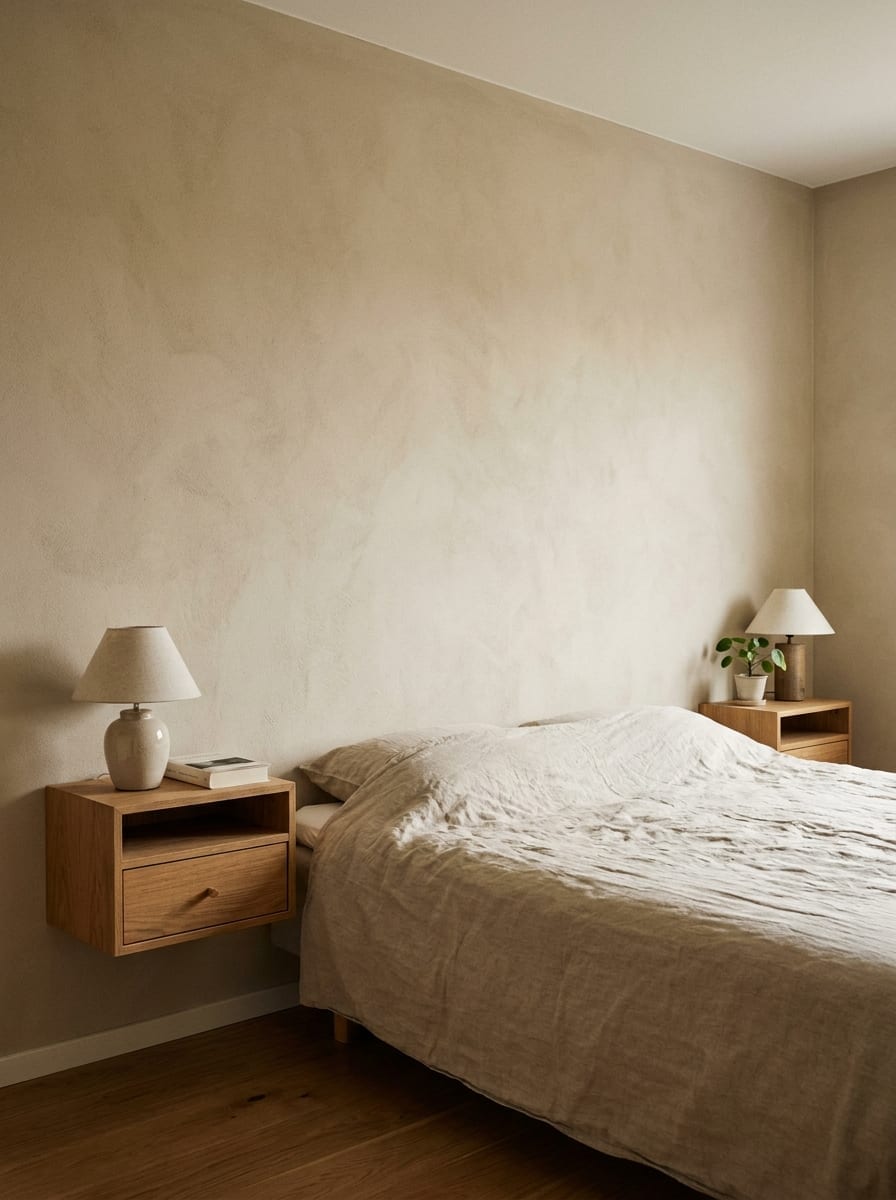
A bulky nightstand can make a narrow bedroom feel even tighter.
A floating bedside shelf or wall-mounted drawer keeps the floor visible and makes the room feel lighter.
It also forces the bedside area to stay more edited.
There is simply less room for clutter.
Use it for the essentials:
lamp phone water book small tray
If you need more storage, choose a compact wall-mounted drawer rather than a simple shelf.
7. A Quiet Bedside Styling Moment
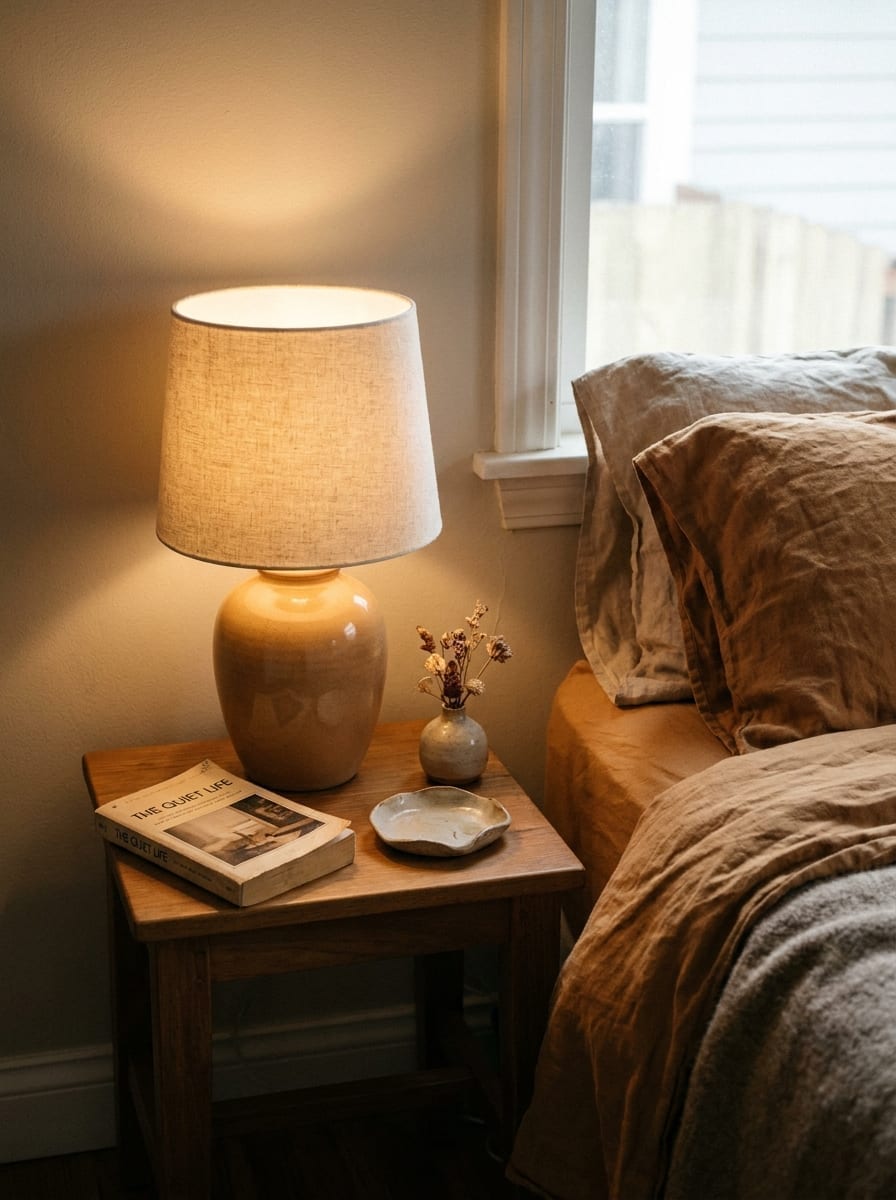
Dreamy does not have to mean decorated everywhere.
One small bedside vignette is enough to make the room feel intentional.
That might be:
one small lamp one book ceramic dish tiny vase glass of water
Do not stack five books, three candles, flowers, framed photos, and several decorative objects together.
The more restrained the surface is, the calmer it feels.
8. Soft Wall Color Instead of Stark White
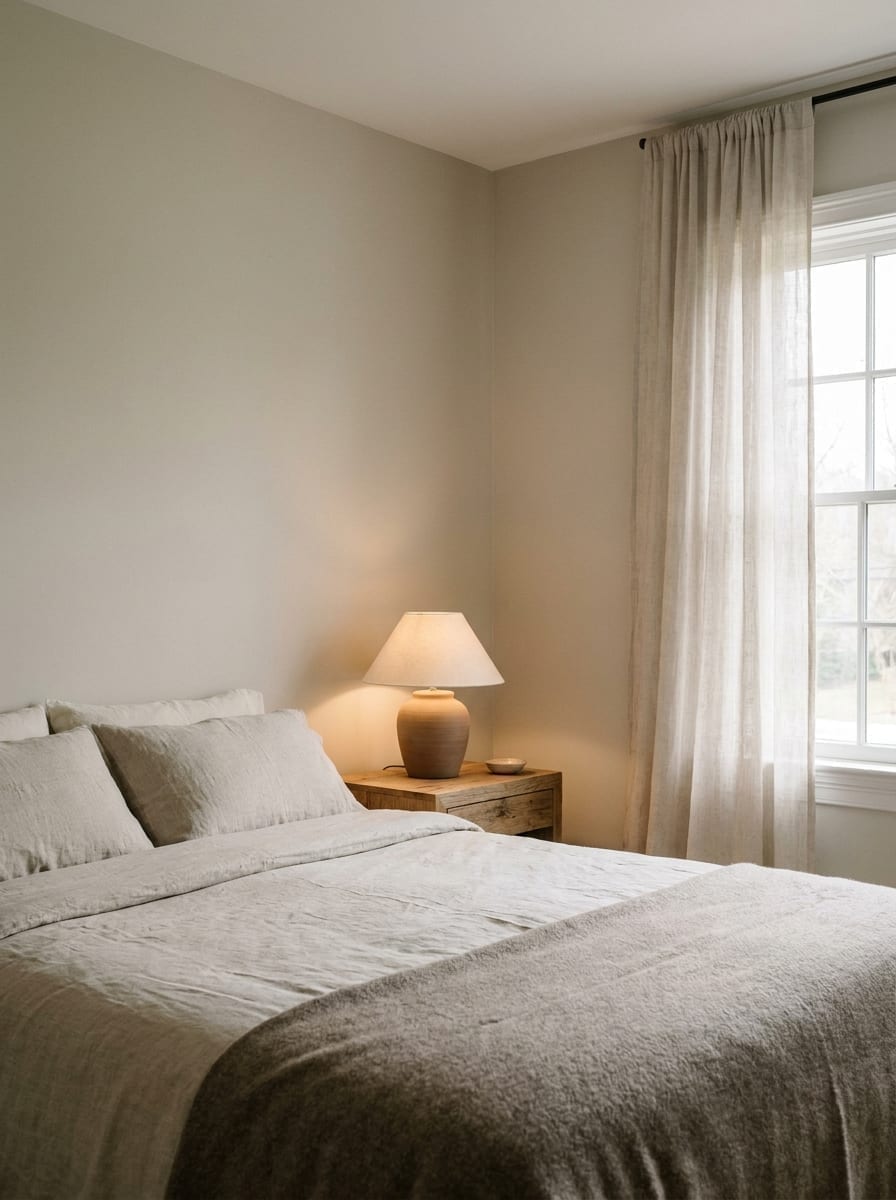
White can be beautiful, but some rental whites feel cold under artificial light.
A softer wall tone can completely change the mood.
Consider:
warm off-white mushroom pale taupe soft clay muted greige very light dusty olive
If painting is not possible, bring that softer color through bedding, curtains, art, and rugs.
The goal is to remove the harsh contrast that can make a bedroom feel less restful.
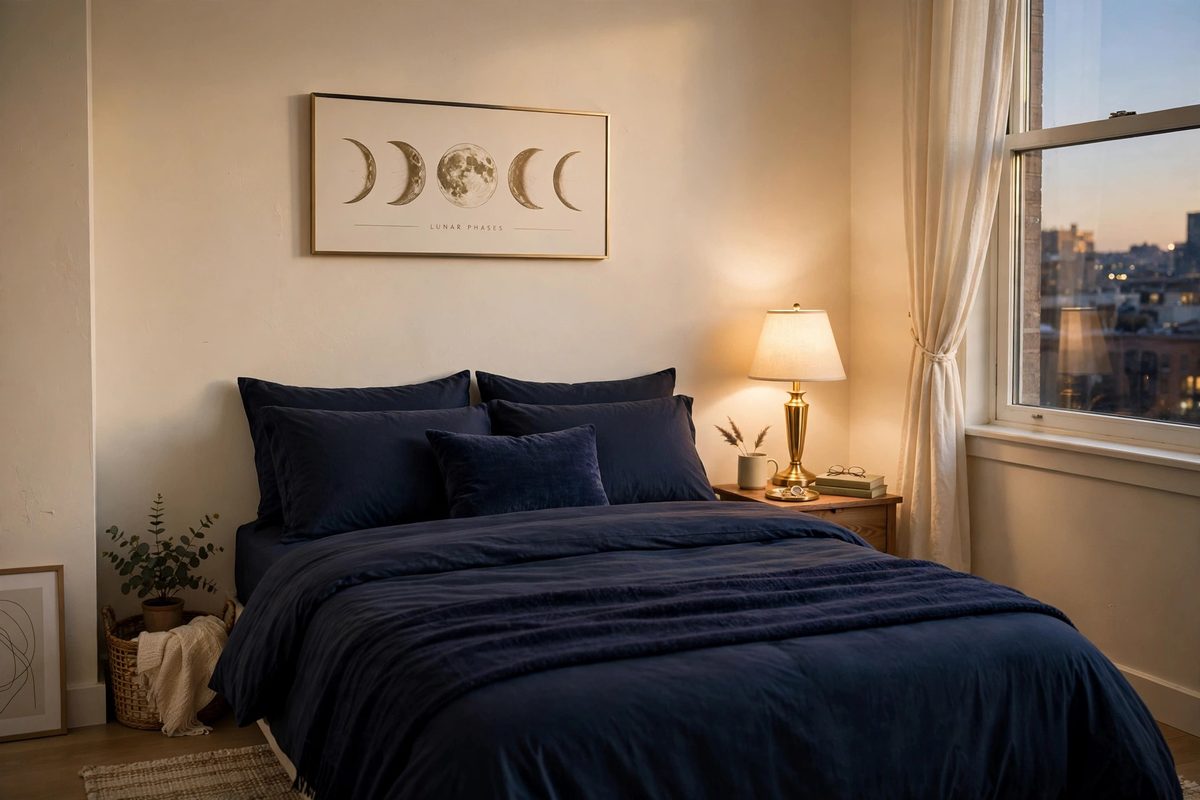
9. One Oversized Art Piece Above the Bed
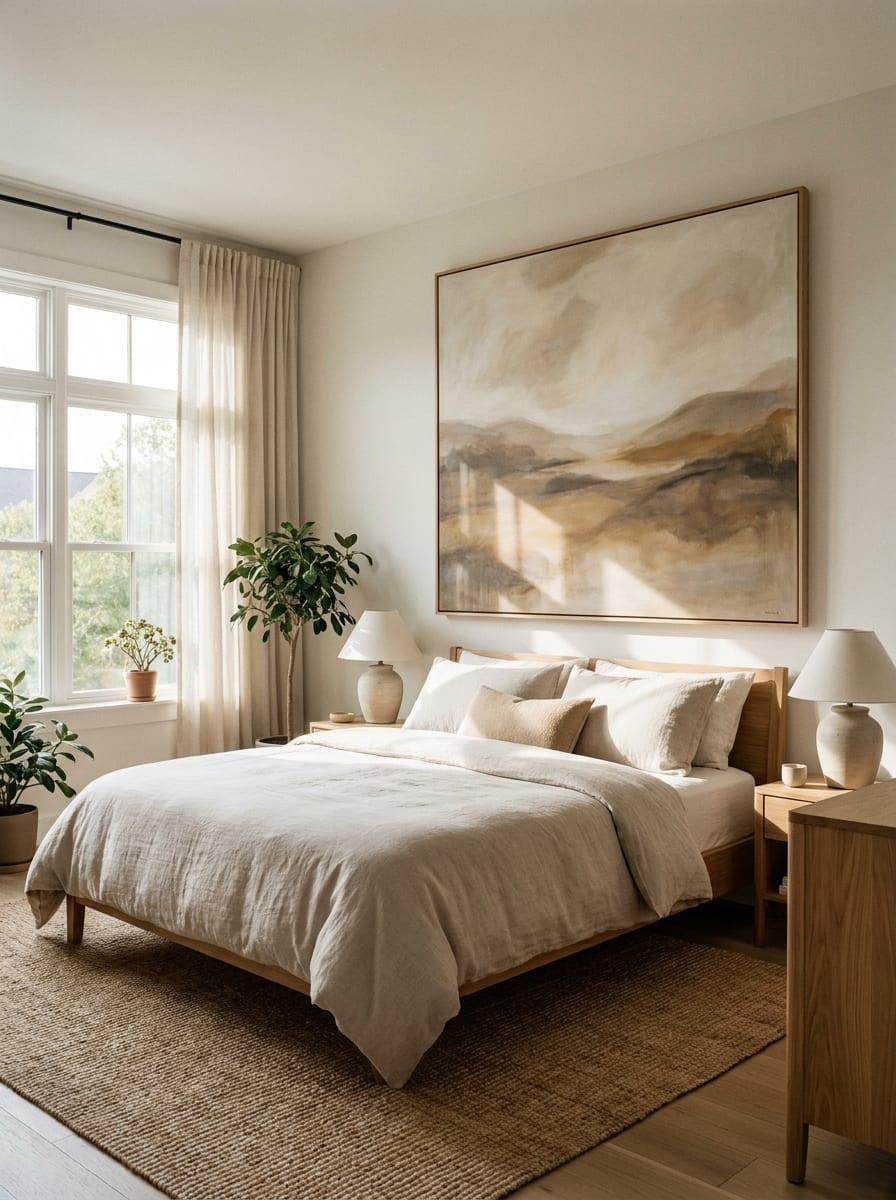
A wall full of small decor can make a compact bedroom feel busier.
One larger artwork often works better.
Choose something soft and atmospheric.
Good options include:
abstract painting muted landscape soft botanical minimal photography
The artwork should complement the palette rather than become the loudest object in the room.
One piece gives the bed wall a finished look without cluttering it.
10. A Small Bedroom Reading Corner
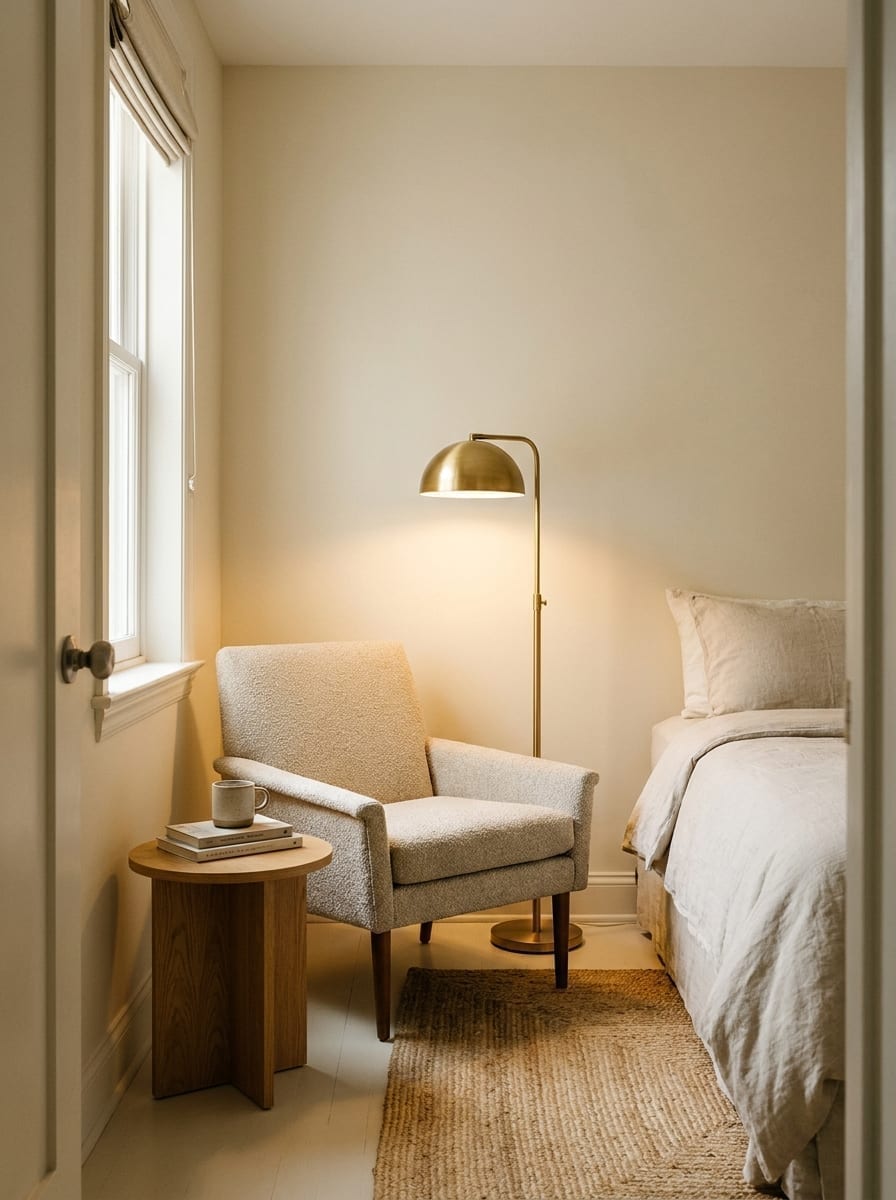
If the bedroom has one awkward corner, it can become a small retreat rather than dead space.
You do not need a large lounge chair.
A compact chair, tiny side table, and one floor lamp can create a beautiful little reading zone.
The chair should still leave enough room to move around comfortably.
If the corner is too tight, skip it.
A dreamy bedroom should feel easier to move through, not more crowded.
11. Subtle Canopy Effect Without the Drama
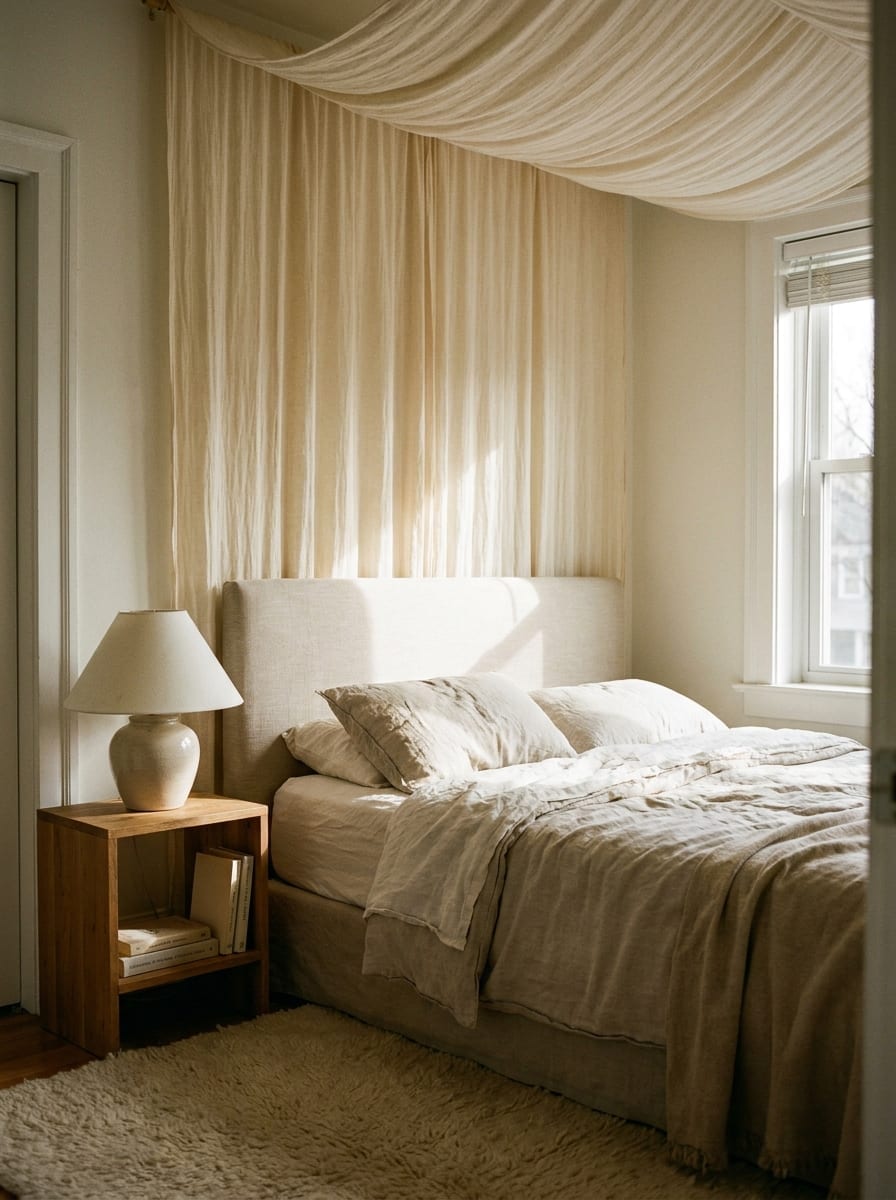
You can create a soft canopy feeling without building a full romantic four-poster setup.
A ceiling-mounted curtain panel behind the bed or a fabric panel framing the headboard can add softness and depth.
Keep the fabric light and the treatment simple.
This works especially well when the bedroom has a plain rental wall that needs more presence.
The effect should feel architectural and soft, not theatrical.
12. Low Furniture for a Calmer Sightline
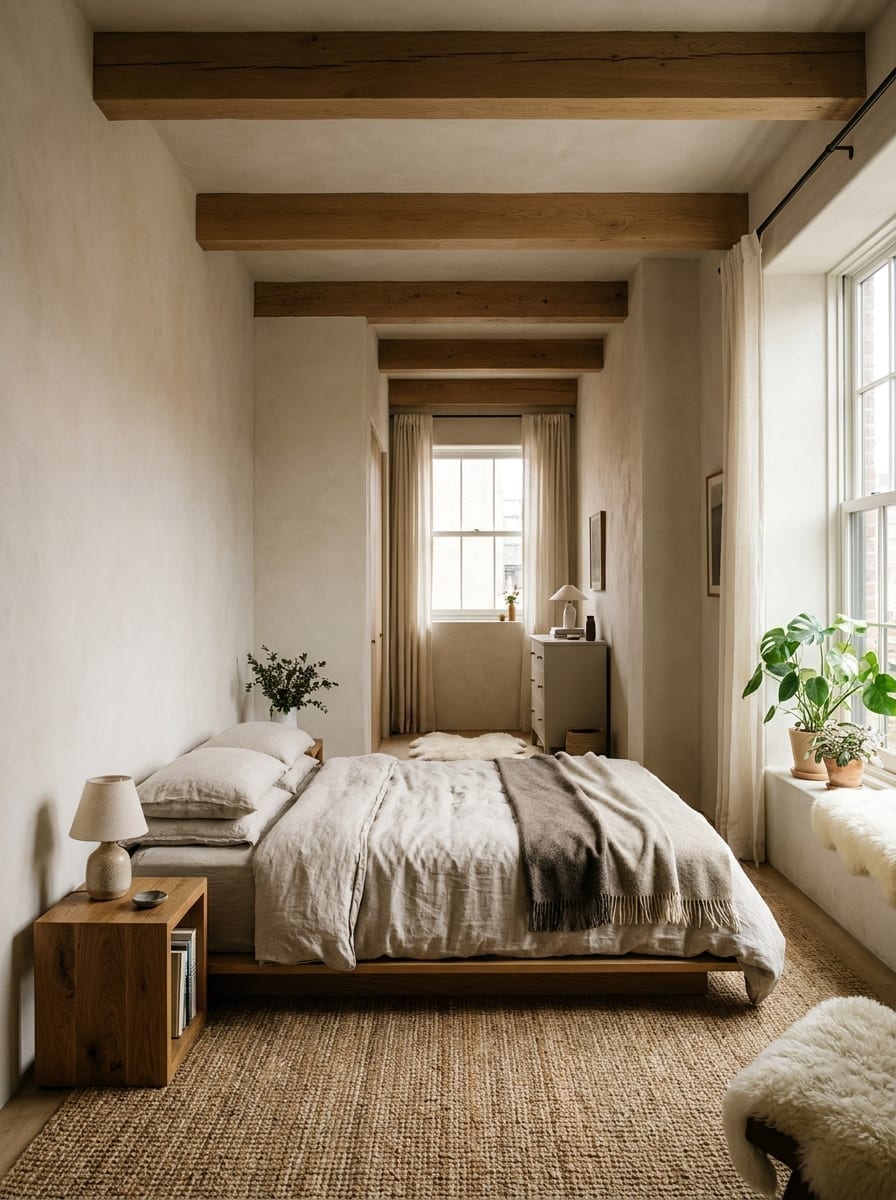
Lower furniture can make a small bedroom feel more visually open.
A lower bed frame, compact bench, short dresser, or simple nightstands allow the eye to travel farther across the room.
That does not mean everything must sit close to the floor.
The idea is simply to avoid filling the room with tall, heavy furniture around every wall.
Keep taller storage where it makes sense, then let the area around the bed feel lighter.
13. Hidden Storage Beneath the Bed
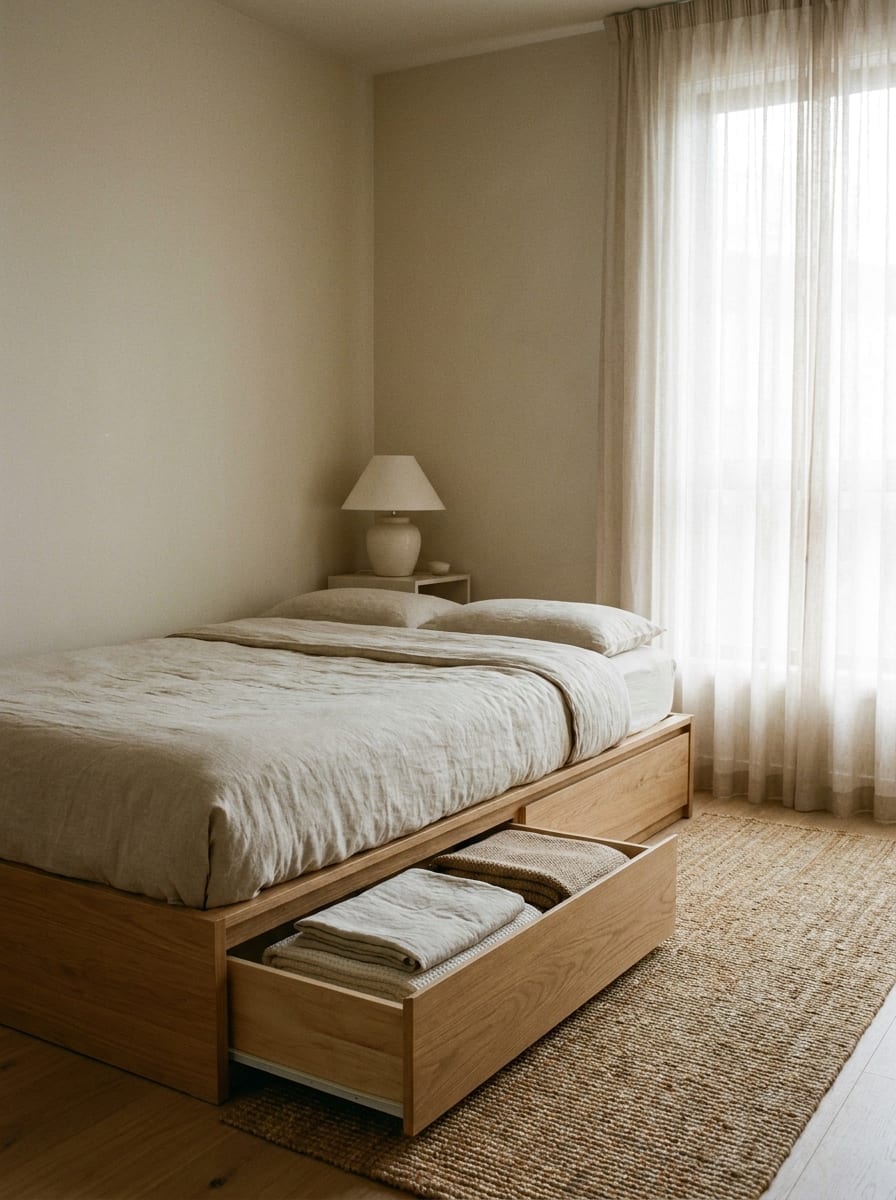
A dreamy room becomes less dreamy very quickly when clothing, extra bedding, bags, and boxes remain visible.
Under-bed storage can remove that visual clutter without adding another piece of furniture.
Use it for things you do not need several times a day.
Good choices include:
extra bedding seasonal clothes shoes spare towels travel bags
Use matching low-profile boxes or integrated drawers rather than random bags pushed underneath.
14. Warm Wood Against Soft Fabrics
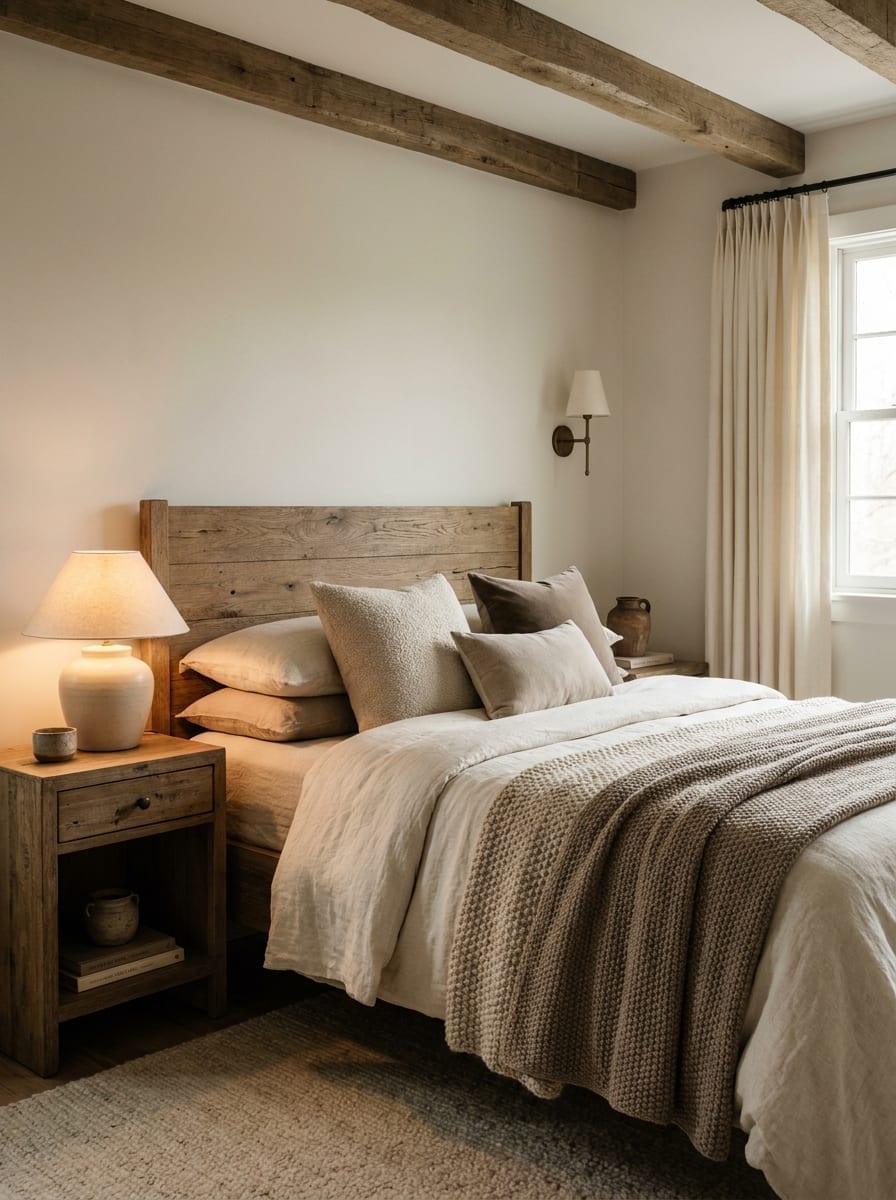
A room filled entirely with soft pale textiles can start feeling flat.
Warm wood gives the bedroom structure and contrast.
You only need a little.
That might be:
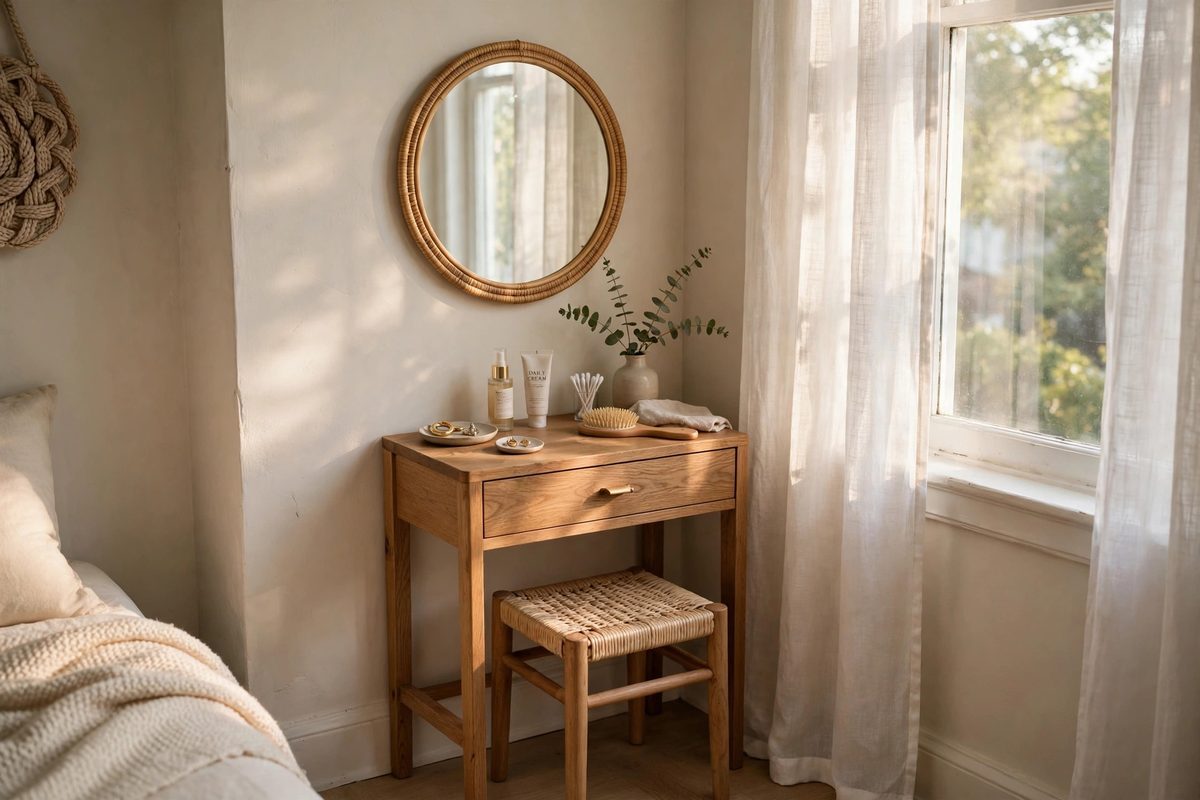
oak nightstand wood headboard small bench simple picture frames dresser
The combination of warm wood and softer fabrics creates the grown-up version of cozy.
It feels natural rather than overly decorated.
15. A Mirror That Multiplies Soft Light
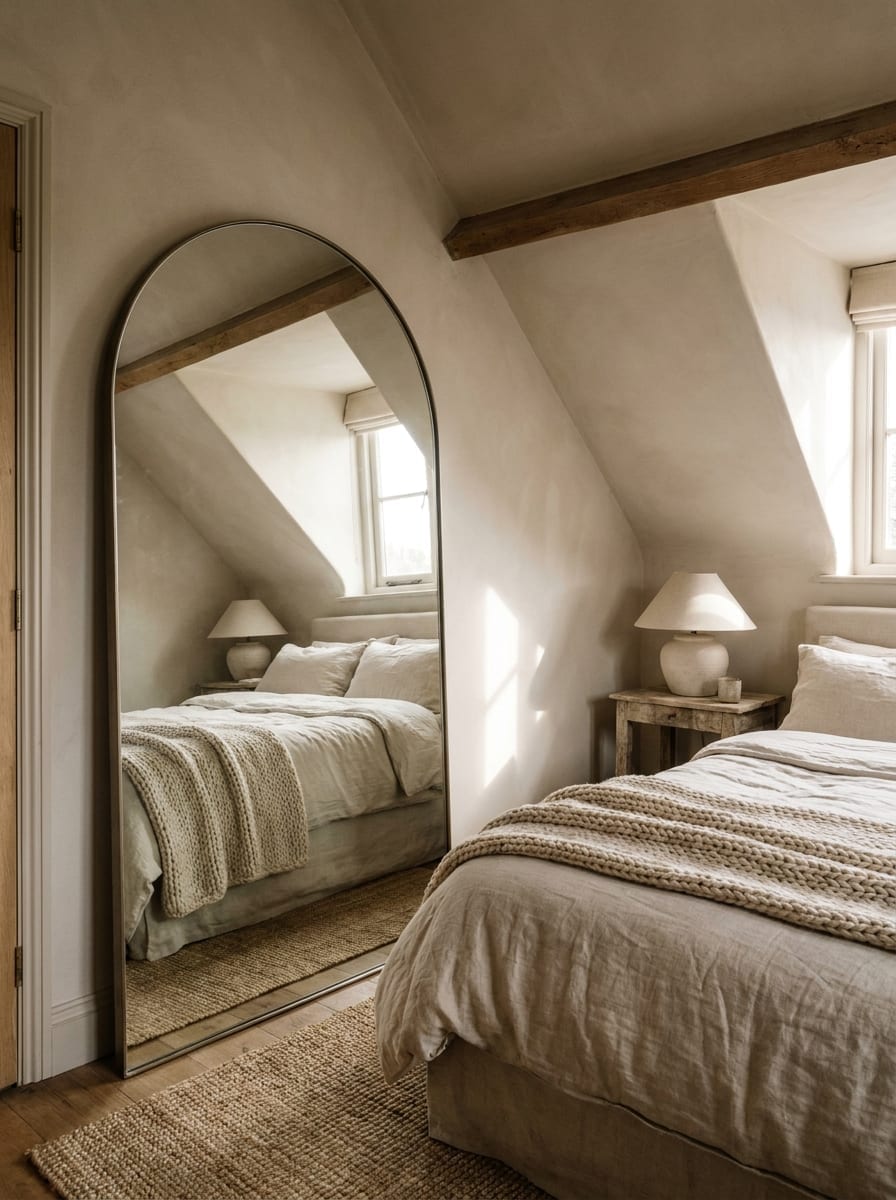
A mirror can make a small bedroom feel brighter, but placement matters.
If possible, position it where it reflects:
a window curtain-filtered daylight bedside lamp visually calm part of the room
Avoid placing it where it mainly reflects clutter.
A full-length mirror leaned or mounted safely against a wall can also add vertical height.
The effect should be subtle.
You want more light, not a room full of reflections.
16. One Muted Accent Color
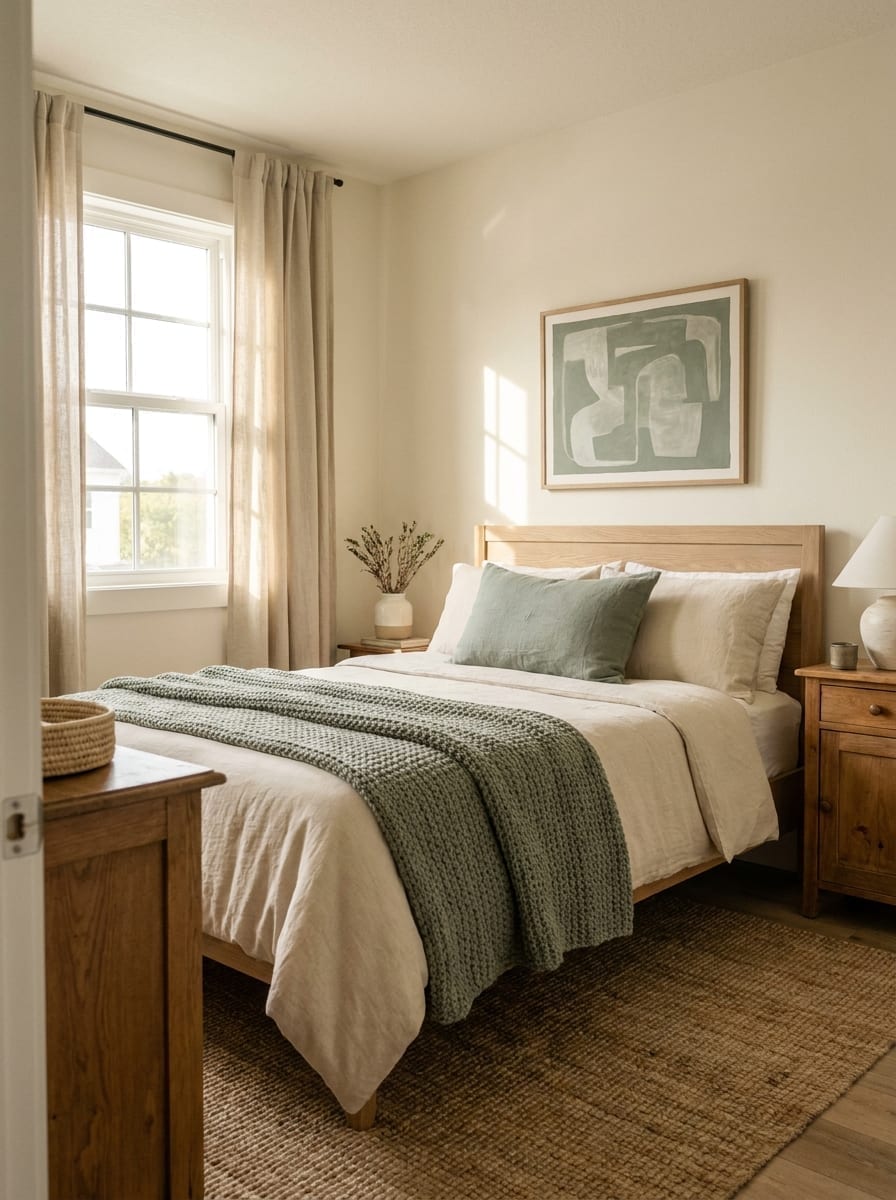
A dreamy neutral room can still have color.
The safest approach is to use one muted accent repeatedly in small doses.
Examples:
dusty sage muted rose terracotta faded blue soft olive warm burgundy
Use it through perhaps a pillow, artwork, throw, or small decorative object.
One repeated accent makes the room feel intentional without breaking the calm palette.
17. The Edited Nighttime Retreat
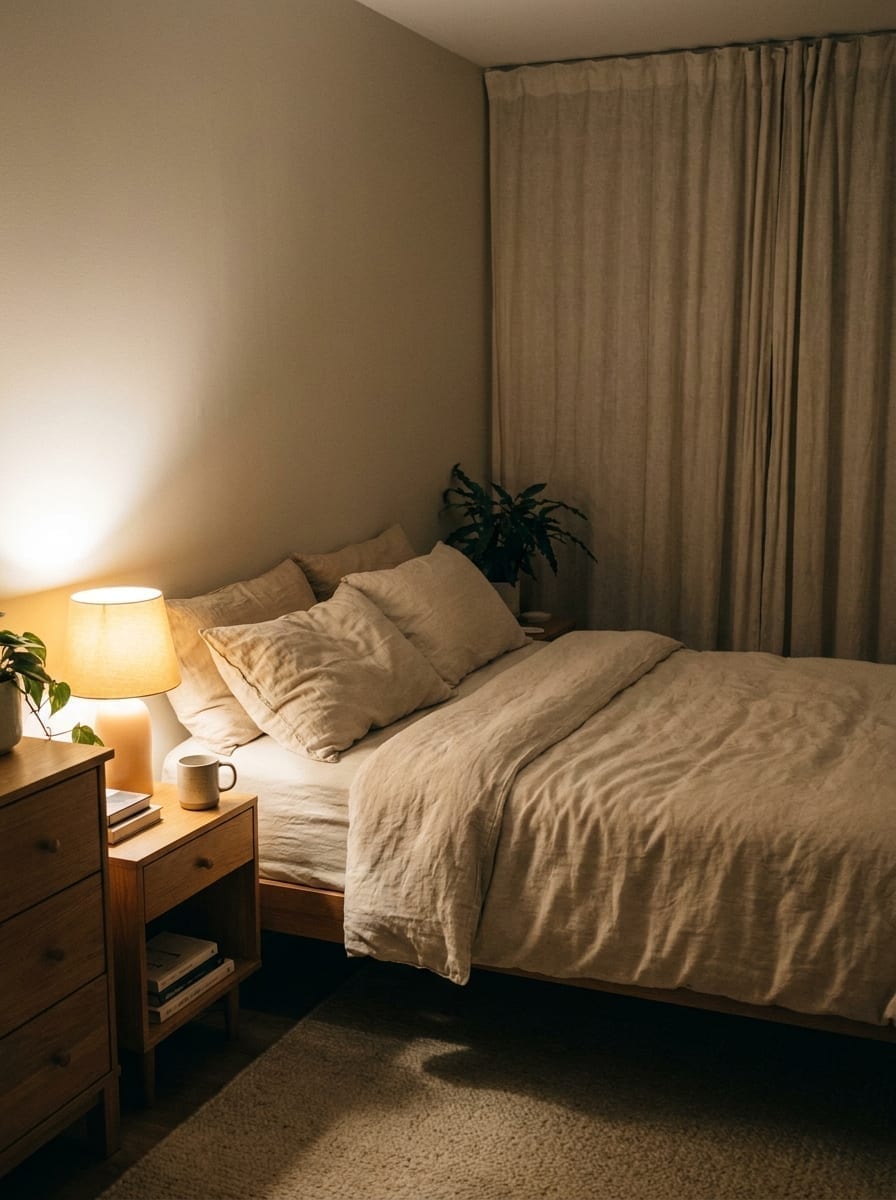
The final idea is not another thing to buy.
It is removing enough visual noise that the bedroom actually feels restful at night.
Before bed, try resetting:
clothes cups chargers paperwork packaging random objects on the nightstand
Then leave only the things that contribute to the room.
Turn off the ceiling light, switch on the bedside lamp, and let the softer textures and colors do the work.
A dreamy bedroom is often less about what you add and more about what you stop asking your eyes to process.
How to Make a Small Bedroom Feel Dreamy Without Making It Feel Cluttered
The easiest mistake is trying to create atmosphere with objects.
More cushions.
More candles.
More wall decor.
More blankets.
More lights.
In a small bedroom, atmosphere usually comes from a few bigger decisions instead:
softer lighting better bedding calmer colors curtains natural texture edited surfaces
That is why the room can actually feel dreamier when you remove a few things.
The softness becomes easier to notice.
The Best Colors for a Dreamy Small Bedroom
You do not have to use an all-white palette.
Soft warm neutral
Warm white Cream Oatmeal Light taupe Oak
Earthy and calm
Mushroom Muted olive Warm wood Stone Cream
Soft romantic
Warm ivory Dusty rose Taupe Walnut Muted burgundy
Gentle cool-neutral
Soft greige Faded blue Warm white Light oak Charcoal accents
The key is keeping the contrast controlled.
Too many competing colors can make a small bedroom feel visually busy.
How to Make the Bedroom Feel Grown-Up
A dreamy bedroom can easily start feeling juvenile if every idea is pushed too far.
Instead of using:
lots of fairy lights excessive faux vines dozens of tiny prints overly frilly bedding novelty decor
focus on:
good lighting beautiful fabric restrained color natural wood simple art one or two atmospheric details
The mood can still be soft without feeling childish.
What to Avoid in a Small Dreamy Bedroom
Too many decorative pillows
You should still be able to use the bed comfortably.
Tiny decor on every surface
This creates visual noise quickly.
Overly heavy curtains
Softness is good. Visual weight is not.
Too many competing light sources
A few warm lights work better than a room covered in string lights.
Large furniture that blocks movement
No amount of beautiful decor will fix a bedroom that is difficult to walk through.
Where to Start
If you want the biggest change with the fewest purchases, start with the bed.
Simplify the bedding.
Add one soft textural layer.
Then improve the lighting.
After that, look at the curtains and clear the bedside surfaces.
Those changes affect a much larger portion of what you see than adding several smaller decorative objects.
A dreamy small bedroom is not about creating a fantasy room.
It is about making a normal bedroom feel quieter, softer, and more comforting at the end of the day.
And when the room is small, that restraint often makes it feel even more beautiful.