Where to Find Cheap Home Decor That Looks Expensive
Where to find cheap home decor that looks expensive: thrift stores, discount chains, online marketplaces and DIY upgrades, plus what to buy where.
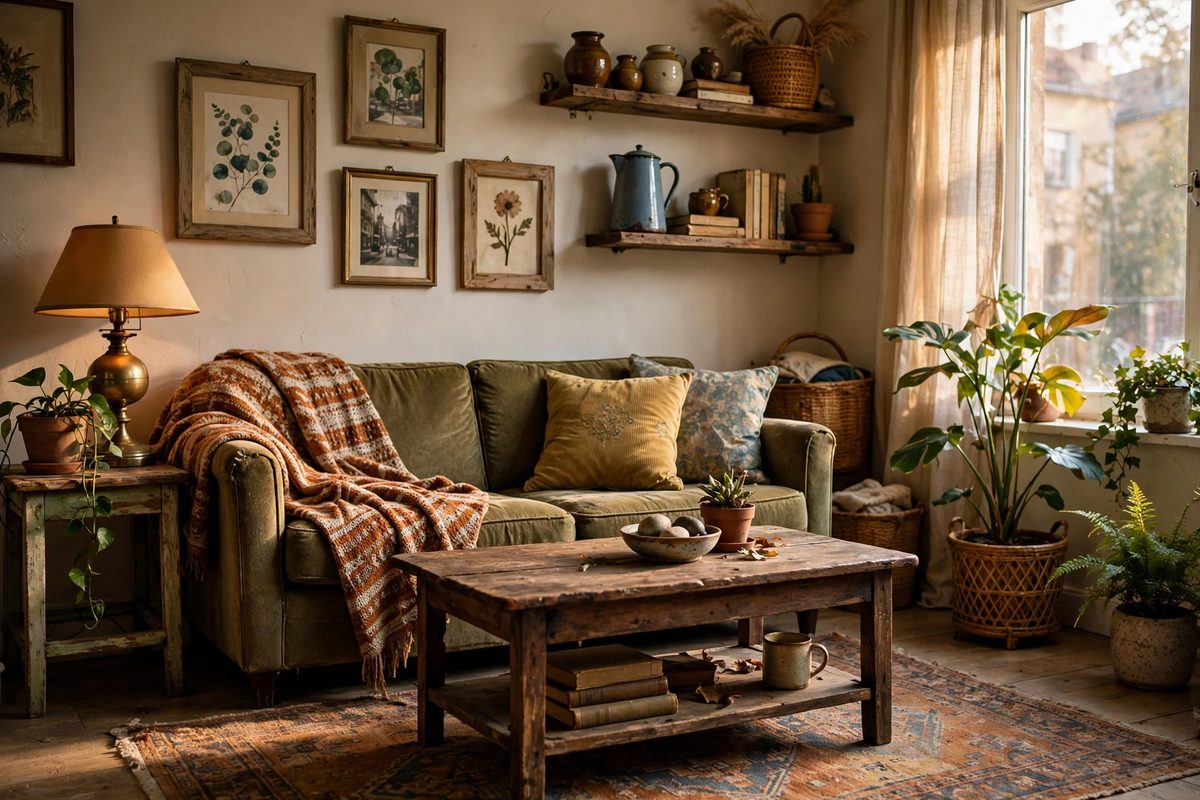
Cozy small apartment living room decorated with thrifted finds, a secondhand wooden coffee table, vintage lamp and framed art
In This Guide
Where to find cheap home decor is the question every renter asks after the first furniture delivery, because the sofa is in place and the walls are still blank. The good news is that expensive-looking decor rarely comes from expensive stores: it comes from solid materials, good proportions, and a few well-chosen pieces instead of a room full of small trinkets. The 12 sources below cover thrift stores, discount chains, online marketplaces, and DIY, with what to buy at each one and what to skip. If you are starting from zero, read our apartment decorating on a budget first for the room-by-room spending order.
12 Places to Find Cheap Home Decor That Looks Expensive
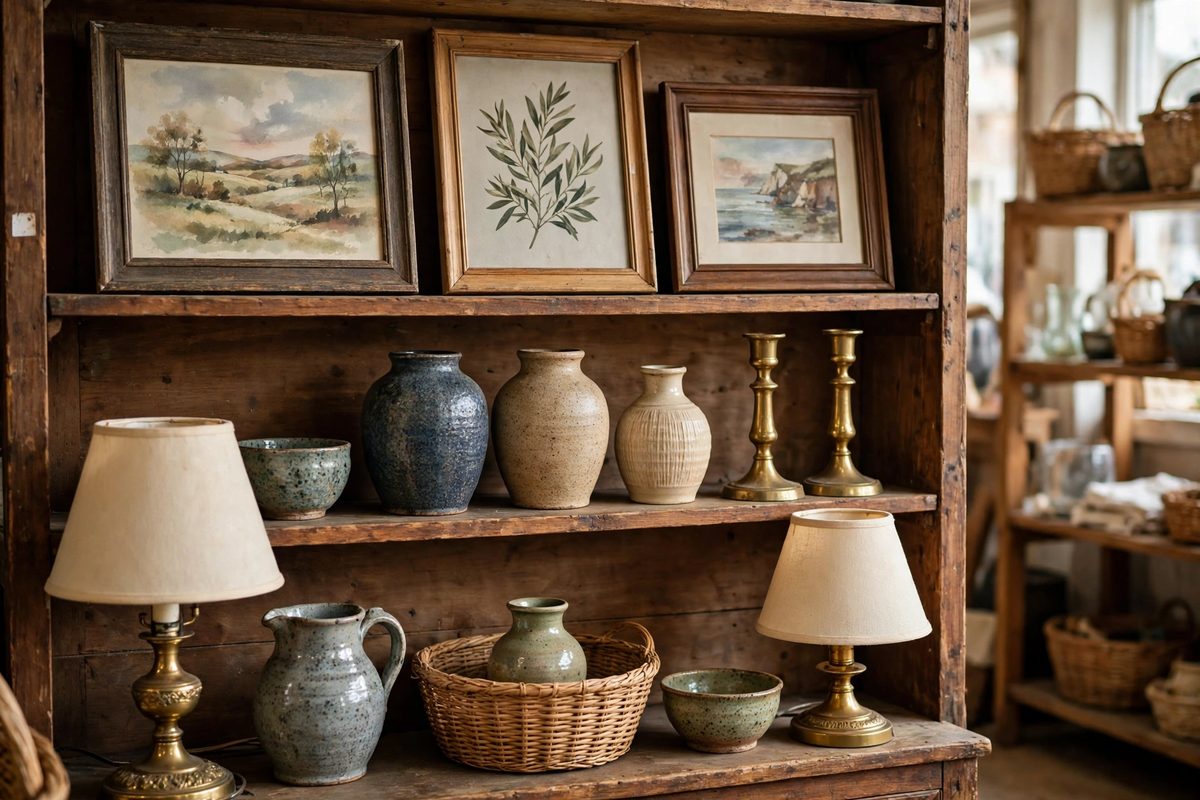
1. Thrift stores and charity shops. Thrift stores are the best source for solid wood furniture, ceramic vases, brass candlesticks, and framed art, often for 5 to 20 dollars a piece. Go early in the week when new donations hit the floor, and check the furniture section first because good pieces sell within hours. Look for real wood, dovetail joints, and heavy ceramics: weight is the fastest quality test, since cheap decor is almost always light and hollow.
2. Facebook Marketplace and local buy-nothing groups. Marketplace is where people sell barely used decor when they move, and prices drop fast in the last week of the month. Search for “moving sale” and filter by your neighborhood to avoid delivery costs. A solid wood side table that retails for 120 dollars often lists for 20 to 30 dollars, and buy-nothing groups give away lamps, frames, and plant pots for free. Always inspect in person: check that drawers slide, lamps work, and wood has no water damage on the underside.
3. Dollar Tree and discount craft stores. Dollar Tree sells vases, candle holders, picture frames, and faux greenery for 1 to 5 dollars, and the trick is buying simple shapes in neutral colors, then upgrading them. A plain glass vase looks expensive with a single stem in it, while a glittery or oddly shaped one always looks cheap. Spray paint is your best friend here: a 5-dollar can of matte black or brushed gold paint turns a 1-dollar frame into something that passes for boutique.
4. IKEA, but only the right sections. IKEA has a few pieces that look far more expensive than they cost, and a lot that does not. The best bets are the solid pine and rattan lines, simple cotton curtains, and the larger frames with real glass. Skip the smallest decorative objects: a 3-dollar trinket reads as a 3-dollar trinket, while a 25-dollar floor lamp or a 40-dollar bookshelf reads as furniture. Check the as-is section near the exit, where floor models and returns sell for 30 to 50 percent off.
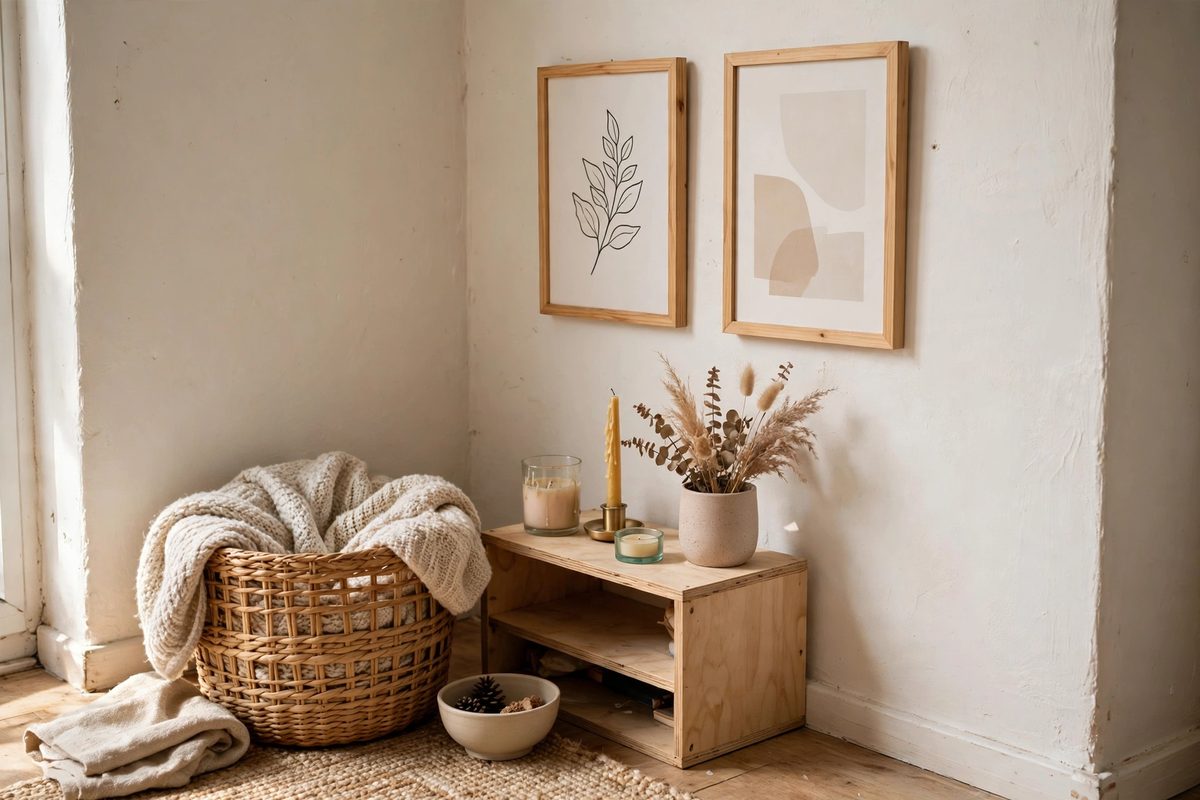
5. Target and Walmart clearance aisles. Big-box clearance aisles hide the best deals in home decor, especially in January and July when seasonal lines rotate. Curtains, throw pillows, and lamps regularly drop to half price, and the threshold and Better Homes lines are designed to mimic higher-end looks. The rule is to buy texture over pattern: a solid linen-look pillow in a warm neutral looks expensive, while a busy printed pillow from the same shelf usually does not.
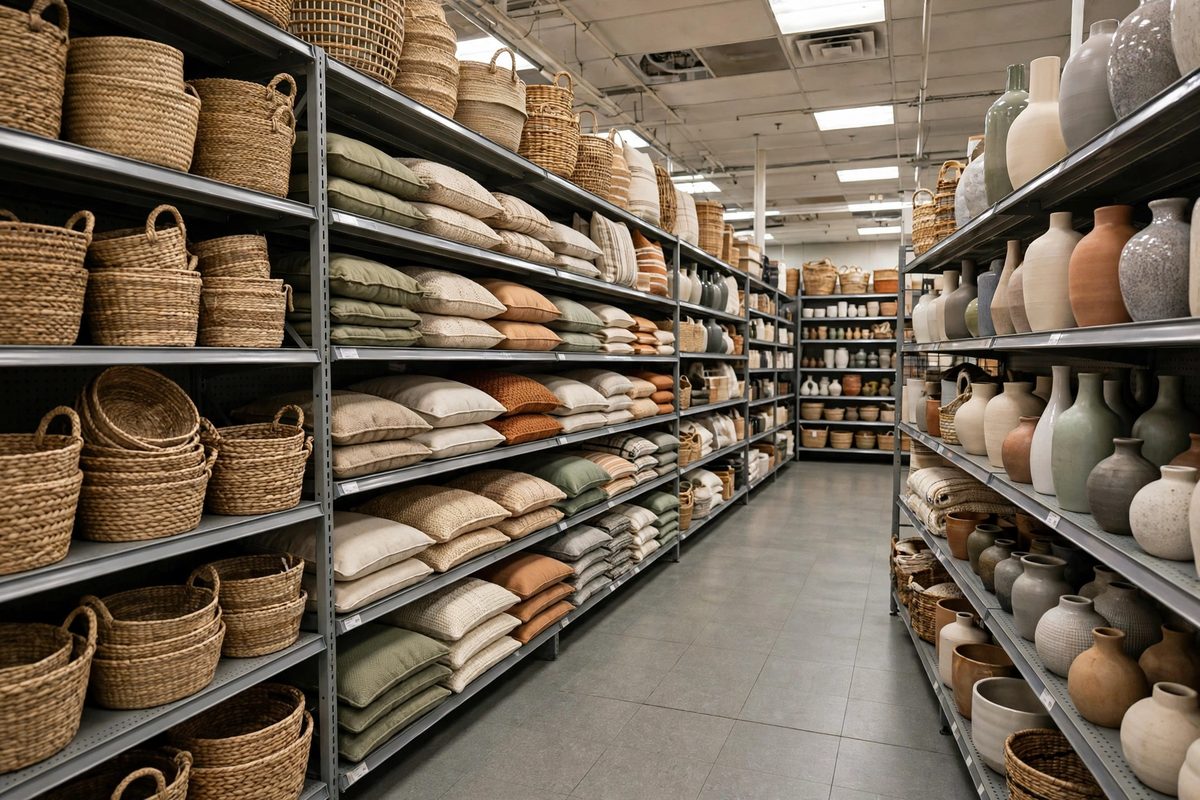
6. TJ Maxx, Marshalls, and HomeGoods. These stores are the best place for the one or two statement pieces that make a room look finished: a large mirror, a real ceramic lamp, or a woven basket. Prices run 15 to 40 dollars for pieces that look like they cost twice that, and the inventory changes weekly, so a quick 10-minute browse once a week beats a single long trip. Check the back of every item for the original price tag: if it was 80 dollars and now sells for 25, the quality is usually real.
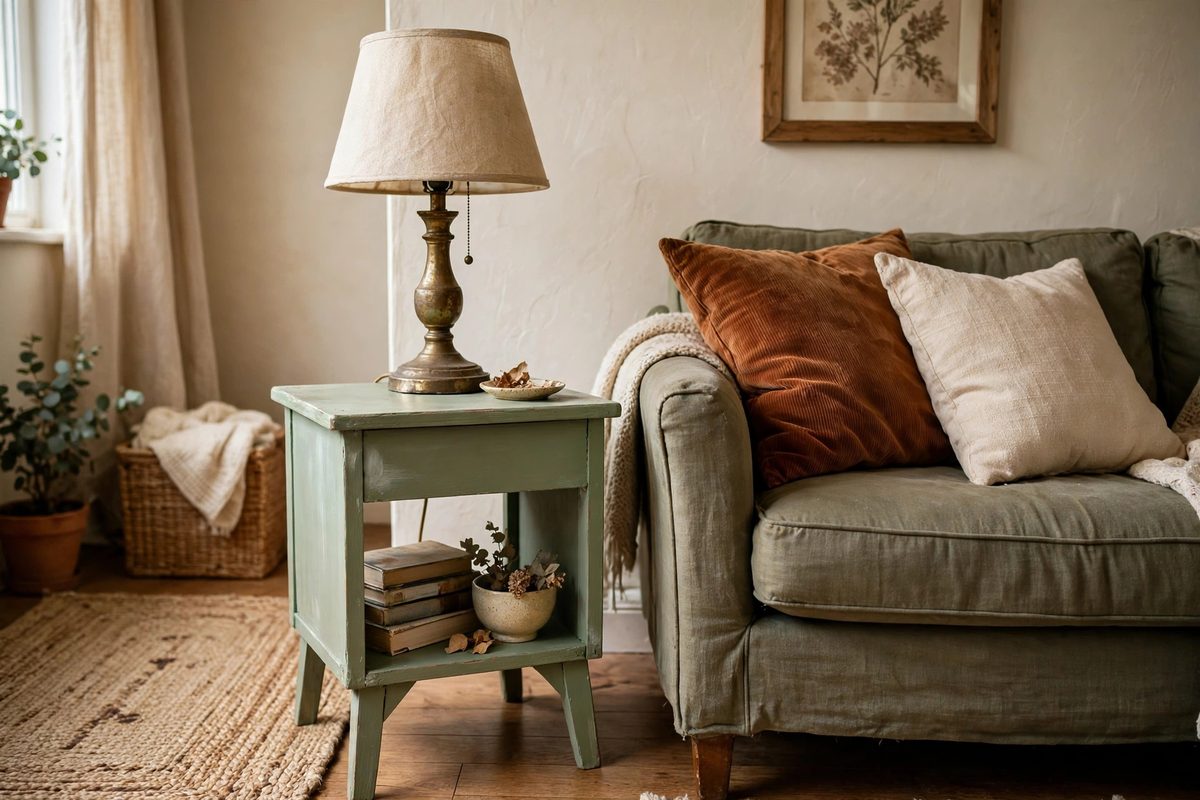
7. Estate sales and garage sales. Estate sales are the best source for real quality at thrift prices: solid wood furniture, vintage lamps, wool rugs, and art with actual frames. Go on the last day, when most sellers cut prices by 50 percent to clear the house. A wool rug that would cost 300 dollars new often sells for 40 to 60 dollars at an estate sale, and a solid wood dresser goes for 50 to 80 dollars. Bring cash in small bills and a tape measure so you know it fits through your door.
8. Online marketplaces: eBay, Etsy, and Poshmark. eBay is best for vintage lamps and brass, Etsy is best for handmade ceramics and printable art, and Poshmark occasionally lists home decor from sellers clearing out closets. On Etsy, printable wall art costs 3 to 8 dollars for a digital file, and a 10-dollar frame from a discount store turns it into finished art for under 20 dollars total. Always read the dimensions twice: a vase that looks large in photos can arrive at 4 inches tall.
9. Your own closet and the free section. Before you buy anything, walk through your home with fresh eyes. A scarf becomes a table runner, a stack of books becomes a side-table display, and a jar becomes a vase. The free section of Craigslist and the curb on moving day in your building are also real sources: solid wood furniture and working lamps appear regularly, especially at the end of the month. A quick wipe-down and a coat of paint make most curbside finds look intentional.
10. DIY upgrades that cost under 10 dollars. A 5-dollar can of spray paint, a 3-dollar roll of peel-and-stick wallpaper, or a 7-dollar set of new drawer pulls can transform a thrifted piece. Paint the inside of a bookshelf a bold color, swap the hardware on a cheap dresser for brass pulls, or wrap a plain planter in jute rope. These upgrades work because they change the material cue: brass, matte black, and natural fiber read as expensive, while shiny plastic and thin chrome do not.
11. Plant swaps and propagation. Plants are the cheapest decor that makes a room look alive, and they are nearly free if you propagate. A pothos cutting from a friend roots in water in two weeks, and a 5-dollar nursery pot becomes a full plant in a few months. Local plant swap groups on social media trade cuttings for free, and grocery stores sell small herbs and succulents for 3 to 5 dollars. One large plant in a nice pot does more for a room than five small trinkets on a shelf.
12. Seasonal sales and outlet stores. The best time to buy decor is when stores clear seasonal stock: January for winter decor, July for summer lines, and the week after any major holiday. Outlet stores for brands like Pottery Barn and West Elm sell floor models and past-season pieces for 40 to 60 percent off, and a single outlet lamp or mirror can anchor a whole room. Make a short list of the 2 to 3 pieces you actually need, and buy only those when they go on sale, instead of filling a cart with sale items you did not plan for.
Pro Tips for Decor That Looks Expensive
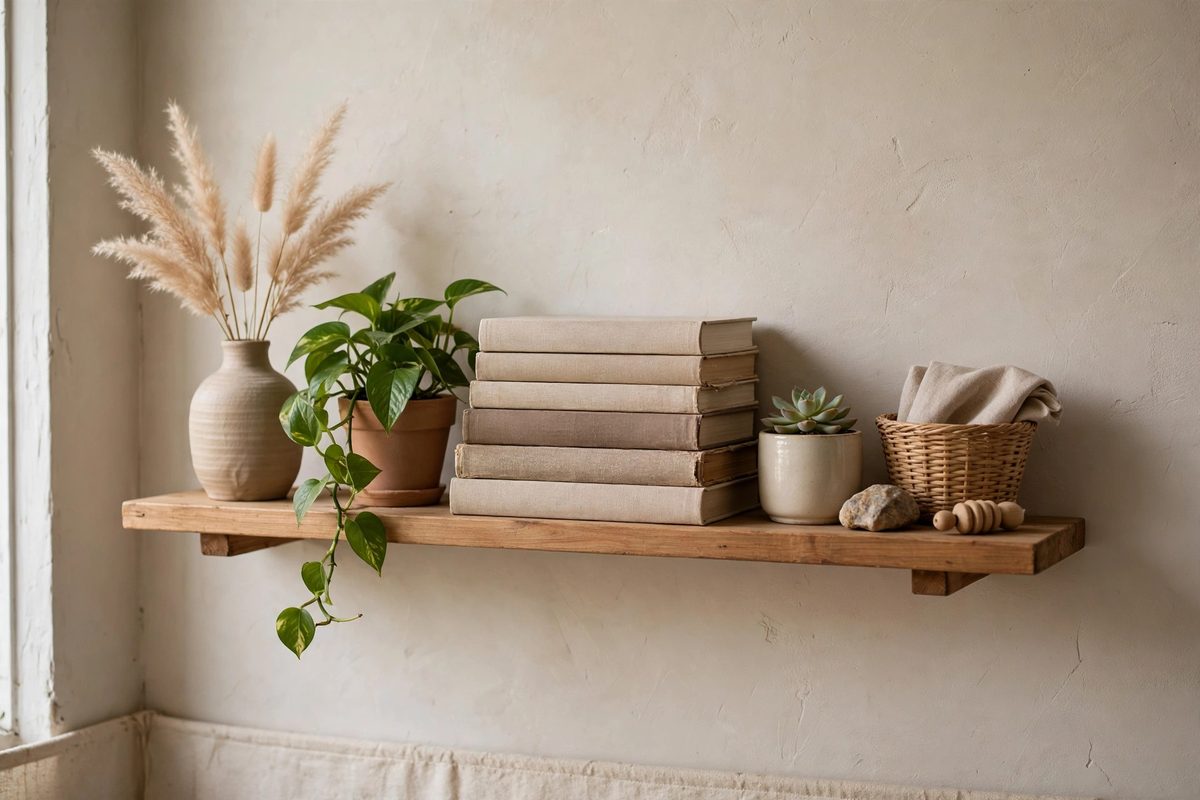
Buy fewer, bigger pieces instead of many small ones. One large mirror, one real ceramic lamp, and one woven basket will make a room look finished, while ten small trinkets from the dollar aisle will make it look cluttered. Stick to a palette of 2 to 3 colors plus one metal finish, and repeat that metal in at least 3 places so the room feels planned. For the room-by-room version of this approach, our small apartment decorating ideas lay out the order to decorate in, and our cozy apartment decor ideas show how texture does the heavy lifting when the budget is small.
What to Avoid
- Buying a full matching set: a 5-piece set from one store reads as a showroom, while mixed pieces read as collected over time.
- Tiny wall art: a frame smaller than 11 by 14 inches disappears on a wall, so go bigger or group 3 small frames together.
- Fake plants that look fake: if the leaves are shiny plastic and the stems are visible wire, skip it, since one good real plant beats five bad fake ones.
- Shopping without measurements: a 40-dollar mirror is wasted money if it does not fit the wall, so measure first and carry a tape in your bag.
Frequently Asked Questions
Where can I find cheap home decor that does not look cheap? Thrift stores, Facebook Marketplace, and TJ Maxx or HomeGoods are the three best sources. Thrift stores give you solid wood and real ceramics, Marketplace gives you barely used furniture from people who are moving, and discount home stores give you statement pieces at 40 to 60 percent off. In all three, look for heavy materials, simple shapes, and neutral colors.
What home decor should I buy first on a budget? Start with lighting, then a large mirror, then textiles. A good floor lamp changes a room more than any wall art, a mirror doubles the light and makes a small room feel bigger, and curtains plus throw pillows add color for under 50 dollars total. Buy furniture secondhand and decor new only when the secondhand version is hard to find.
How can I make cheap decor look expensive? Stick to one metal finish, repeat it in at least 3 places, and choose matte over shiny. Swap cheap hardware for brass or matte black pulls, spray-paint plastic frames, and use real materials like wood, ceramic, linen, and wool wherever the eye lands first. Fewer, larger pieces always look more expensive than many small ones.
Is it better to buy decor online or in person? In person is better for anything you need to judge by weight and texture, like lamps, ceramics, and rugs. Online is better for printable art, curtains in standard sizes, and anything where you already know the exact brand and model. For secondhand pieces, always inspect in person before paying.