18 Renter-Friendly Decorating Ideas That Actually Make a Rental Feel Like Yours
Discover 18 renter-friendly decorating ideas using removable upgrades, better lighting, curtains, rugs, art and portable decor to make a rental apartment feel more like yours.
In This Guide
Rentals can be frustrating to decorate.
You may be living with white walls you did not choose, flooring you would never install, basic lighting, generic hardware, or awkward rooms that clearly were not designed around your furniture.
At the same time, spending heavily on permanent upgrades rarely makes sense when the property is not yours.
That does not mean the apartment has to feel temporary.
The best renter-friendly decorating ideas focus on reversible changes and portable pieces. Instead of trying to disguise every imperfect finish, you build a stronger layer of your own style over it.
Curtains soften generic windows. Rugs change the feeling of floors. Lamps improve harsh lighting. Art creates focal points. Furniture gives awkward areas purpose.
And most of those things can move with you.
Before changing anything fixed to the property, always check your lease and the requirements for returning the rental to its original condition.
Then focus your effort where it creates the biggest visual difference.
1. Floor-to-Ceiling Curtain Upgrade
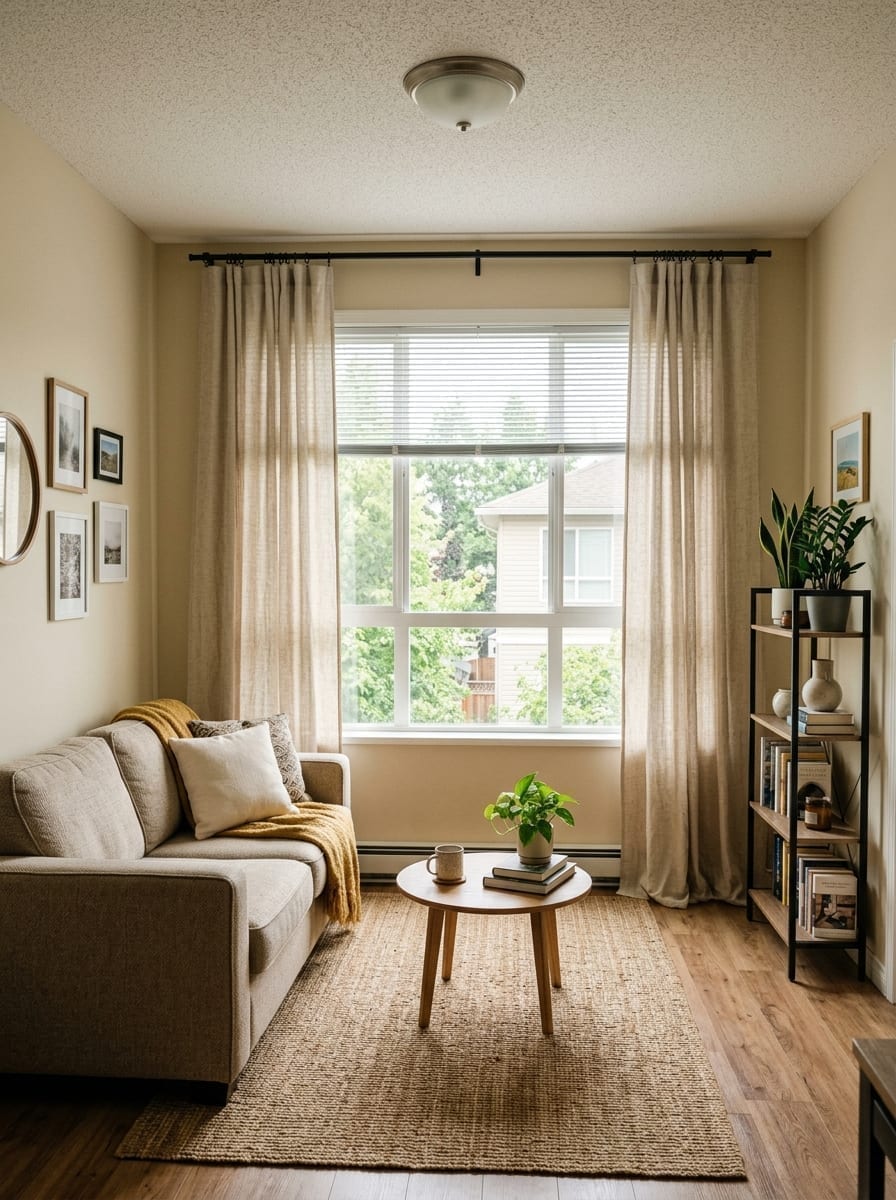
Rental windows often come with basic blinds that make the room feel unfinished.
You do not necessarily need to remove them.
Instead, layer soft curtains around the existing treatment.
Hanging curtain panels higher and wider than the window can:
make the ceiling feel taller soften hard window lines frame natural light give the room a more finished appearance
Choose fabric with some texture rather than a shiny material.
Warm white, oatmeal, pale taupe, muted olive, or soft greige are easy to take into a future home too.
Use a mounting method appropriate for the wall and your lease.
2. Oversized Art Without a Gallery Wall
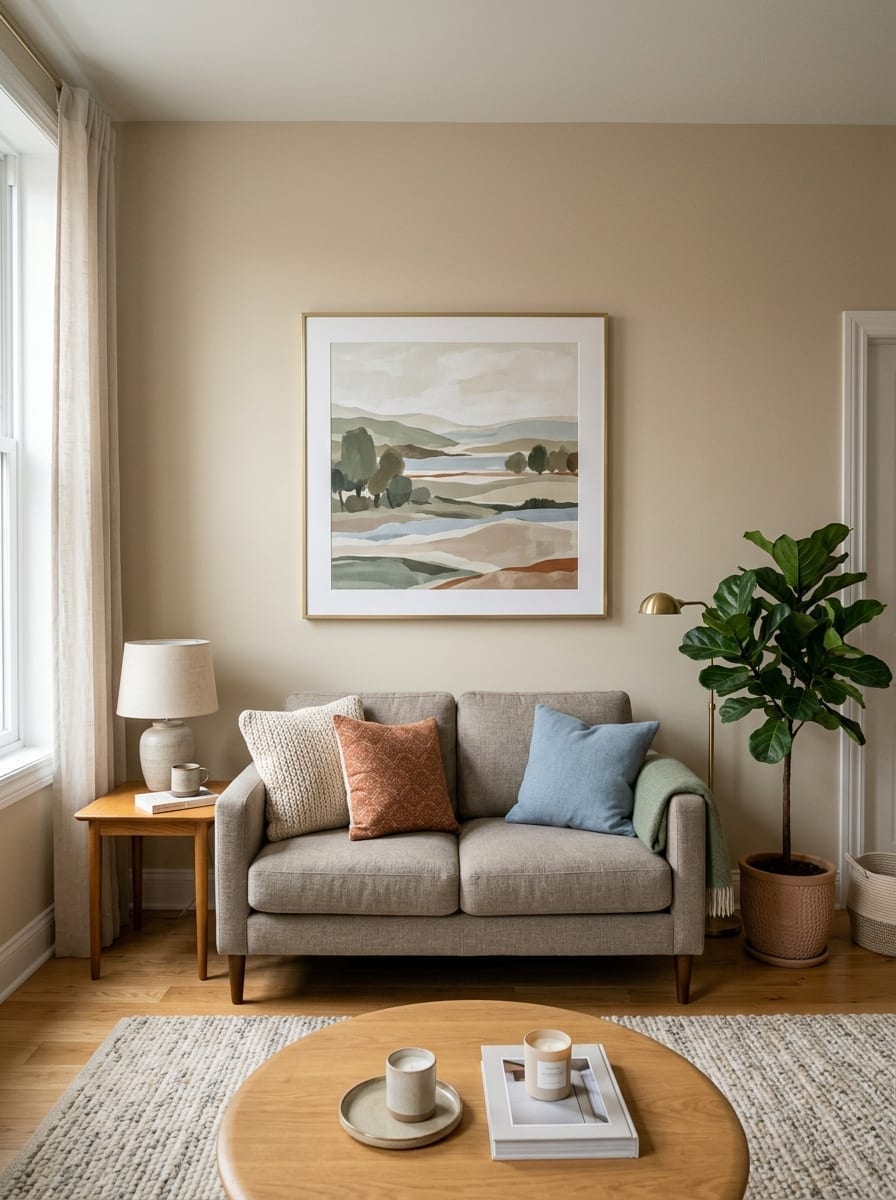
A rental can feel generic because there is nothing creating a strong focal point.
You do not need twenty little frames to solve that.
One larger artwork can give the room far more personality with less visual clutter.
Try:
oversized abstract art
muted landscape large photographic print textile wall hanging one framed vintage-style print
If your lease limits wall fasteners, use an approved removable hanging method suitable for the artwork’s weight and wall surface.
Larger art also moves easily into another home.
3. Plug-In Sconces for Better Lighting
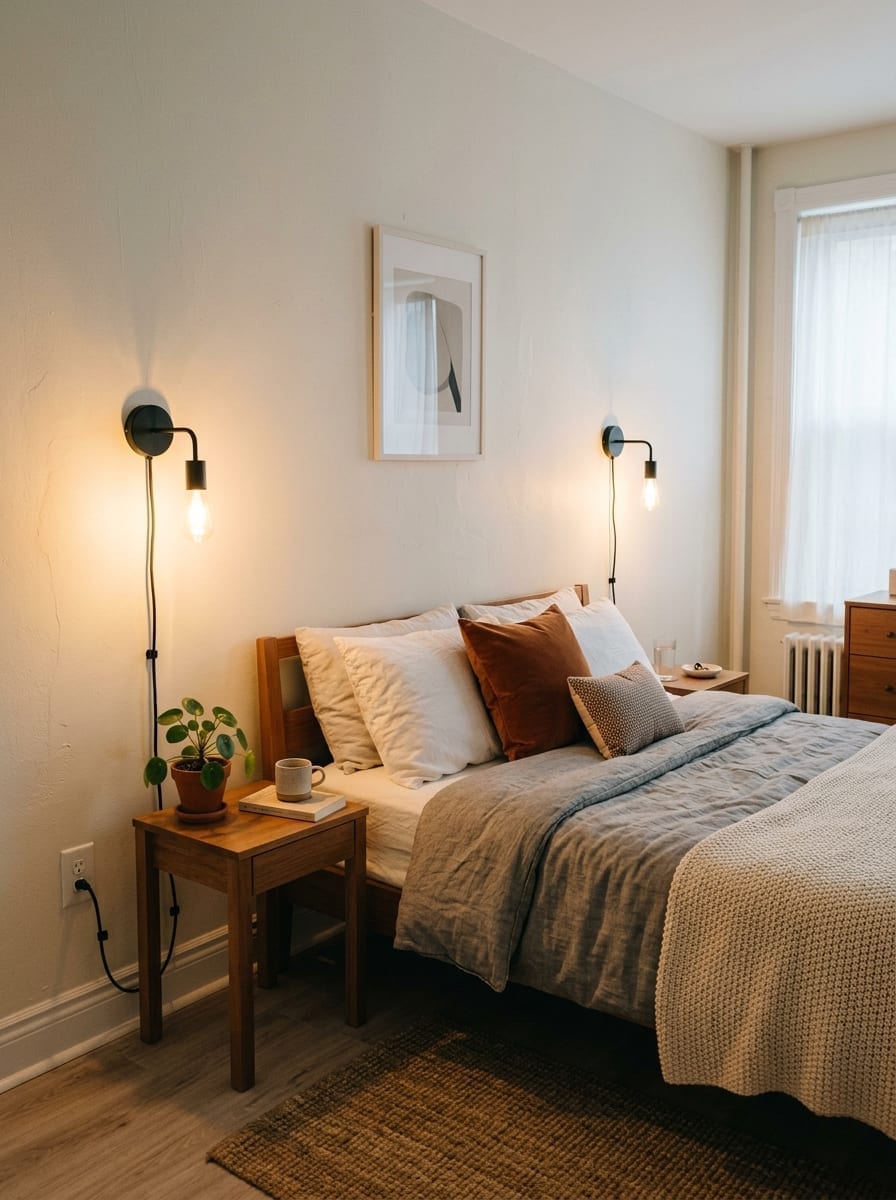
Rental lighting is often one of the least flattering parts of the apartment.
A single ceiling fixture can make a room feel flat and harsh.
Plug-in sconces can give you the layered look of permanent wall lighting without rewiring the apartment.
They work especially well:
beside the bed above a reading chair beside a sofa near a desk
If wall mounting is not practical, a floor or table lamp can create the same layered effect.
Warm lighting can make even very basic finishes feel more intentional.
4. A Large Rug That Covers Unloved Flooring
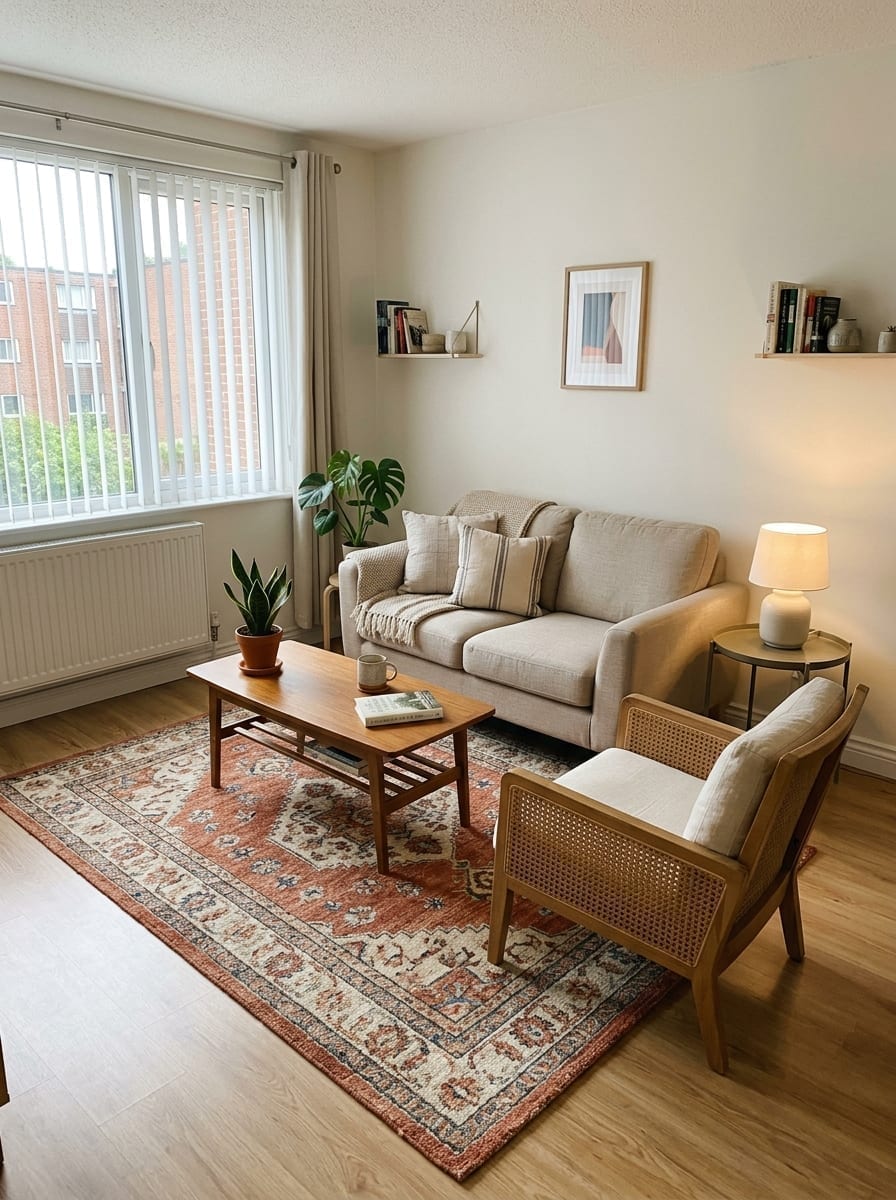
You may not be able to replace rental flooring, but you can change how much of it you see.
A properly sized area rug can cover worn carpet, cold tile, or flooring that simply does not work with your style.
It also helps define zones in open apartments.
For a living room, try to get at least the front legs of the major seating pieces onto the rug.
For bedrooms, use enough rug that you step onto something soft beside the bed.
Choose something you would happily use in your next home too.
5. Removable Wall Color Moment
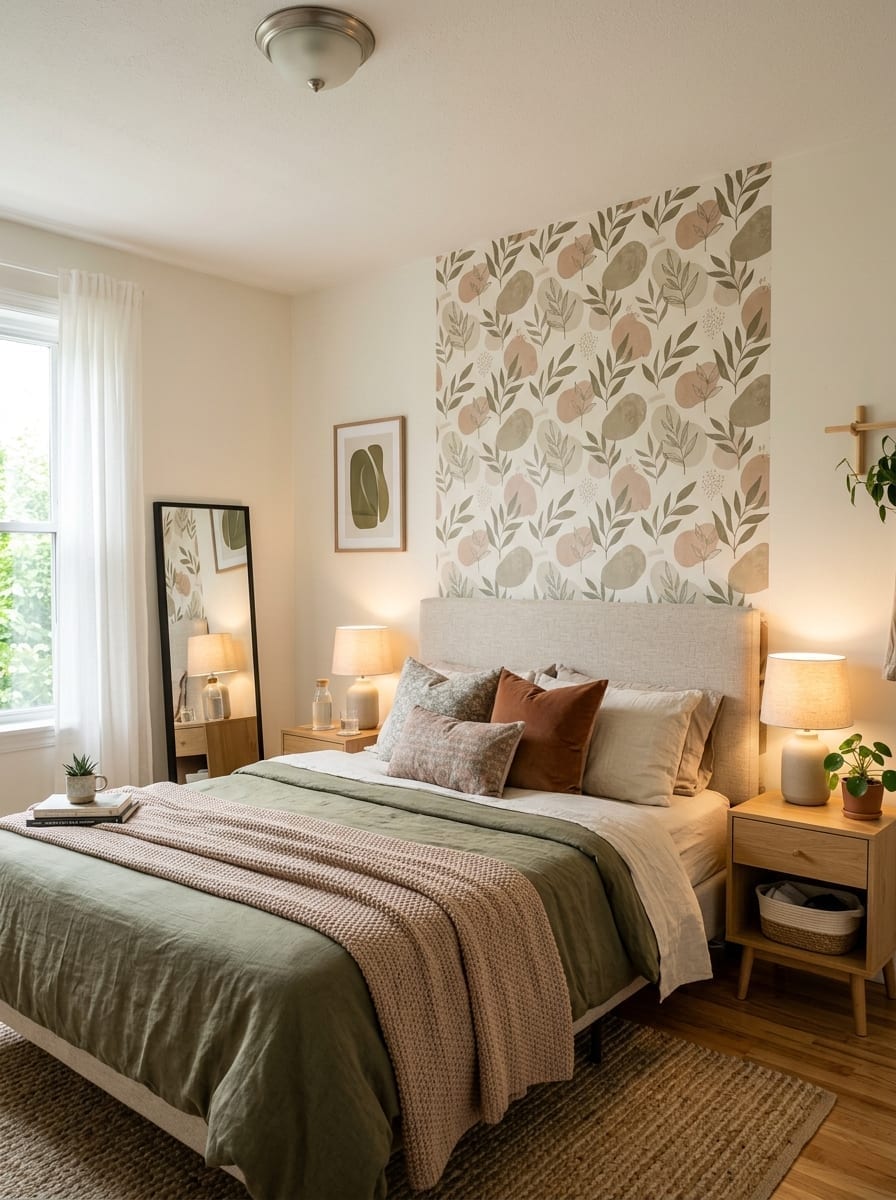
If you crave color but cannot permanently paint, you still have options.
Depending on the property rules and wall condition, removable wallpaper or renter-oriented wall treatments can create a focal area.
Use them selectively.
A single wall behind:
the bed desk dining table sofa
usually feels more intentional than trying to cover the entire apartment.
Before applying anything, test a small hidden area and follow the manufacturer’s surface and removal instructions. Some removable products can still affect weak or poorly prepared paint.
If adhesives are risky in your rental, create the same color moment using large fabric, curtains, art, or furniture.
6. Cabinet Hardware Swap
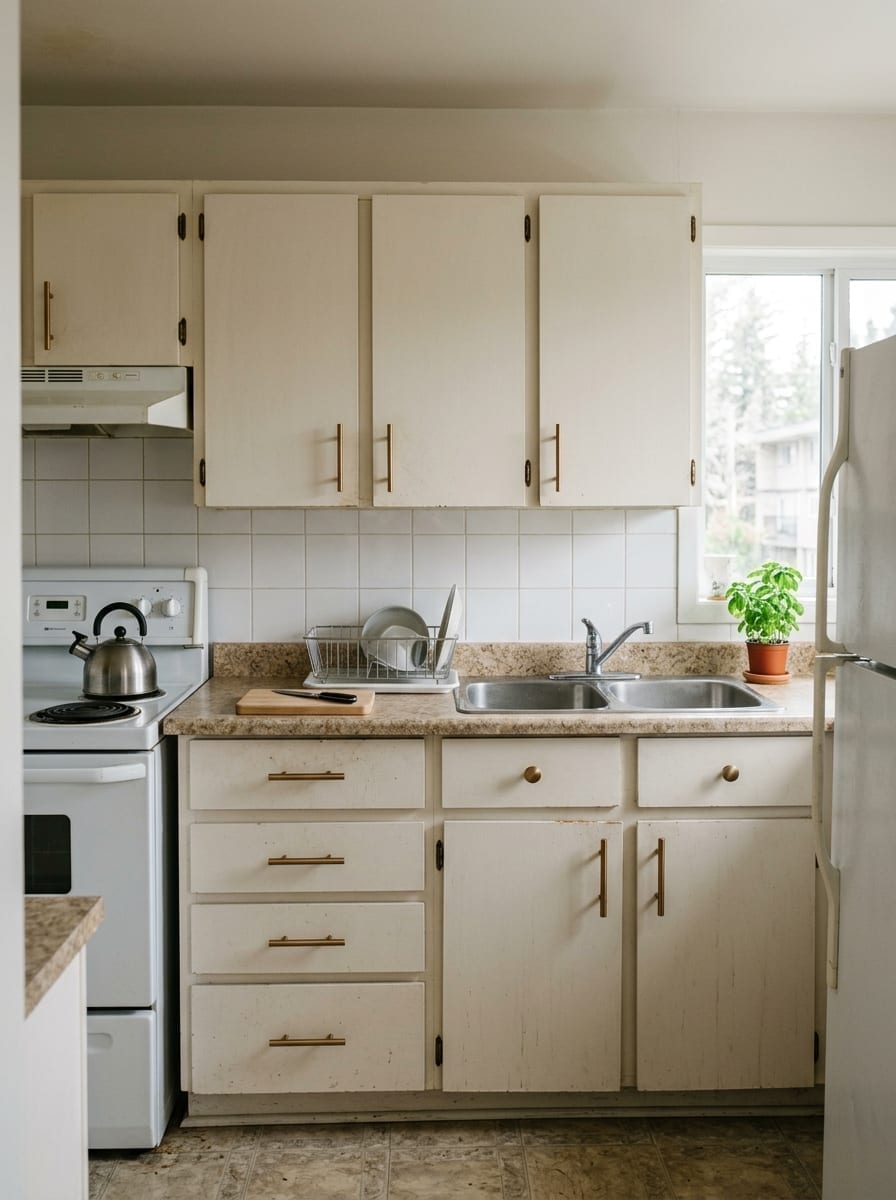
Basic cabinet knobs can make a kitchen or bathroom feel more generic than it needs to.
If your lease permits it, swapping removable knobs and pulls is a small change with a surprisingly visible effect.
Choose one simple finish such as:
brushed brass matte black warm bronze brushed nickel
Keep every original piece together in a labeled bag so you can reinstall it before moving.
Measure the existing hole spacing before buying replacement pulls.
This is one of the rare upgrades that can take only minutes but change the mood of a whole cabinet run.
7. Peel-and-Stick Backsplash Accent
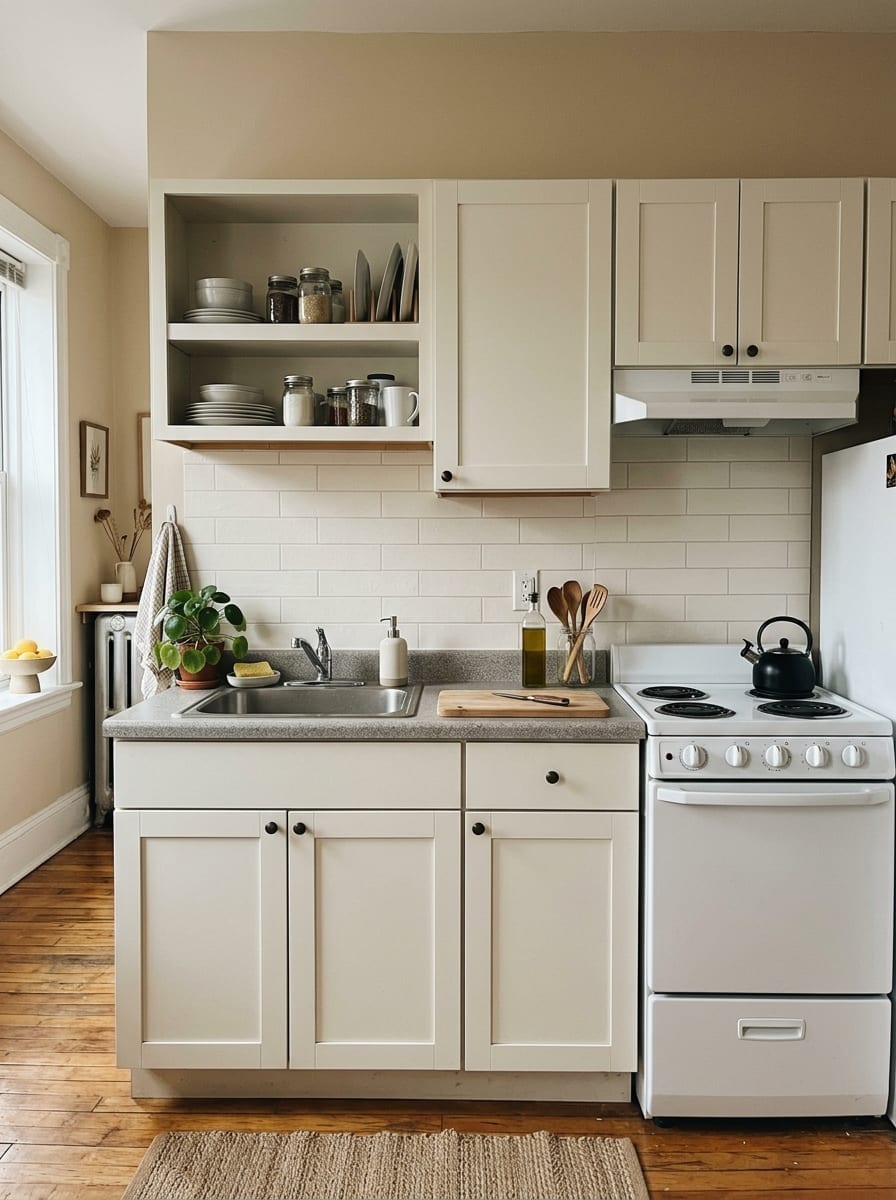
An unattractive backsplash can dominate a small rental kitchen.
A removable backsplash treatment may help if the lease, existing surface, and product instructions allow it.
The safest visual choices are usually simple:
warm white subway soft stone look muted geometric pattern understated zellige-inspired texture
Avoid something so specific that it fights every other finish in the room.
And remember that removable does not mean universally risk-free. Test first and make sure the material is appropriate near heat and moisture.
8. Furniture That Creates Built-In Character
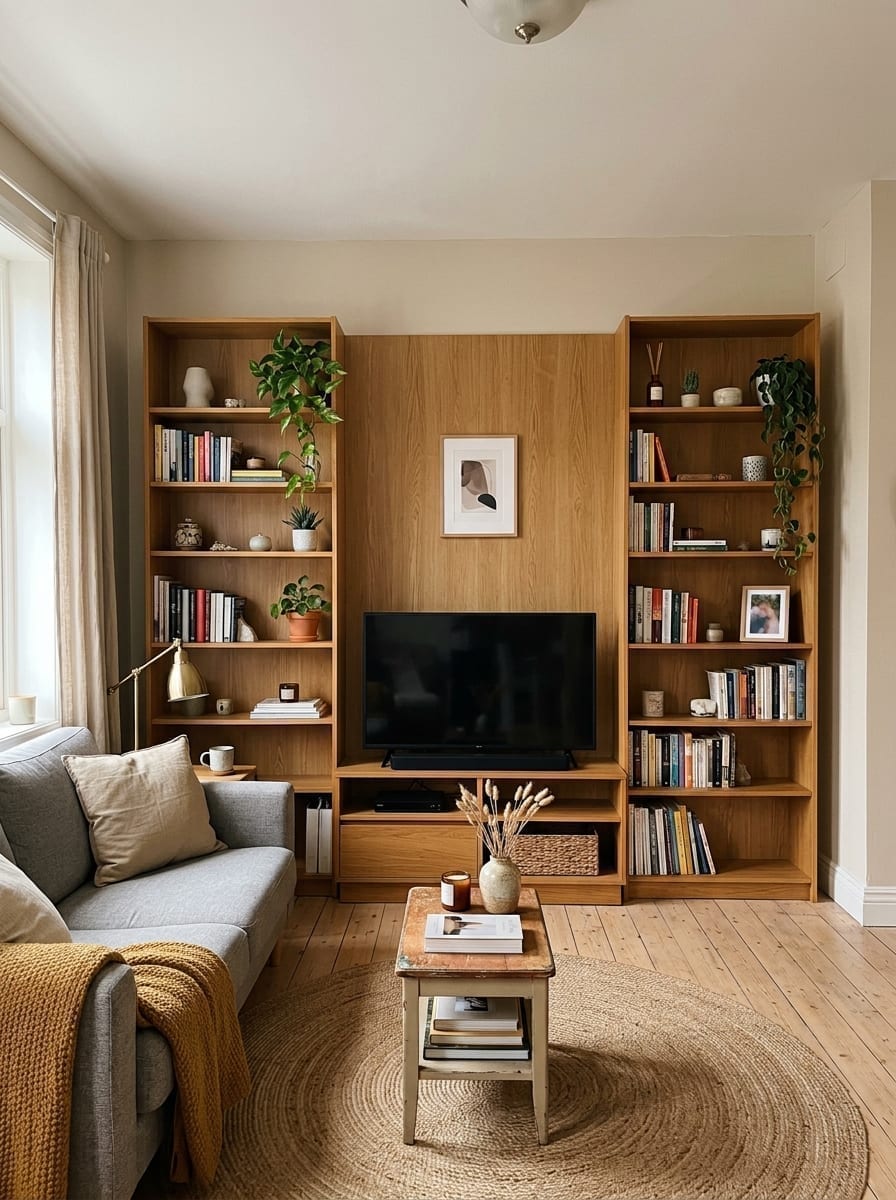
If the rental lacks architectural character, furniture can create some of it.
A tall bookcase, matching storage units, a narrow console, or a pair of cabinets can make a blank wall feel much more intentional.
The trick is choosing pieces that visually relate to one another.
For example, two matching bookcases flanking a low media console can create the feeling of a planned wall without actually installing built-ins.
You can take the entire setup with you when you move.
9. Statement Mirror Instead of Permanent Changes
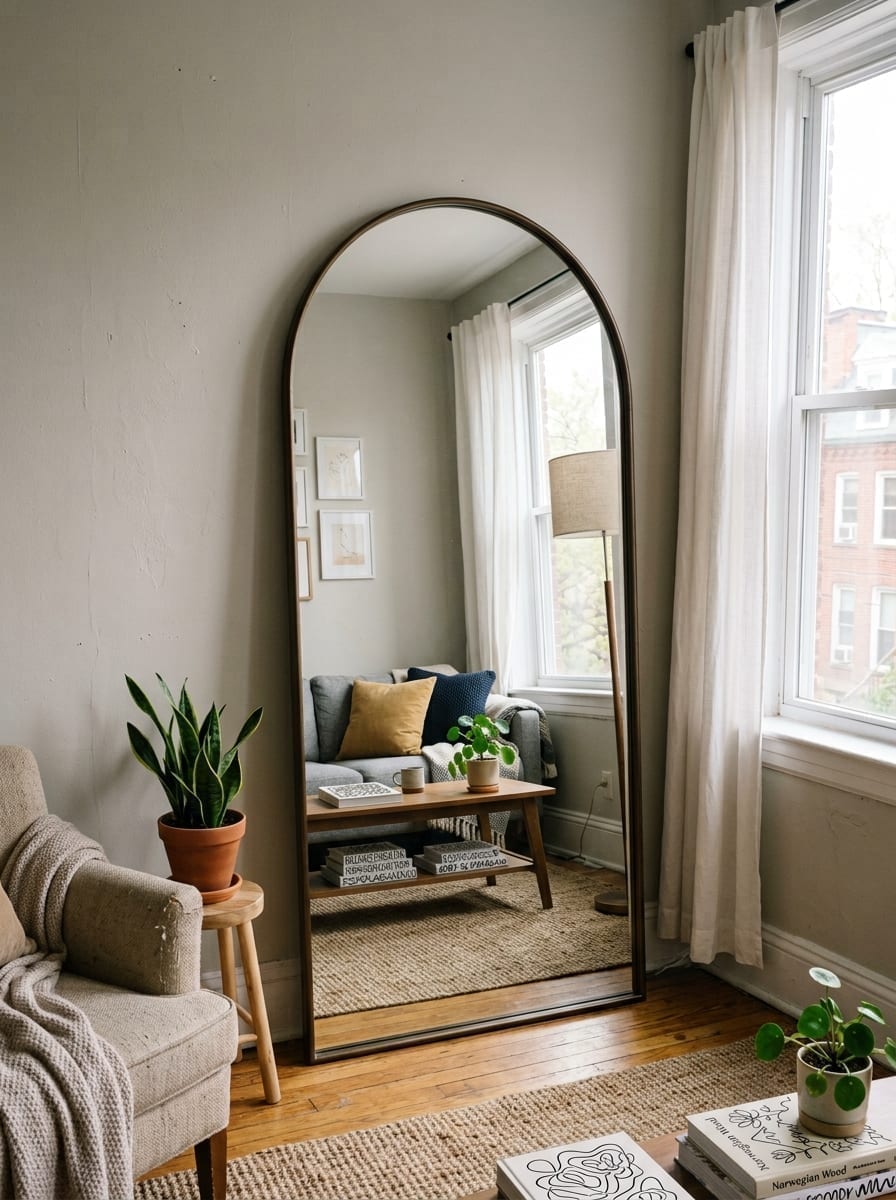
A large mirror can do the work of several smaller decor pieces.
It adds:
height reflected light depth a strong focal point
That is especially useful in an apartment where you cannot add molding, alter the walls, or change the architecture.
Place it where it reflects something worth seeing, such as a window, lamp, or calm part of the room.
Secure leaning mirrors appropriately and follow safety guidance for the specific product.
10. Rental-Friendly Entryway Drop Zone
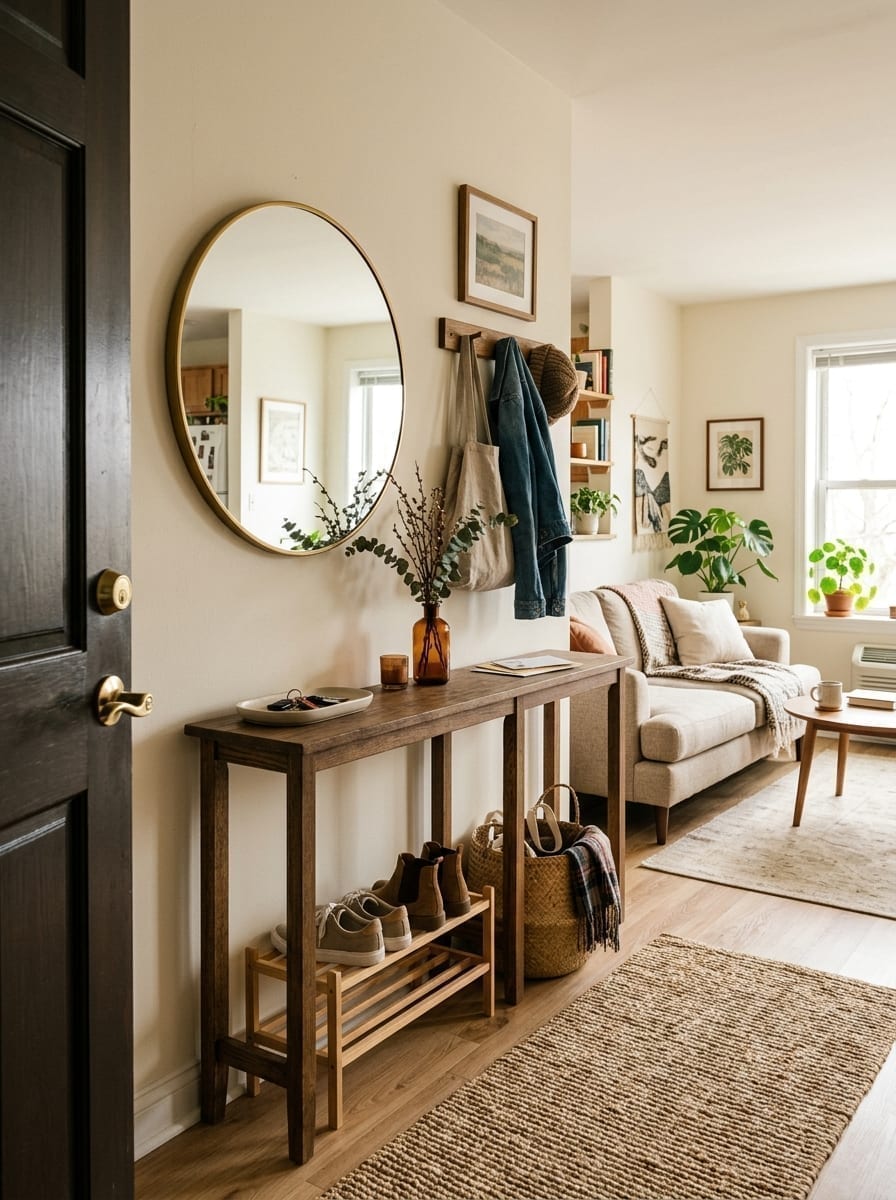
Many rentals do not have a real entryway.
The front door simply opens into the living room.
You can create the feeling of an entry using a few removable or portable pieces:
narrow console small shoe cabinet mirror tray basket hooks where permitted
Keep the footprint tight.
A clear entry zone makes the whole apartment feel more deliberate while also stopping bags, keys, and shoes from drifting into the main room.
11. Open Shelving Without a Full Renovation
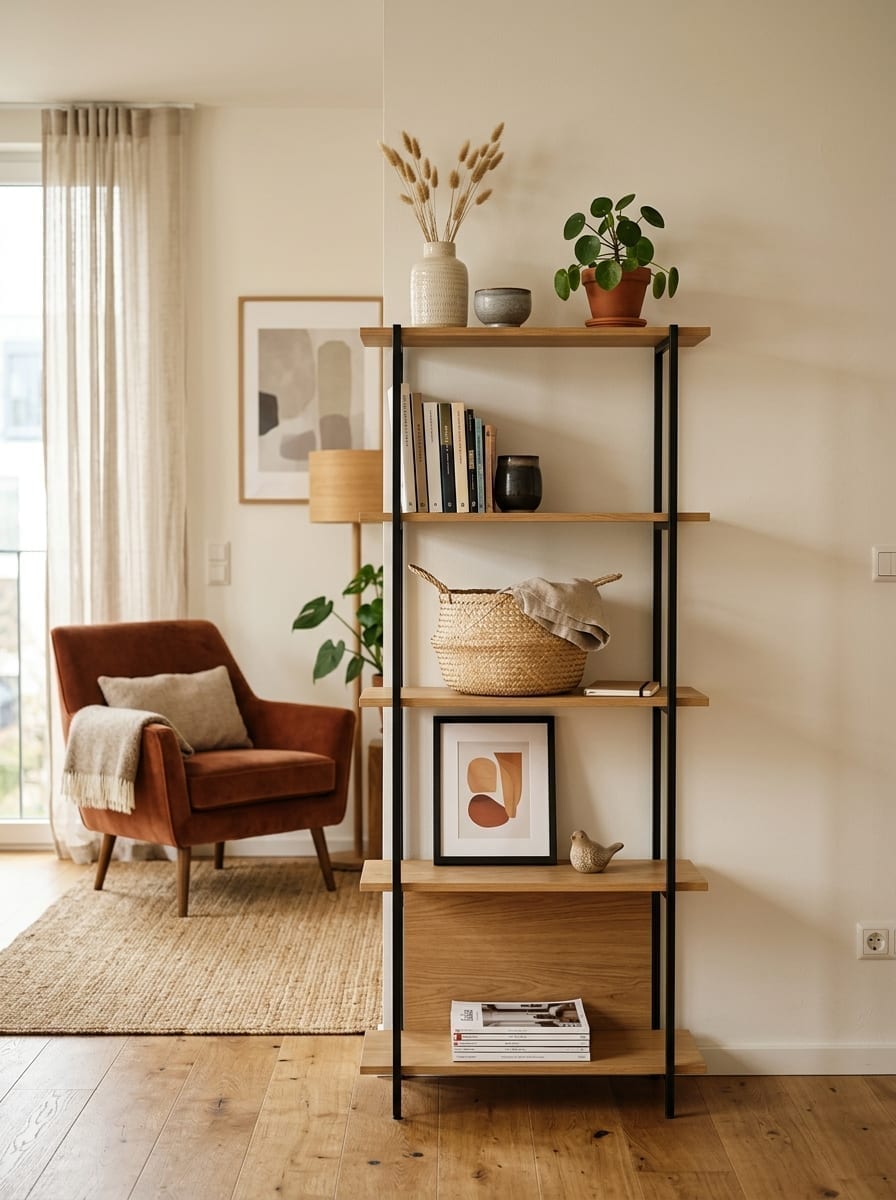
You do not need to install custom shelving to gain character and display space.
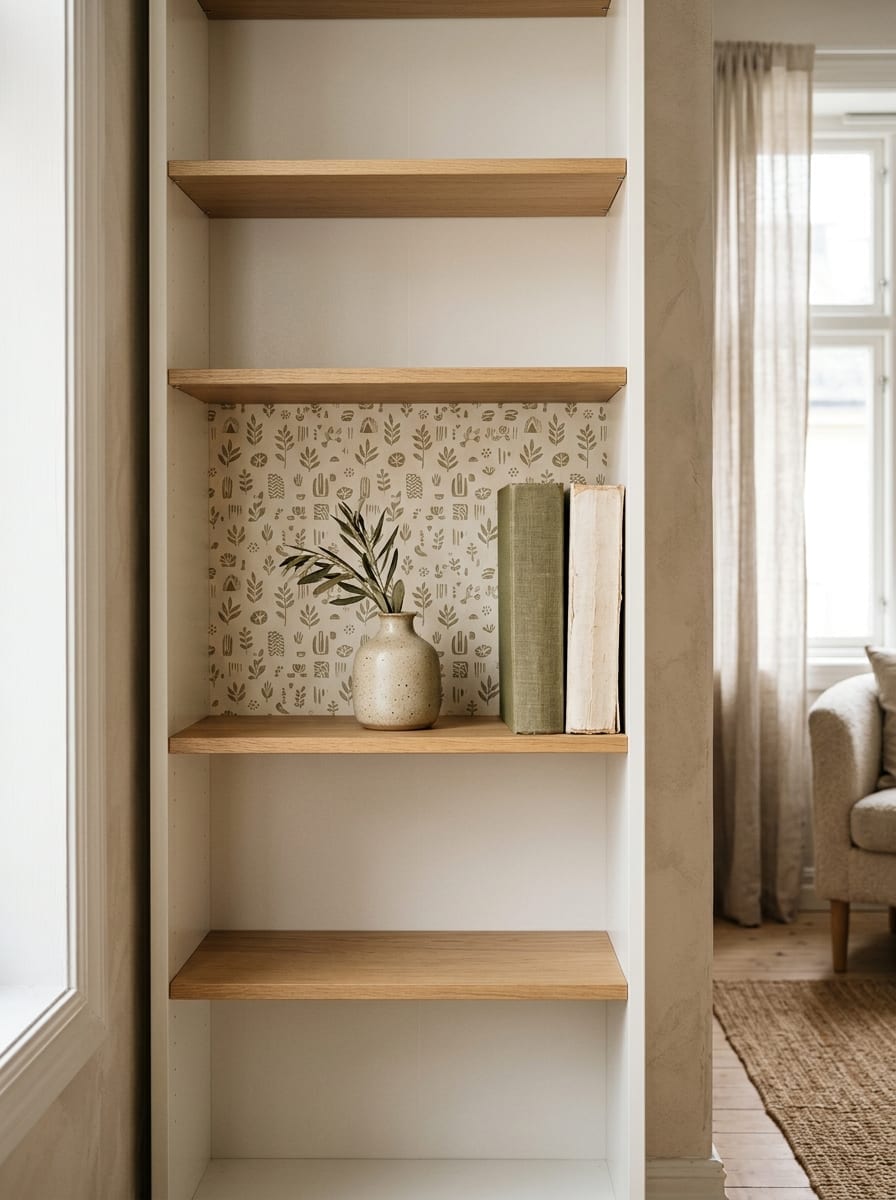
A slim freestanding shelf, ladder shelf, or small bookcase can work beautifully.
Use it for:
books ceramics framed art baskets one plant
Do not fill every inch.
Leaving open space keeps the unit from making a small rental feel crowded.
If you use tall freestanding furniture, anchor it safely according to the manufacturer’s guidance and your property’s restrictions.
12. Better-Looking Window Privacy
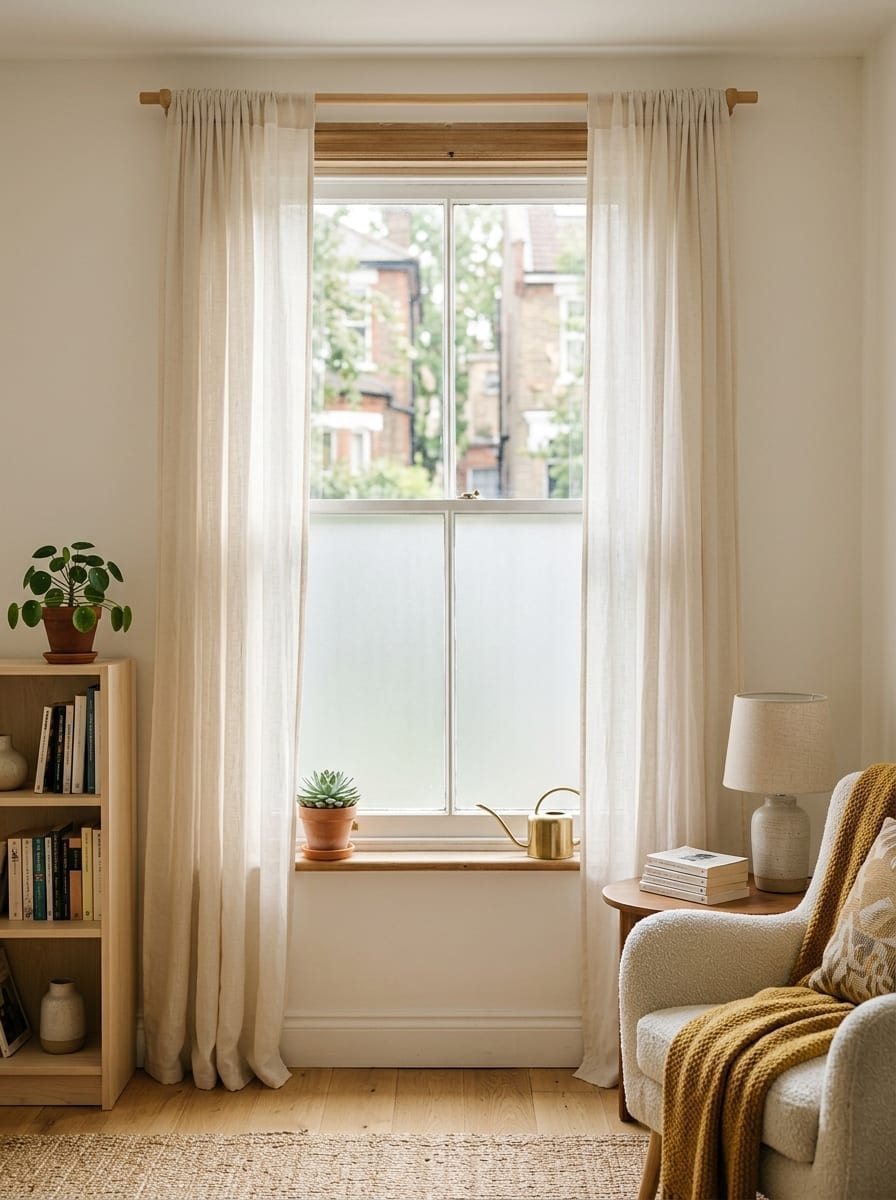
Privacy is necessary, but cheap temporary blinds can make a room feel harsher than it needs to.
Where appropriate, layer or replace visual treatments with renter-friendly options such as:
fabric curtains sheer panels removable privacy film bamboo-style shade where installation is permitted
Use sheer fabric when you want privacy without sacrificing too much daylight.
For bathroom or street-level windows, removable frosted film can sometimes provide privacy without heavy curtains.
Again, choose a product appropriate for the glass and removal conditions.
13. A Dining Nook With Its Own Identity
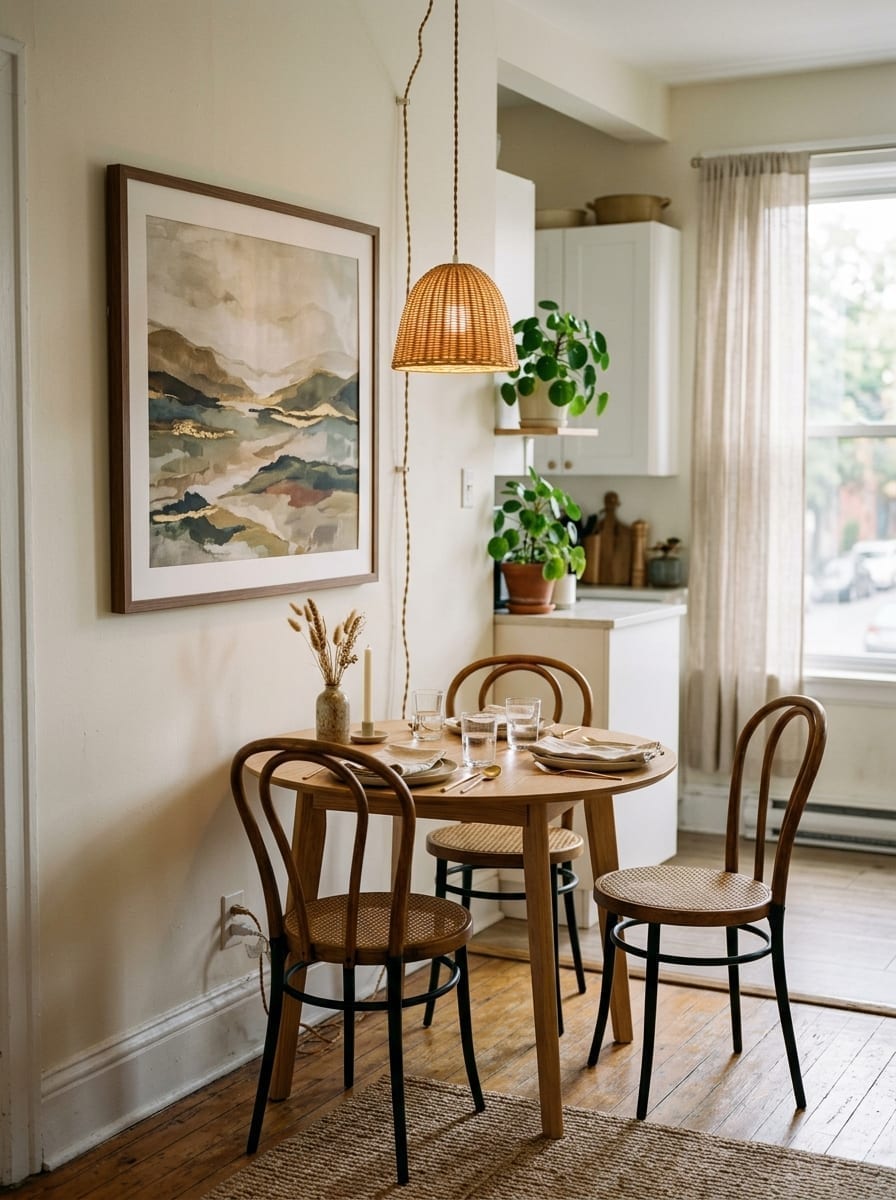
When the dining area is simply a table in the corner of the living room, it can feel accidental.
Give it one defining feature.
That could be:
a pendant-style plug-in light one large art piece small rug bench compact round table
You do not need all of them.
One clear visual anchor tells the eye that this is a deliberate dining zone.
This works especially well in open rentals where rooms blend together.
14. Soft Furnishings That Carry the Color Story
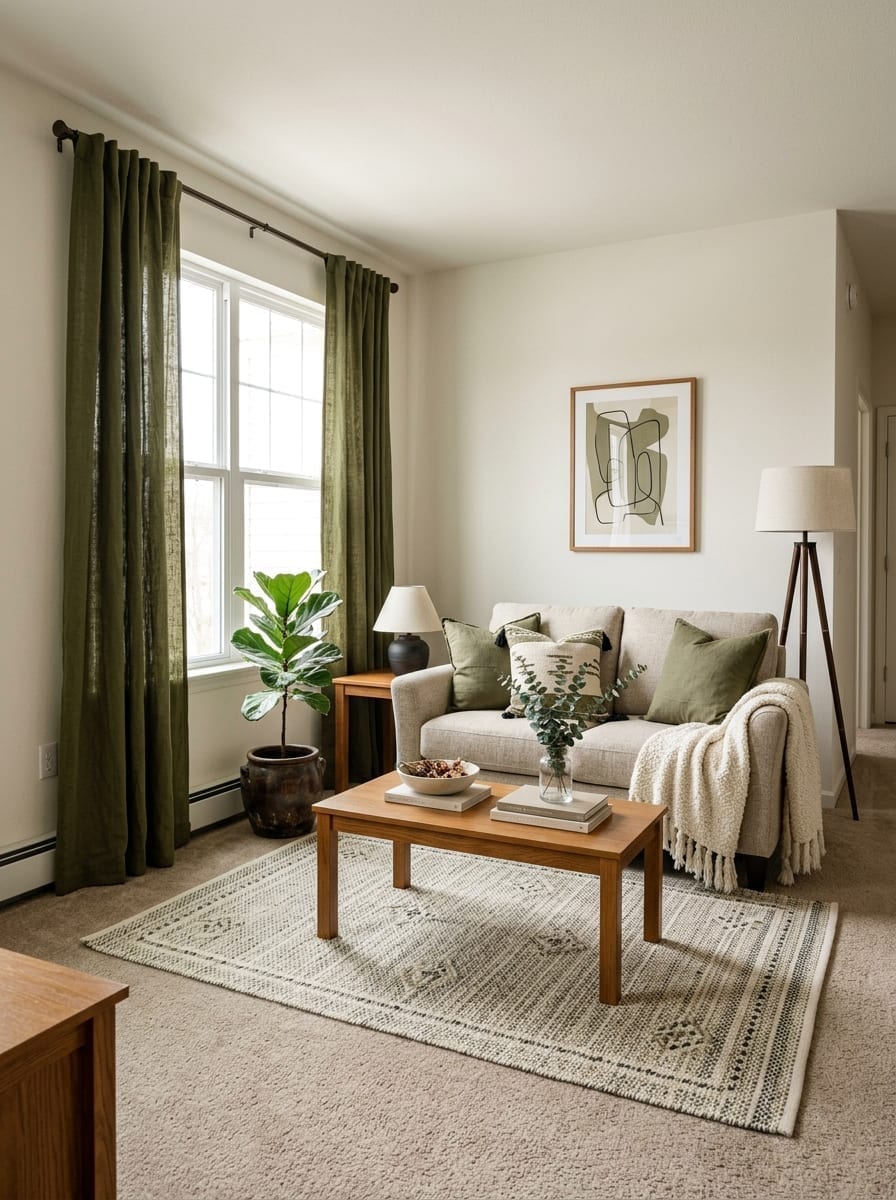
If the walls and flooring cannot change, textiles become your easiest way to control the palette.
Repeat a few related colors through:
curtains pillows throw rug bedding towels
You do not need matching sets.
The colors simply need to feel connected.
For example:
cream + olive + warm wood
or:
taupe + rust + charcoal
or:
warm white + faded blue + walnut
Because textiles belong to you, the money does not stay behind when you move.
15. Freestanding Kitchen Storage That Looks Intentional
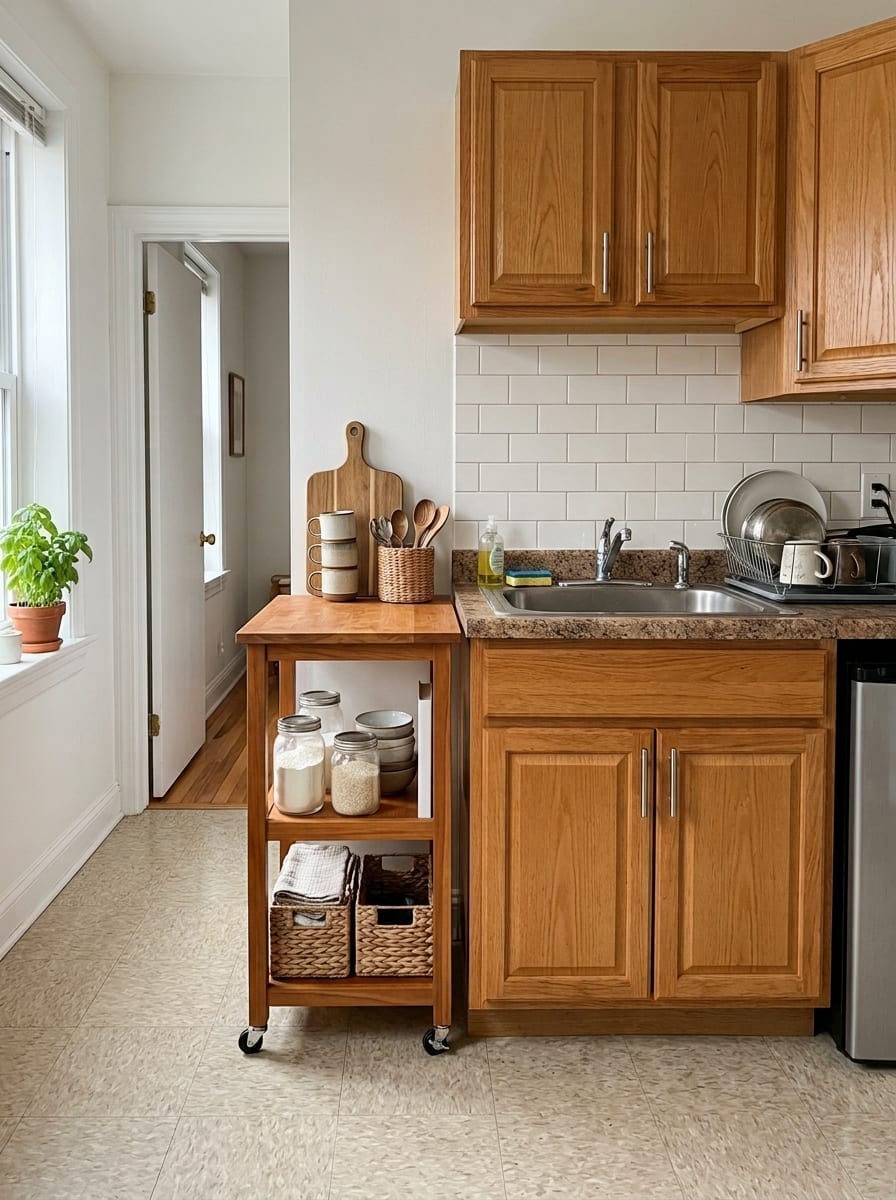
Rental kitchens often lack storage, but adding random shelves and carts can make them feel even more cluttered.
If you need freestanding storage, choose one piece that looks like furniture.
A narrow kitchen cart, small hutch, or slim pantry cabinet can provide space for:
dry goods dishes appliances cookbooks coffee supplies
Try to match its visual weight to the kitchen.
A massive cabinet in a tiny galley will solve one problem while creating another.
16. Bathroom Upgrades You Can Take With You
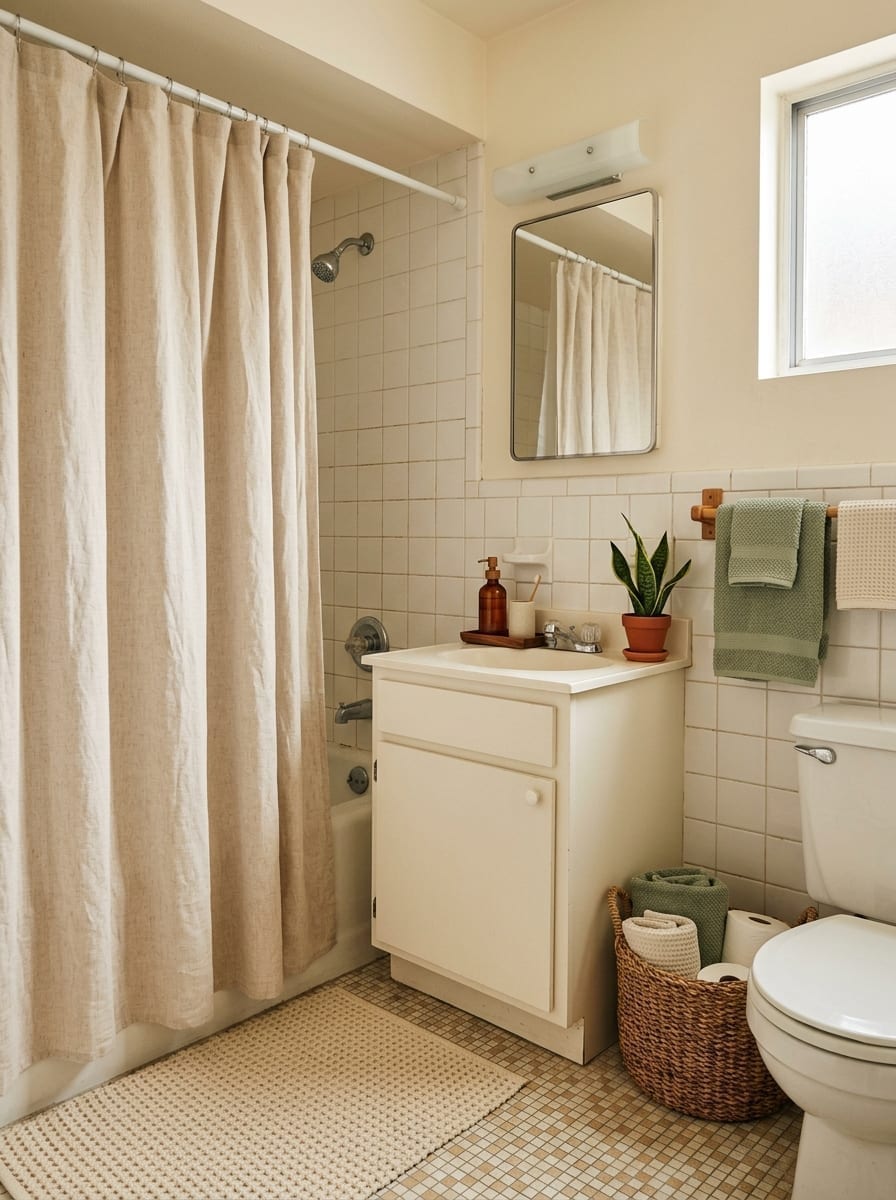
You probably cannot change the rental bathroom tile or vanity.
But you can control almost everything soft or removable around them.
Focus on:
shower curtain bath mat towels mirror if removable countertop tray
storage baskets
lighting where appropriate portable shelving
These items can dramatically change how the room feels without pretending the builder-grade finishes are not there.
Keep the palette controlled so the bathroom feels calmer.
17. Plants and Natural Texture for Builder-Grade Rooms
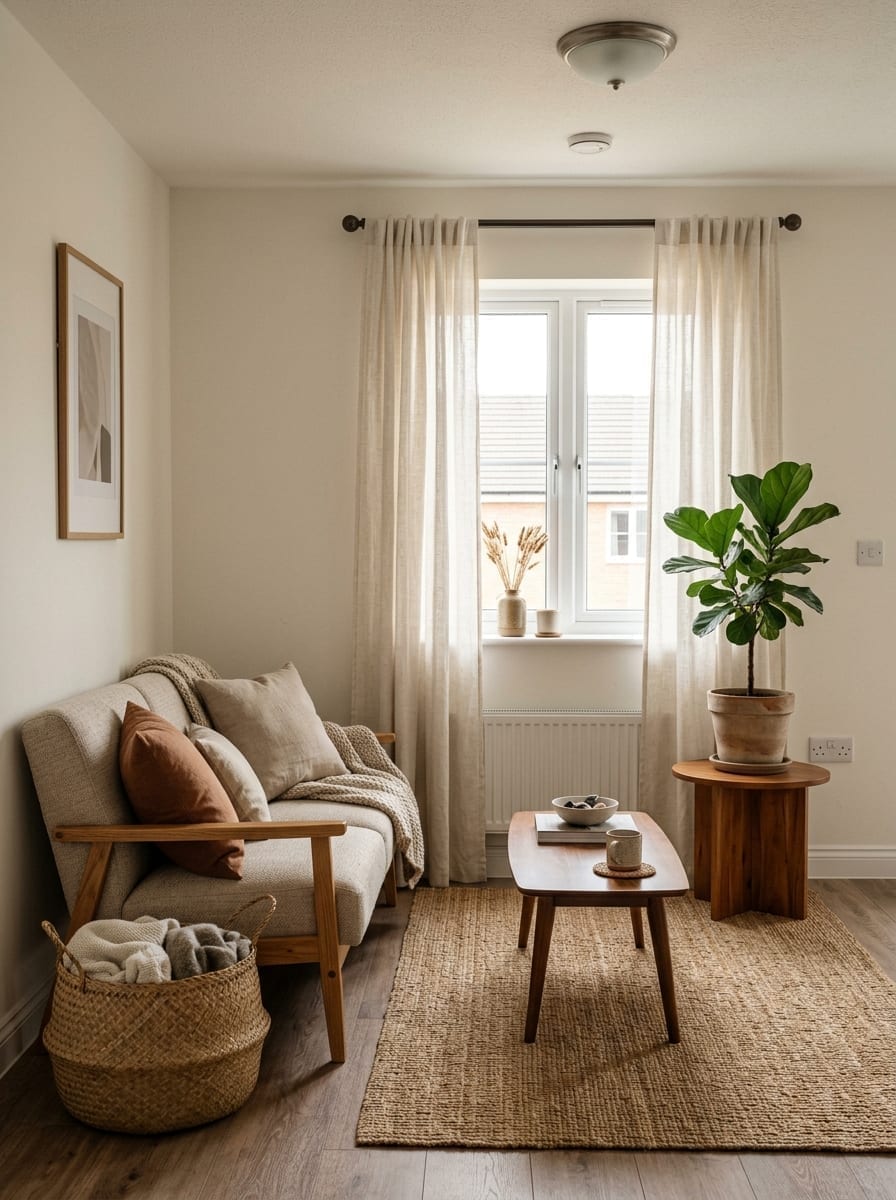
Generic rentals often contain a lot of flat surfaces:
white walls laminate metal basic cabinetry plain tile
Natural materials help soften that.
Try a restrained mix of:
wood woven baskets linen ceramic greenery
One medium plant can be more effective than small plants scattered everywhere.
Choose real plants based on the actual light conditions in your apartment. If that is not realistic, one convincing faux plant can still add softness.
18. The Take-It-With-You Decorating Rule
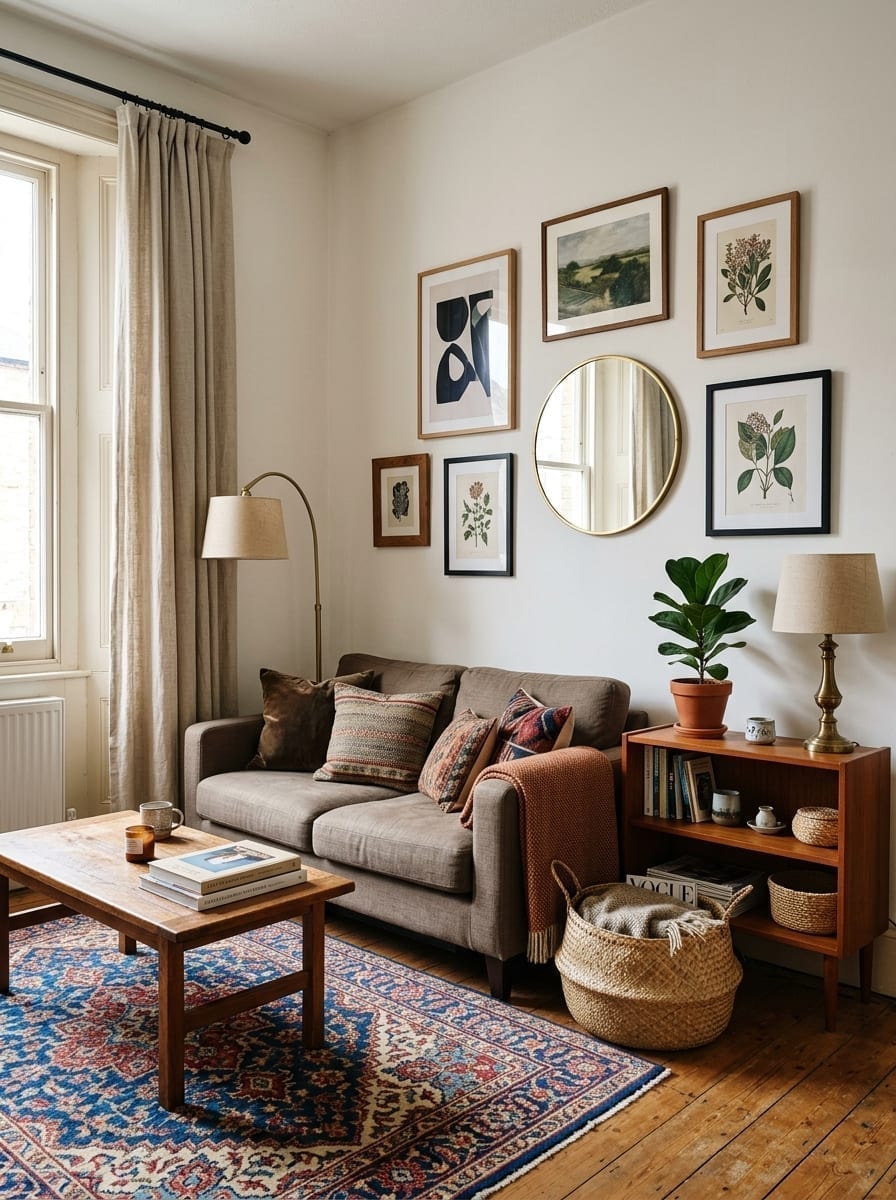
Before spending serious money on a rental, ask:
Will this improve my current home and still be useful after I move?
That question helps separate worthwhile purchases from improvements that mostly benefit the property owner.
Good portable investments might include:
lamps art mirrors rugs curtains quality bedding compact furniture
storage pieces
This does not mean you should never spend money improving a rental.
You live there now.
It just means the best purchases usually create value for your current home and your future one.
How to Make a Rental Feel Like Home Without Renovating
The biggest shift is to stop thinking only about what you cannot change.
Yes, the flooring may stay.
The kitchen cabinets may stay.
The bathroom tile may stay.
But a huge amount of what you actually see every day comes from things you control:
lighting curtains furniture textiles art storage color repetition layout
When those elements feel intentional, the fixed rental finishes become much less dominant.
What Should You Change First in a Rental?
Start with the changes that affect the largest visual area.
A useful order is:
lighting window treatments rug furniture layout large wall art textiles smaller accessories
This is usually more effective than buying decorative objects first.
A room with bad lighting and bare windows will not suddenly feel finished because you bought three candles.
What Is Worth Spending Money on in a Rental?
Prioritize items you can take with you.
A good lamp may work in three different homes.
A well-sized rug may last for years.
Quality curtains can be rehung.
Artwork always moves.
That gives you more value than putting most of your budget into highly specific temporary improvements.
Renter-Friendly Does Not Automatically Mean Damage-Free
This is worth remembering.
Products advertised as removable can behave differently depending on:
paint quality wall preparation humidity how long the product stays installed the material underneath
Always check:
your lease manufacturer instructions weight limits surface compatibility
Test adhesive products in an inconspicuous place when appropriate.
“Renter-friendly” should mean low commitment, not ignoring the property rules.
How to Keep a Rental From Looking Temporary
Avoid treating everything as disposable.
Even if you only plan to stay for a year or two, using a consistent palette and choosing a few good portable pieces can make the apartment feel genuinely finished.
Repeat:
one or two wood tones a controlled color palette similar metals a few recurring textures
That visual consistency makes ordinary rental rooms feel much more deliberate.
What to Avoid
Trying to cover every imperfect finish
Sometimes the better answer is to work around it rather than drawing more attention to it.
Buying furniture specifically for one awkward rental
Unless it is inexpensive or genuinely useful elsewhere, think about whether it can survive your next move.
Too many tiny temporary fixes
Ten little hacks can make a room feel more improvised than one strong decorating decision.
Permanent changes without permission
A Pinterest idea is not worth a lease dispute or losing part of a deposit.
Buying decor before fixing the lighting and layout
Those two changes usually have much more impact.
Where to Start
Choose the room that currently feels the least like yours.
Do not redesign everything.
Pick the biggest issue.
If it feels cold, improve the lighting and textiles.
If it feels empty, add one large focal point.
If it feels generic, introduce a stronger color story.
If it feels messy, add closed storage.
Then live with that change before adding more.
A rental does not have to pretend it is a forever home to feel personal.
It just needs enough of your choices layered over the things you cannot change.